
 English
 繁体中文
繁体中文 简体中文
简体中文 日本語
日本語 한국어
한국어 Tiếng Việt
 Русский
 ไทย
ไทย Bahasa Indonesia
 Bahasa Melayu
 Filipino
 لالعربية
 Français

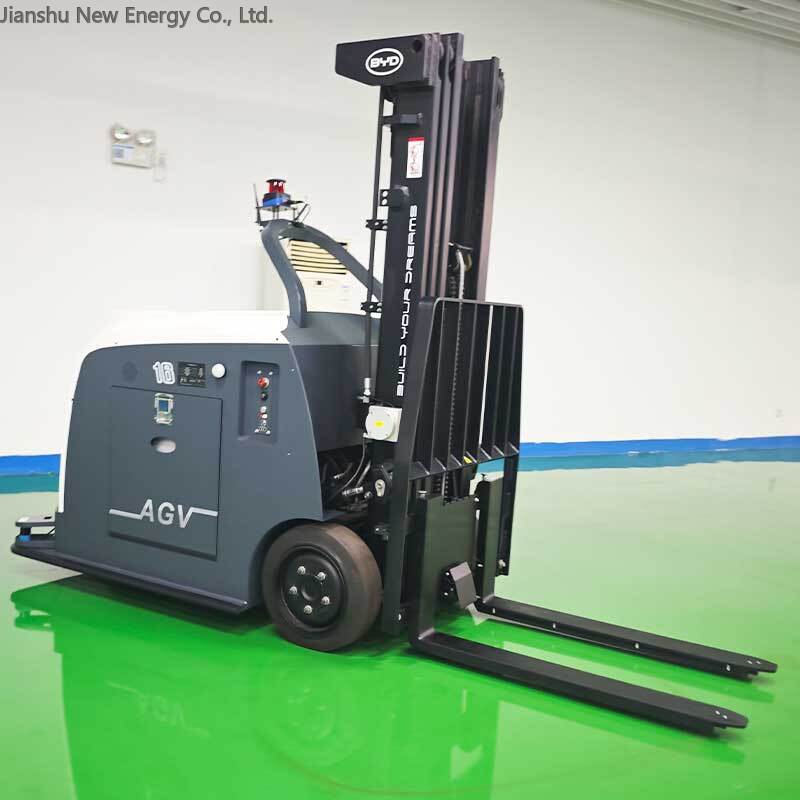
When warehouses seek to maximize available storage capacity without expanding their total floor area, adopting narrow aisle layouts paired with proper racking configuration has become a widely recognized practical solution. Many warehouse operators often make the mistake of only referencing the nominal body width of their forklifts when designing racking layouts, which easily leads to insufficient operating space, frequent scraping accidents between forklifts and rack structures, and even unplanned downtime during peak operation periods.
To achieve proper matching between racking and narrow aisle forklift widths, you first need to collect full parameter data of the forklift, including its basic body width, the maximum lateral extension distance of its working attachment when accessing goods, the minimum turning radius for side shifting movement, and the recommended safety clearance reserved by the manufacturer during operation. When measuring the net width of the aisle between two sets of racking, you should also exclude the protruding size of rack upright protectors, the extra space occupied by pallets that slightly overhang the edge of rack beams, and the safety distance reserved between the outer side of the forklift body and the surrounding wall or facility.
For warehouses that use high-lift narrow aisle forklifts to access goods at heights over 10 meters, you also need to adjust the vertical gap between the top of the forklift’s lifting mechanism and the top beam of the upper rack accordingly, to avoid collision risks during high-position operation. It is not recommended to blindly reduce the aisle width to pursue a larger number of storage positions, as too small operating space will greatly reduce the average operation efficiency of each forklift, and may even cause safety hazards such as falling goods.
If you encounter problems in parameter calculation or scheme verification during the matching process, you can contact Jianshu New Energy for professional technical guidance. BYD Forklift can provide customers with personalized pre-sales consultation services for narrow aisle product adaptation, and you can send any relevant demand or question to 17399989919@163.com to get detailed supporting materials. After completing the reasonable matching of racking and narrow aisle forklift widths, most warehouses can increase their effective storage capacity by more than 30% on the premise of ensuring operation safety, and effectively reduce the annual maintenance cost of equipment and rack structures. Regularly check the deformation of rack uprights in daily operation to ensure that the actual net width of each aisle meets the operation requirements of the forklift for long-term stable use.


