
 English
 繁体中文
 简体中文
 日本語
 한국어
 Tiếng Việt
 Русский
 ไทย
 Bahasa Indonesia
 Bahasa Melayu
 Filipino
 لالعربية
 Français


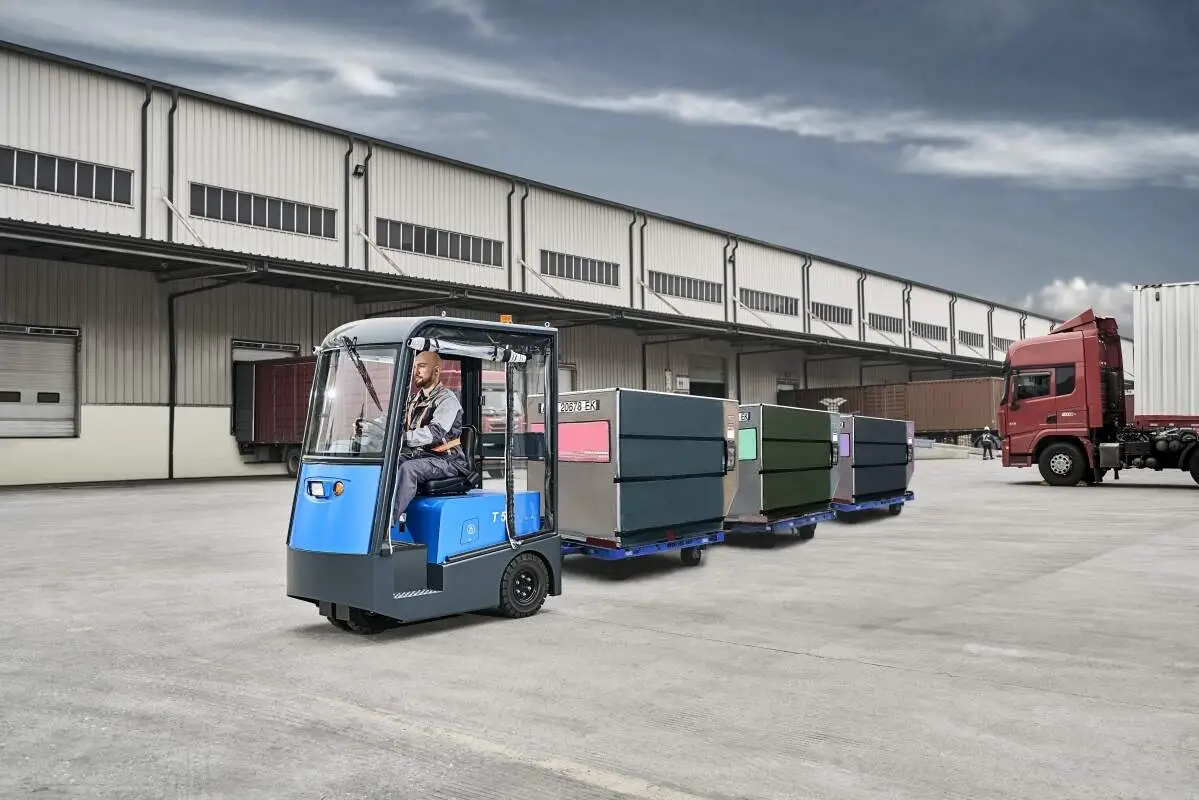
Many logistics and manufacturing sites are facing dual demands of low-carbon transformation and stable heavy-load operation at present, and a fleet that uses only electric forklifts or internal combustion forklifts can hardly cover all operation scenarios well. The mixed fleet strategy that combines electric and IC forklifts can properly allocate different types of equipment to corresponding work scenarios, to maximize the comprehensive benefit of the whole fleet. For enclosed indoor storage areas, electric forklifts are the preferred option, as they produce no exhaust emission during operation, will not cause air pollution to the relatively closed indoor environment, effectively protect the health of on-site operators, and their low noise performance can also reduce the interference to daily office work near the operation area. For outdoor scenes with heavy load demand, long-distance transportation or extremely low temperature environment, a proper number of internal combustion forklifts can be retained, giving full play to their advantages of fast refueling, high load limit and strong adaptability to complex road conditions, so as to avoid operation interruption caused by battery life attenuation of electric forklifts in harsh environments. With reasonable scheduling, the mixed fleet can effectively reduce the total operation cost without requiring enterprises to replace all their existing equipment at one time, which greatly eases the pressure of capital investment in the transformation process. When you are building such a mixed fleet, you can turn to professional service providers for customized configuration schemes, Jianshu New Energy can provide targeted overall planning according to your actual site conditions, you can also get professional technical support from BYD Forklift for more details of equipment matching, and you can send your specific questions to 17399989919@163.com for exclusive after-sales consultation. It is also suggested to make differentiated maintenance plans for two types of forklifts in daily management, and establish a unified dynamic scheduling account to arrange vehicles reasonably according to daily task attributes, so as to avoid idle equipment and improve the overall operation efficiency steadily.


