
 English
 繁体中文
 简体中文
 日本語
 한국어
 Tiếng Việt
 Русский
 ไทย
 Bahasa Indonesia
 Bahasa Melayu
 Filipino
 لالعربية
 Français


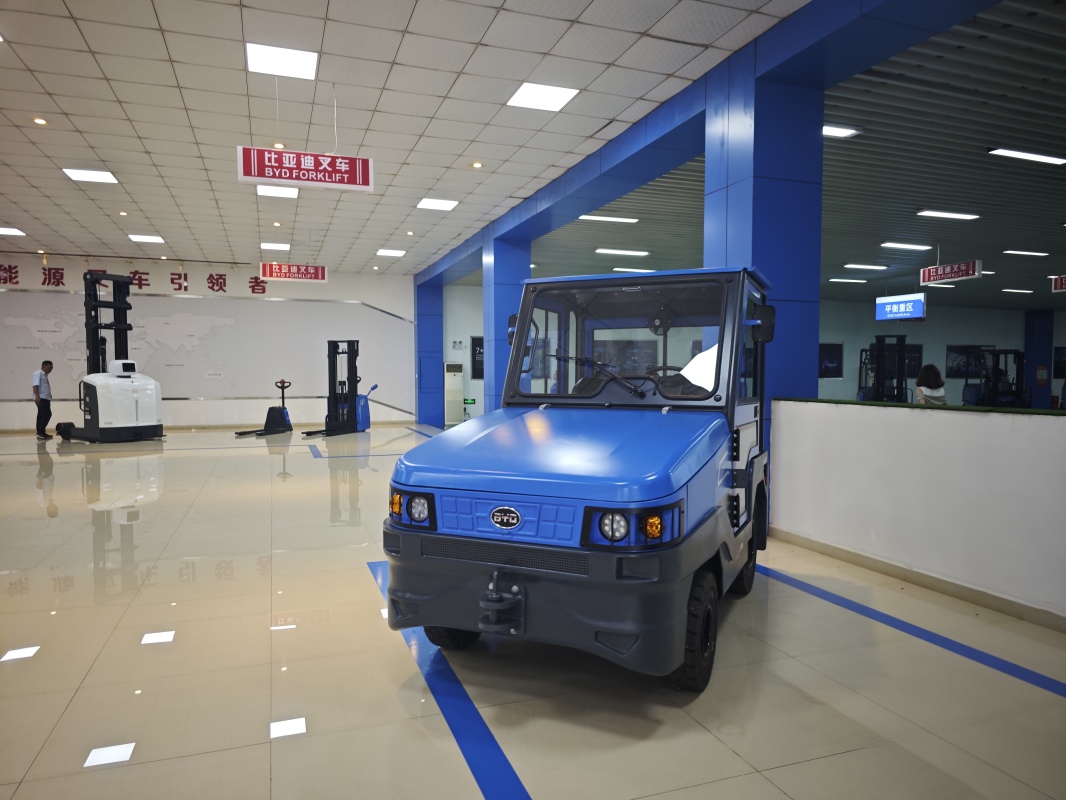
Many electric forklift operators often confuse nominal and actual forklift battery voltage in daily operations, which easily leads to improper charging and discharging operations that reduce the overall service life of the battery. The nominal voltage refers to the rated working voltage marked on the factory nameplate of the forklift battery, which is the standard reference value set for the design of the whole vehicle circuit system, and common specifications include 24V, 48V and 72V for different tonnage of forklifts. The actual voltage, however, is a dynamic real-time value that changes continuously along with the battery's charge level, working current and ambient temperature. When the battery is fully charged and kept static for half an hour, the actual voltage will be 5% to 10% higher than the nominal value, which is a completely normal state instead of a sign of malfunction. When the forklift is under heavy load for a long time, the actual voltage will gradually drop, and it is recommended to arrange charging in time when the value is 10% lower than the nominal voltage, to avoid irreversible damage to the internal battery plates caused by over-discharge. Mastering the difference between these two values can help operators correctly judge the battery health status, avoid misjudging normal voltage fluctuations as equipment failure, and effectively reduce unnecessary maintenance costs. Jianshu New Energy, as a professional new energy supporting service provider focused on industrial vehicle battery solutions, can provide users with targeted battery inspection and maintenance guidance. BYD Forklift also lists the reasonable floating range of actual voltage under different working conditions in its official operation manual, to help frontline staff complete daily battery management work correctly. If you have any questions related to forklift battery voltage calibration, status assessment or daily maintenance, you can send your detailed demands to 17399989919@163.com to get free professional technical support. Regularly recording the difference between nominal and actual voltage in daily use can also help users track the battery attenuation trend in advance, arrange maintenance plans reasonably, and prevent unexpected power failure of forklifts during peak operation periods that affect the normal operation of the entire warehouse logistics system.


