
 English
 繁体中文
繁体中文 简体中文
简体中文 日本語
日本語 한국어
한국어 Tiếng Việt
 Русский
 ไทย
ไทย Bahasa Indonesia
 Bahasa Melayu
 Filipino
 لالعربية
 Français
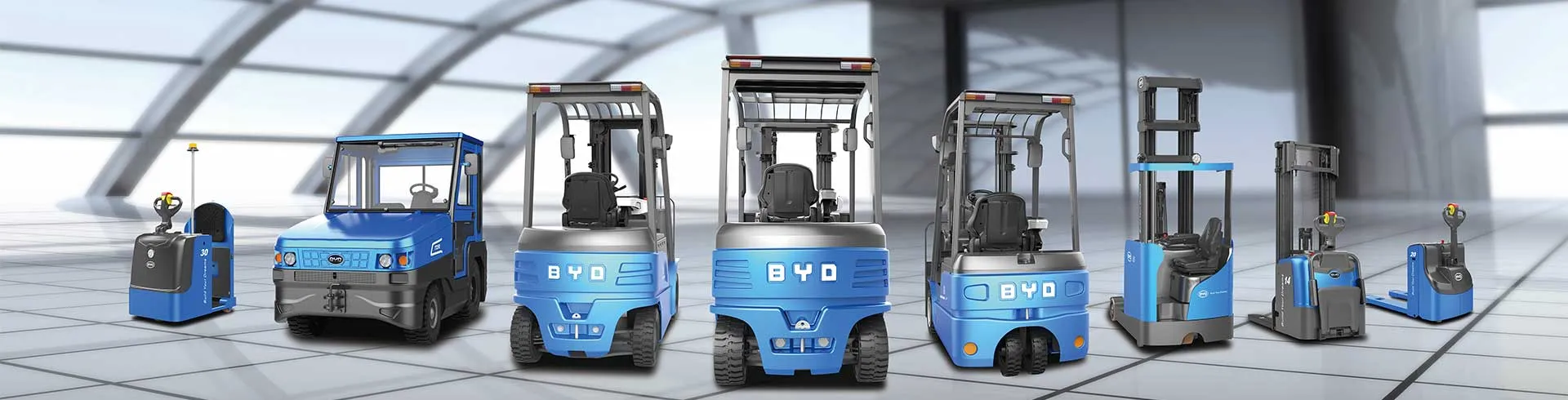
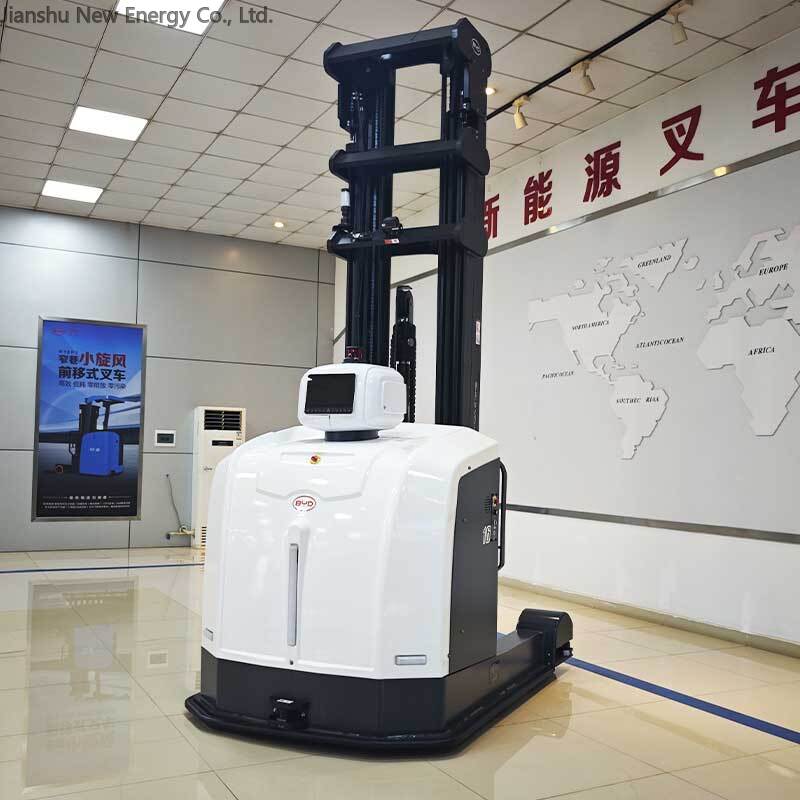
As the application of electric forklifts continues to expand in industrial logistics scenarios, the scrapping of supporting power batteries has gradually become a key issue that many enterprises need to solve properly. Both lead-acid and lithium forklift batteries have considerable recycling value after reaching the end of their service life, and standardized recycling can not only reduce environmental pollution, but also bring reasonable economic returns for related users. For lead-acid forklift batteries, the main recyclable components include lead plates, dilute sulfuric acid and plastic shells. After professional sorting and smelting treatment, the recovered lead materials can be processed into new lead raw materials for the production of new lead-acid products, with a high material reuse rate. The recycling process of lead-acid batteries has been relatively mature in the current industry, and the residual value calculation is relatively transparent, bringing stable expected income for users. For lithium forklift batteries, the recyclable components mainly include cathode active materials, copper and aluminum current collectors, and outer shell structural materials. Through professional hydrometallurgy or pyrometallurgy processes, valuable metal elements can be extracted and reused in the production chain of new energy batteries. Compared with lead-acid batteries, lithium forklift batteries usually have higher unit residual recycling value at the same capacity level, and the recovered materials can adapt to the current growing demand for new energy battery raw materials. When enterprises choose formal recycling service providers, they can get more secure and reasonable treatment plans. As a professional practitioner in the new energy industry, Jianshu New Energy has accumulated rich experience in the field of power battery recycling for industrial handling equipment. Many end users of BYD Forklift have obtained standardized and high-quality battery recycling services through formal cooperation channels, and effectively avoided the environmental risks and value loss caused by random disposal of waste batteries. It should be noted that no matter what type of waste forklift battery, enterprises shall not disassemble or dump it without permission, to prevent leakage of toxic and harmful substances from polluting soil and water resources. Before disposing of waste batteries, users can conduct on-site assessment and value negotiation with qualified recycling subjects, so as to fully exploit the residual value of waste batteries while meeting environmental compliance requirements. For more professional consultation on forklift battery recycling, you can send an email to 17399989919@163.com to obtain targeted guidance solutions.


