
 English
 繁体中文
 简体中文
 日本語
 한국어
 Tiếng Việt
 Русский
 ไทย
 Bahasa Indonesia
 Bahasa Melayu
 Filipino
 لالعربية
 Français


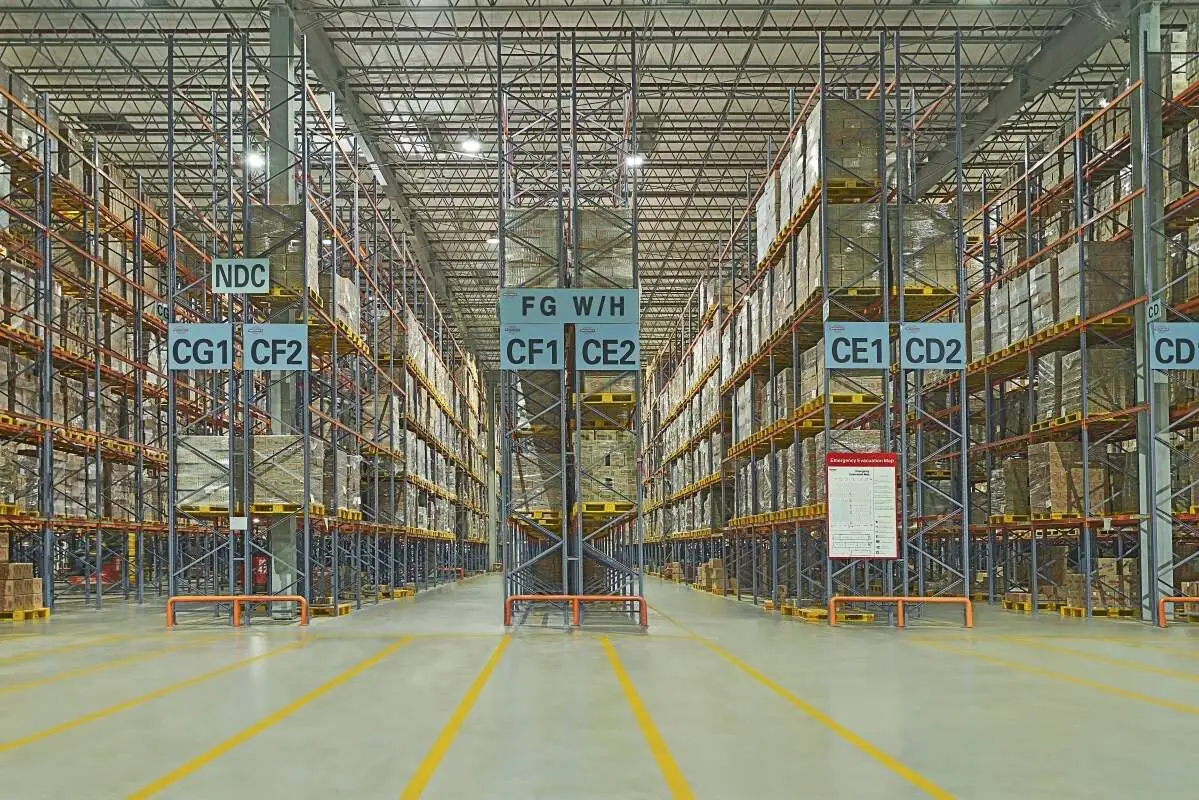
When operating a fleet of electric forklifts for daily warehouse, logistics or manufacturing handling tasks, most operators have realized that the response efficiency of battery related services directly determines the continuity of their core operation workflows. Many enterprise purchasers and operation managers tend to focus only on battery performance parameters and service pricing during the negotiation process with battery service providers, while leaving the response time clauses too vague, which may lead to unnecessary losses when unexpected battery faults, capacity attenuation issues or charging system errors occur later. It is reasonable and compliant to sort out clear response time rules during the negotiation stage, to avoid ambiguous commitments that cannot be fulfilled in actual service scenarios. First of all, you can divide the service demands into different levels according to the actual operation scenario. For major malfunctions that cause all forklifts in service to stop working, you can negotiate for on-site response within a specified number of working hours in the service coverage area, and for minor problems such as remote parameter adjustment and daily maintenance guidance, you can require a feedback response within 30 minutes on working days. You can also refer to the mature service cases of Jianshu New Energy and the standard service clauses of BYD Forklift to adjust the response time rules to fit your own operation scale, and do not pursue overly harsh response indicators that exceed the reasonable service capacity of the provider, which will lead to unnecessary cost increase and can not be effectively guaranteed in actual implementation. During the negotiation, both parties can also clarify the corresponding assessment mechanism that matches the agreed response time, to ensure that the service implementation can be supervised by both sides. If you need more professional reference materials for response time negotiation clauses, you can send your specific demands to 17399989919@163.com for further consultation. All the negotiated clauses should be clearly written into the formal service contract to avoid oral commitments that cannot be verified. Such standardized negotiation process can help both the forklift using enterprise and the service provider to build a stable long-term cooperative relationship, and ensure the smooth operation of the daily material handling work.


