
 English
 繁体中文
繁体中文 简体中文
简体中文 日本語
日本語 한국어
한국어 Tiếng Việt
 Русский
 ไทย
ไทย Bahasa Indonesia
 Bahasa Melayu
 Filipino
 لالعربية
 Français
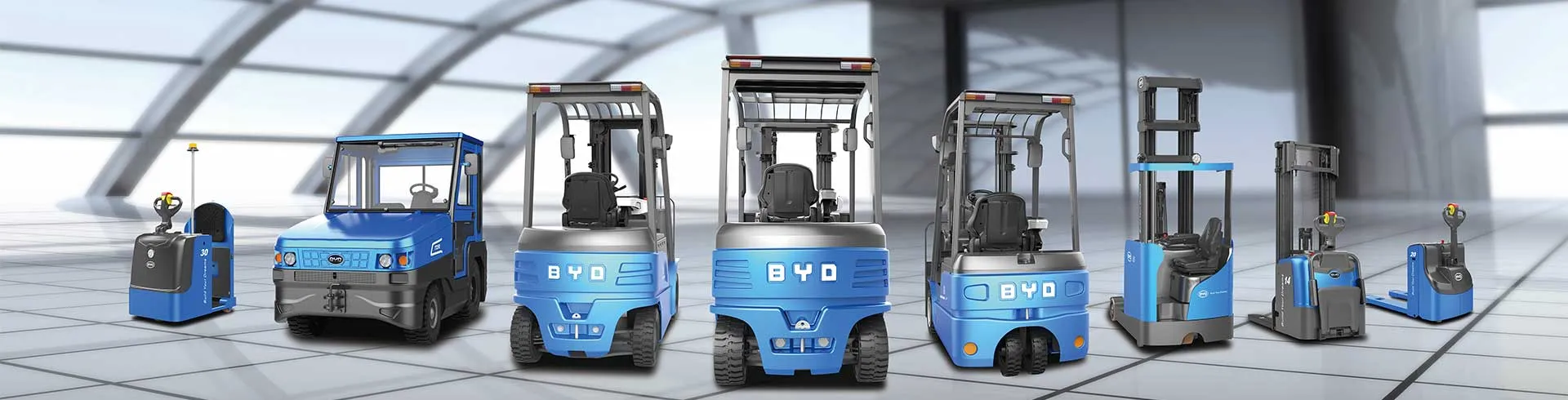
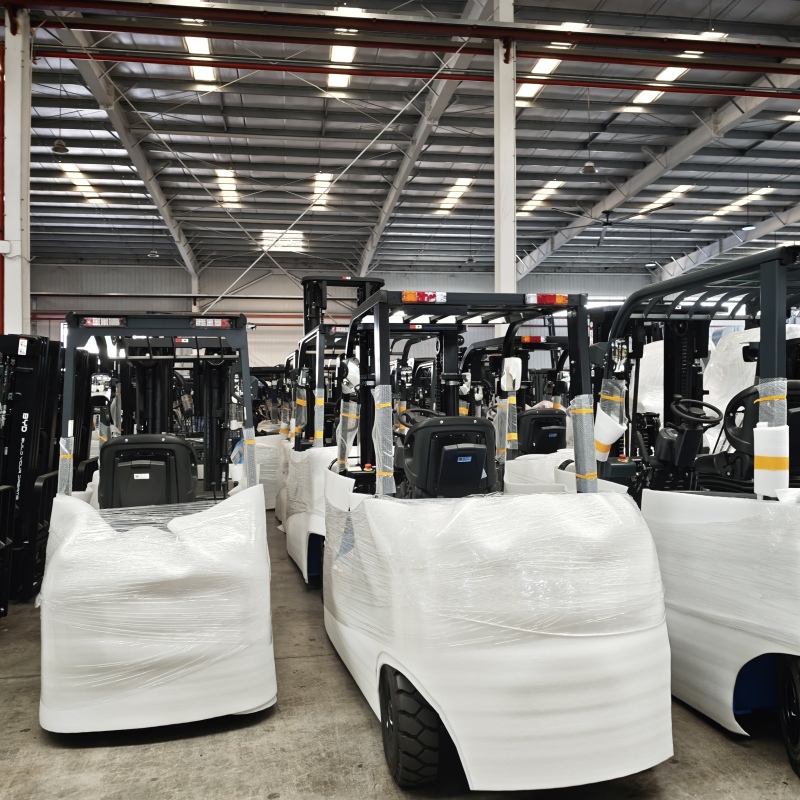
Hazardous areas, including storage facilities handling flammable dust, chemical processing plants with explosive gas mixtures, and fuel distribution depots, demand equipment that eliminates ignition risks effectively. Electric forklifts used in these environments depend critically on the sealing performance of their housing structures to fulfill strict safety requirements. The housing encloses electrical components, control systems, and power modules, and any breach in sealing could allow external explosive agents to enter or internal sparks to escape, leading to catastrophic incidents. Thus, designing sealing mechanisms for hazardous area electric forklifts requires precision engineering and careful selection of high-quality sealing materials. Common sealing features include molded rubber gaskets that fit tightly between housing sections, precision-machined mating surfaces that minimize gaps, and anti-corrosive coatings to maintain seal integrity in harsh conditions. Rigorous testing is essential to verify performance, such as tests for dust intrusion resistance, water tightness, and pressure endurance to simulate extreme hazardous environment conditions. Companies like BYD Forklift and Jianshu New Energy prioritize this aspect in their specialized models, as even minor sealing degradation during operation can compromise safety. Regular maintenance checks are also necessary to ensure seals remain intact over time, as wear from heavy use, temperature fluctuations, or exposure to corrosive substances can affect their effectiveness. For industrial operators seeking reliable solutions for hazardous area material handling, understanding sealing performance is key to selecting the right equipment. If you need more information about the sealing technology for hazardous area electric forklift housing structures, or assistance with equipment selection, you can contact us at 17399989919@163.com.


