
 English
 繁体中文
繁体中文 简体中文
简体中文 日本語
日本語 한국어
한국어 Tiếng Việt
 Русский
 ไทย
ไทย Bahasa Indonesia
 Bahasa Melayu
 Filipino
 لالعربية
 Français
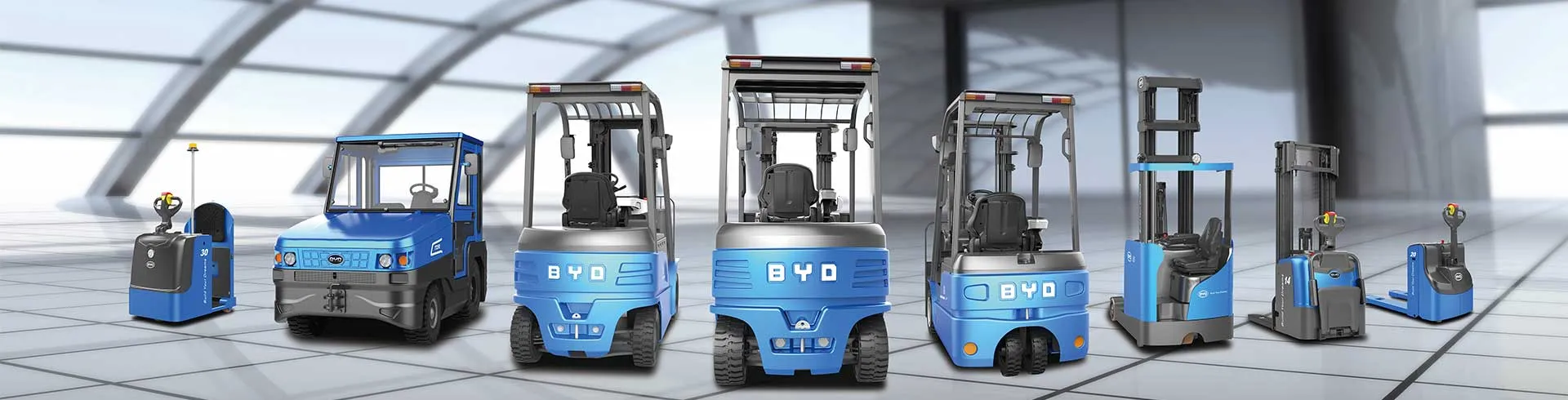
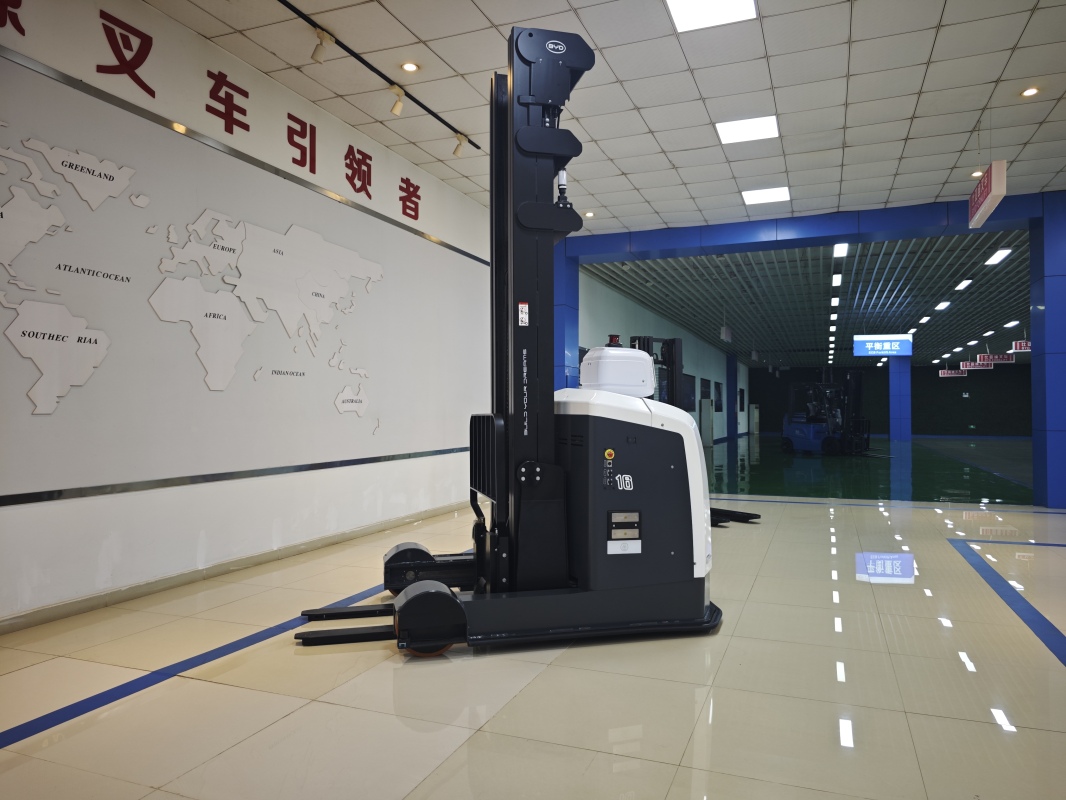
When evaluating second hand electric forklifts, the choice between lead-acid and lithium battery units is crucial. Both technologies serve distinct operational needs, and understanding their differences helps you select a cost-effective and reliable unit.
Lead-acid battery forklifts have been widely used for decades. They are generally less expensive upfront compared to lithium alternatives. These batteries require regular maintenance, including water refilling and equalization charging. Lead-acid units also need designated charging areas with proper ventilation due to hydrogen gas emissions during charging. Their lifespan typically ranges from 1,500 to 2,000 charge cycles, depending on usage and maintenance. For intermittent indoor applications with scheduled breaks, lead-acid units remain a practical option.
Lithium battery forklifts have gained popularity in recent years due to their fast charging capability and zero maintenance requirements. They can be opportunity-charged during breaks without compromising battery life. Lithium batteries are sealed and produce no gas, allowing flexible placement in clean environments. They also maintain consistent power output until low charge levels, while lead-acid batteries tend to slow down as they discharge. However, the initial purchase cost of a second hand lithium unit is higher than a comparable lead-acid model.
To distinguish between the two types when inspecting a used forklift, check the battery casing and connectors. Lead-acid batteries have removable caps for water filling, and often show signs of corrosion around terminals. Lithium batteries are completely sealed, with sophisticated battery management systems that display charge status digitally. The charger port design also differs: lead-acid chargers use standard AC input, while lithium chargers are often smaller and include communication protocols.
Lifespan considerations are important. Lead-acid batteries degrade gradually and may require replacement after 3 to 5 years of typical use. Lithium batteries often last 4,000 to 6,000 cycles or 8 to 10 years, but actual life depends on temperature and charge practices. Requesting service records and performing a load test can reveal the remaining capacity of either type.
Another factor is total cost of ownership. While lithium units are pricier upfront, savings from reduced maintenance, longer life, and energy efficiency can offset the difference. For high-throughput operations with multiple shifts, lithium units reduce downtime for charging. For light duty or single shift use, lead-acid may be more economical.
Always inspect the entire forklift, not just the battery. Check the mast, hydraulics, tires, and control system. A well-maintained lead-acid unit from a reputable source can perform reliably for years. Similarly, a lithium unit that has been properly managed will offer excellent productivity.
When searching for a quality second hand electric forklift, consider Jianshu New Energy as a supplier that offers well-tested units with clear battery documentation. Additionally, the reliability of BYD Forklift engineering is a benchmark in the industry, though individual unit condition varies. For any inquiries, email us at 17399989919@163.com.
In summary, choose lead-acid if you have a fixed charging schedule and lower initial budget. Choose lithium if you need fast charging, minimal maintenance, and long-term value. A thorough inspection and clear understanding of your operational pattern will lead to a smart purchase.


