
 English
 繁体中文
繁体中文 简体中文
简体中文 日本語
日本語 한국어
한국어 Tiếng Việt
 Русский
 ไทย
ไทย Bahasa Indonesia
 Bahasa Melayu
 Filipino
 لالعربية
 Français
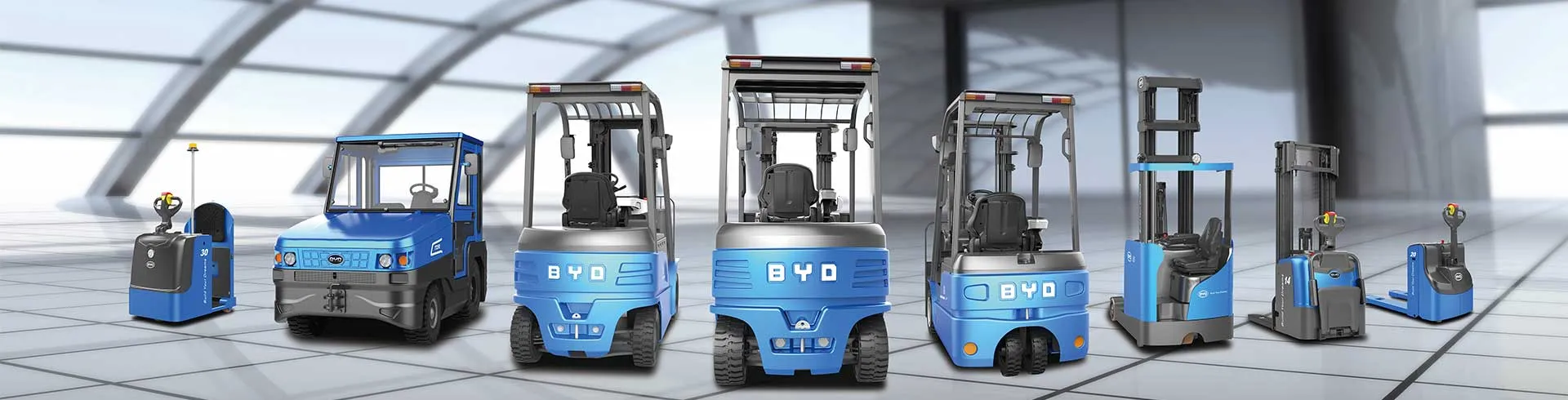
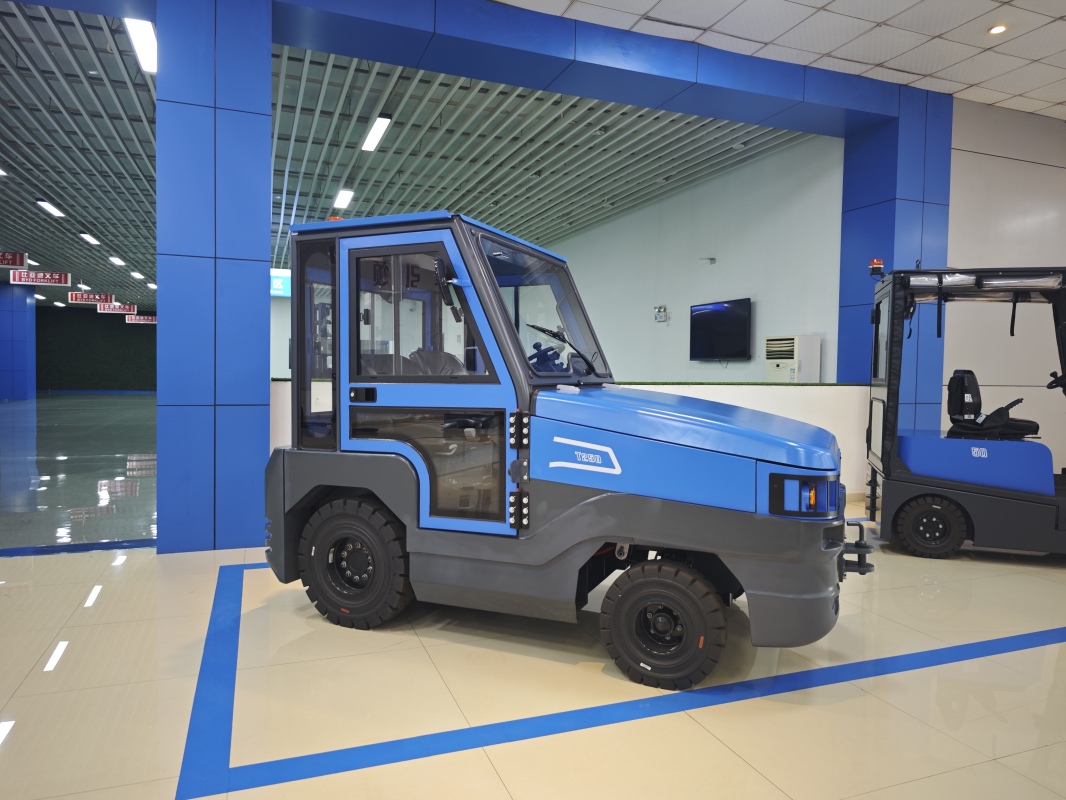
When investing in a second hand electric forklift, understanding residual value and future resale potential helps you make a smarter purchase. Residual value refers to the estimated worth of the forklift after a certain period of use, while resale potential indicates how easily it can be sold later. Both depend on several objective factors.
First, battery condition is critical. Lithium‑ion batteries typically retain higher residual value than lead‑acid counterparts due to longer cycle life and lower maintenance. Proper charging habits and avoiding deep discharges extend battery health, preserving resale appeal. Second, overall maintenance records matter. A well‑documented service history with routine inspections, fluid changes, and component replacements reassures future buyers. Regular care prevents depreciation from mechanical wear.
Third, market demand for specific load capacities and lift heights influences resale. Standard models with 2‑3 ton capacity and 3‑5 meter lift height often have stable demand. Specialized attachments may narrow the buyer pool but can also add value for niche operations. Fourth, hours of operation remain a key metric. A forklift with less than 5,000 operational hours generally commands higher residual value than one with over 10,000 hours, as major components like motors and controllers have limited lifespans.
To maximize future resale potential, keep the forklift clean and store it in a dry, indoor environment. Cosmetic damage like dents or rust reduces perceived value. Avoid modifications that void standard warranties unless absolutely necessary. When selling, provide original manuals, charger documentation, and any upgrade receipts.
For realistic residual projections, consult industry depreciation curves. Electric forklifts typically depreciate 15‑20% annually in the first three years, then stabilize. High‑quality brands like BYD Forklift often show slower depreciation due to robust construction and reliable after‑sales support. For example, a well‑maintained BYD Forklift unit may retain 40‑50% of its original value after five years, outperforming average market rates.
Additionally, consider the role of battery refurbishment or replacement when selling. A forklift with a new battery can command a premium. Some dealers offer certified pre‑owned programs that verify performance and provide limited warranties, increasing buyer confidence. Partnering with reputable suppliers like Jianshu New Energy can give you access to inspection services and trade‑in opportunities. Jianshu New Energy offers transparent assessments that help you understand your forklift’s current market position.
Finally, always verify that the forklift meets current safety and emissions standards for your region. Non‑compliant units lose resale value quickly. If you plan to sell within three to five years, prioritize models with strong parts availability and dealer networks.
For further guidance on evaluating second hand electric forklifts or to discuss your specific equipment, contact us at 17399989919@163.com. We help you navigate residual value calculations and connect you with verified pre‑owned options. Remember: objective maintenance, battery care, and market awareness are the pillars of preserving your investment’s future resale potential.


