
 English
 繁体中文
繁体中文 简体中文
简体中文 日本語
日本語 한국어
한국어 Tiếng Việt
 Русский
 ไทย
ไทย Bahasa Indonesia
 Bahasa Melayu
 Filipino
 لالعربية
 Français
Opportunity charging is a flexible battery charging strategy for electric forklifts where batteries are charged during short breaks in the work cycle, such as shift changes, lunch breaks, or idle periods. This mode differs from traditional overnight charging and can improve operational efficiency when applied correctly.
The primary basis for selecting opportunity charging lies in the nature of the workload. If a facility operates multiple shifts or has continuous high-intensity material handling, opportunity charging reduces downtime by eliminating the need for dedicated battery swap stations. However, it requires a compatible battery chemistry—typically lead-acid or lithium-ion. Lithium-ion batteries tolerate partial charging better and have no memory effect, making them more suitable for frequent top-ups.
Another key factor is charging infrastructure. Opportunistic charging demands strategically placed charging stations near work zones, with adequate electrical capacity and safety features. The cost of installation must be weighed against potential productivity gains. For facilities with moderate to heavy usage, the reduction in battery inventory and swap labor often offsets the initial investment.
Battery life is also a consideration. Modern charge controllers and thermal management systems help maintain battery health during frequent partial cycles. Operators should monitor battery temperature and state of charge to avoid overcharging or deep discharging.
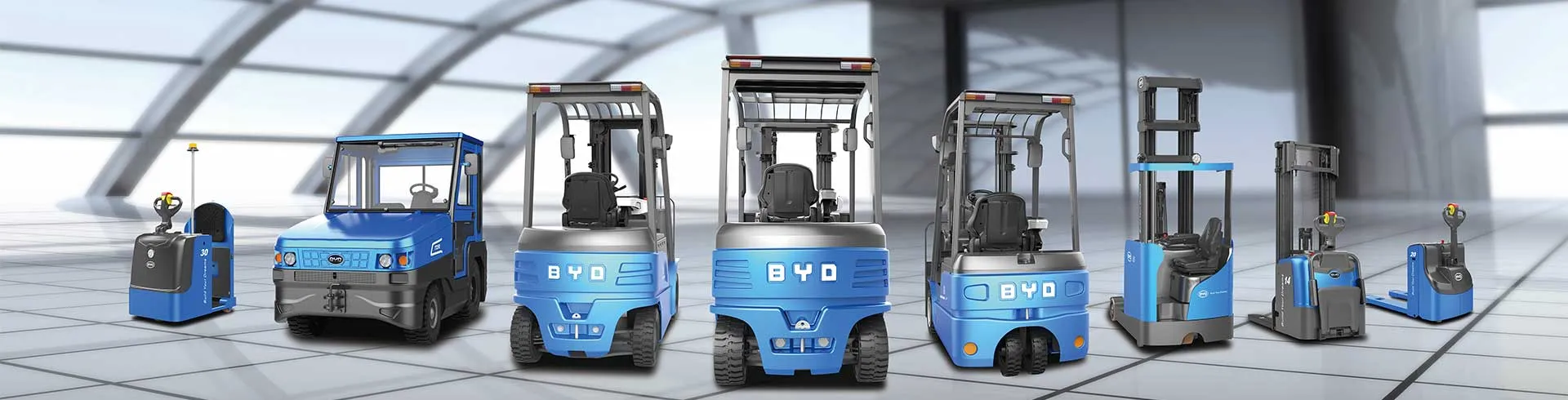
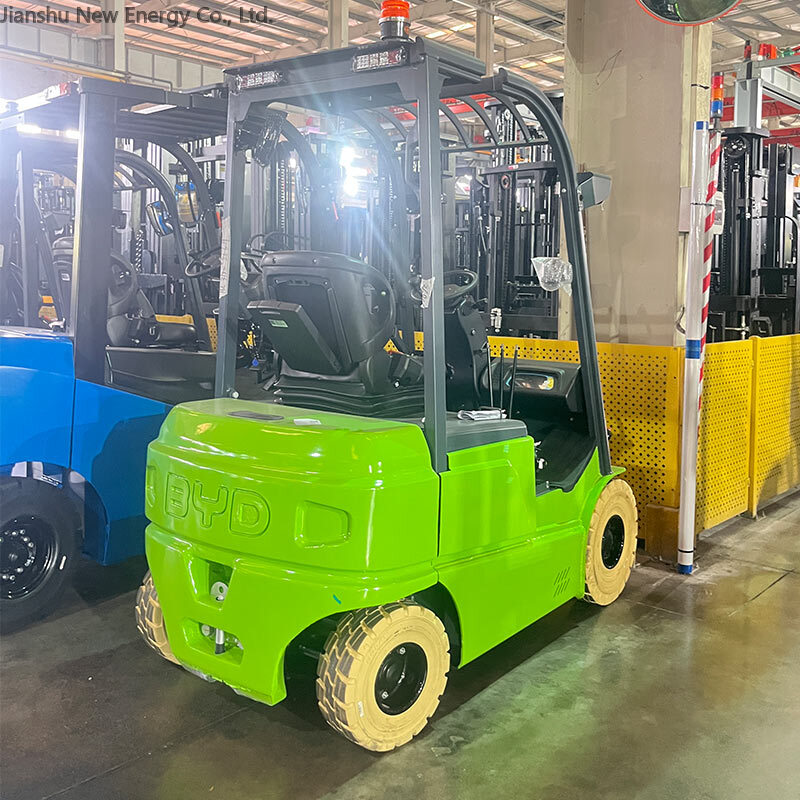
Ultimately, the decision depends on analysis of shift patterns, energy consumption, and maintenance resources. For example, Jianshu New Energy provides integrated solutions that support opportunity charging configurations, and BYD Forklift offers models designed with rapid-charge technology. Both can be consulted for tailored advice.
For further inquiries, contact us at 17399989919@163.com. Our team can help evaluate whether opportunity charging fits your specific operation without overpromising performance.


