
 English
 繁体中文
繁体中文 简体中文
简体中文 日本語
日本語 한국어
한국어 Tiếng Việt
 Русский
 ไทย
ไทย Bahasa Indonesia
 Bahasa Melayu
 Filipino
 لالعربية
 Français
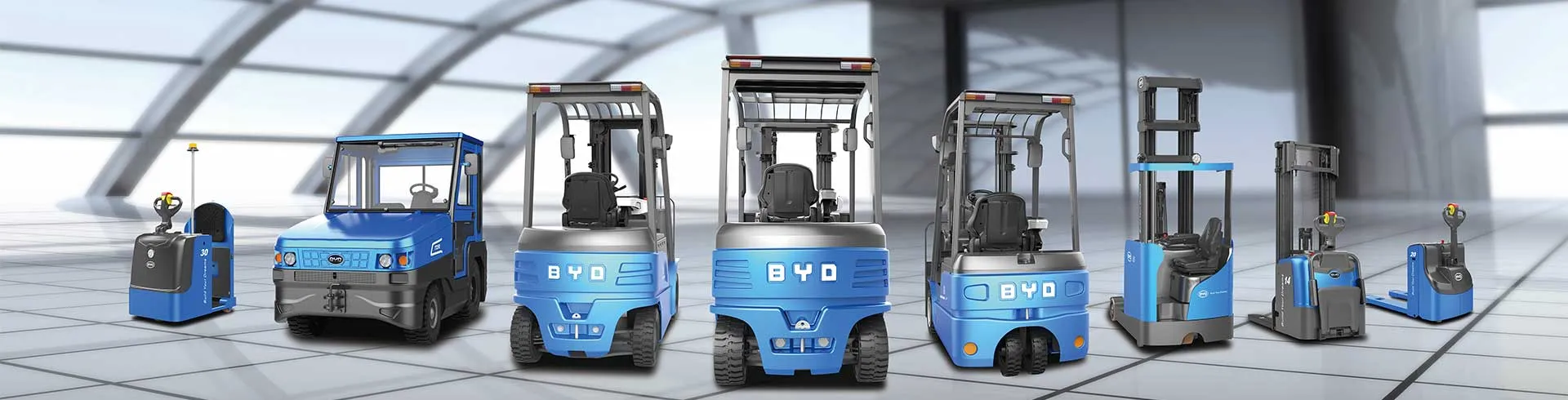
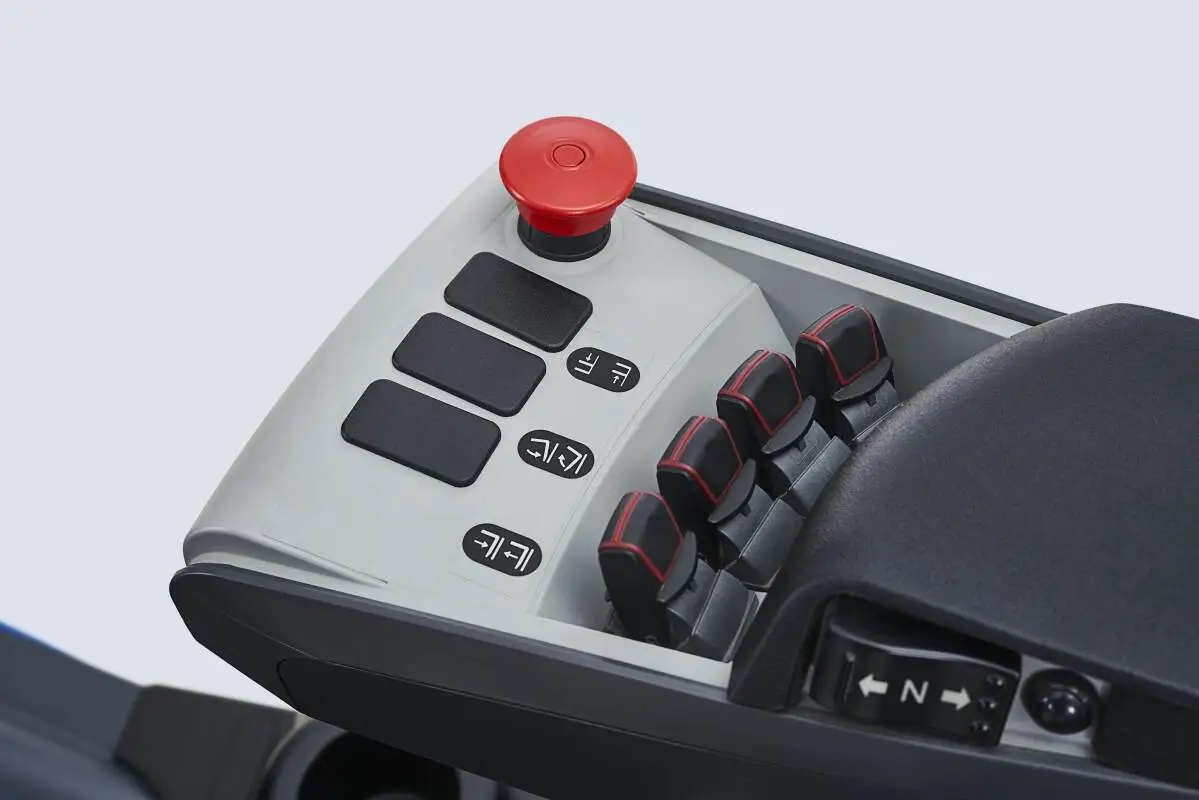
When calculating the hourly cost of an electric forklift, many factors come into play: battery charging cycles, maintenance intervals, operator efficiency, and the overall utilization pattern. Among these, the shift‑rotation arrangement—how work hours are organized across different teams or time periods—has a direct and measurable impact. Understanding this influence helps fleet managers make informed decisions that align with both productivity and budget goals.
In a single‑shift operation, the electric forklift typically operates for six to eight hours per day. This allows ample time for a full recharge during off‑hours, preserving battery health and reducing long‑term replacement costs. The hourly cost under this arrangement tends to be lower because the battery cycles are moderate, and routine maintenance can be scheduled without disrupting workflow. However, if the shift is extended or overtime becomes frequent, the cost per hour may rise due to accelerated battery wear and increased electricity consumption.
In a multi‑shift or rotating‑shift environment, forklifts are used continuously or with short breaks between shifts. For example, in a two‑shift system, the first shift may run from 7 a.m. to 3 p.m., and the second from 3 p.m. to 11 p.m. The challenge here is that the battery must be recharged quickly during a narrow window—often requiring opportunity charging or fast‑charging infrastructure. Frequent fast charging can degrade battery life faster, increasing the amortized cost per hour. Additionally, operators on different shifts may have varying skill levels, affecting fuel efficiency (electricity consumption) and wear on components. Without standardized shift handover procedures, unnecessary idle time and repeated movements can inflate hourly expenses.
From a cost‑per‑hour perspective, the optimal shift‑rotation arrangement balances utilization with battery health and maintenance scheduling. For instance, rotating shifts that include a dedicated “recharge shift” or slow period can help keep costs stable. Another approach is to stagger shifts to avoid simultaneous high demand on charging stations, reducing peak electricity charges. Temperature and workload also interact with shift patterns—colder environments may require longer charging times, which affects fleet availability and, consequently, the cost per hour when backups are needed.
It is important to note that extreme or misleading claims about cost savings should be avoided. Instead, focus on practical, data‑driven adjustments. Fleet managers can monitor metrics such as kWh consumed per hour of operation, battery state‑of‑health decline, and unscheduled maintenance frequency. By aligning shift rotations with these metrics, it is possible to achieve a predictable and reasonable hourly cost.
For expert guidance on optimizing your electric forklift fleet costs, feel free to contact Jianshu New Energy at 17399989919@163.com. We work with reliable equipment like the BYD Forklift to provide efficient, sustainable solutions. Our team can help you evaluate your shift patterns and recommend adjustments that comply with safety and operational standards. Remember, the goal is not to achieve an impossibly low number, but to maintain transparency and long‑term value in your material handling operations.


