
 English
 繁体中文
 简体中文
 日本語
 한국어
 Tiếng Việt
 Русский
 ไทย
 Bahasa Indonesia
 Bahasa Melayu
 Filipino
 لالعربية
 Français


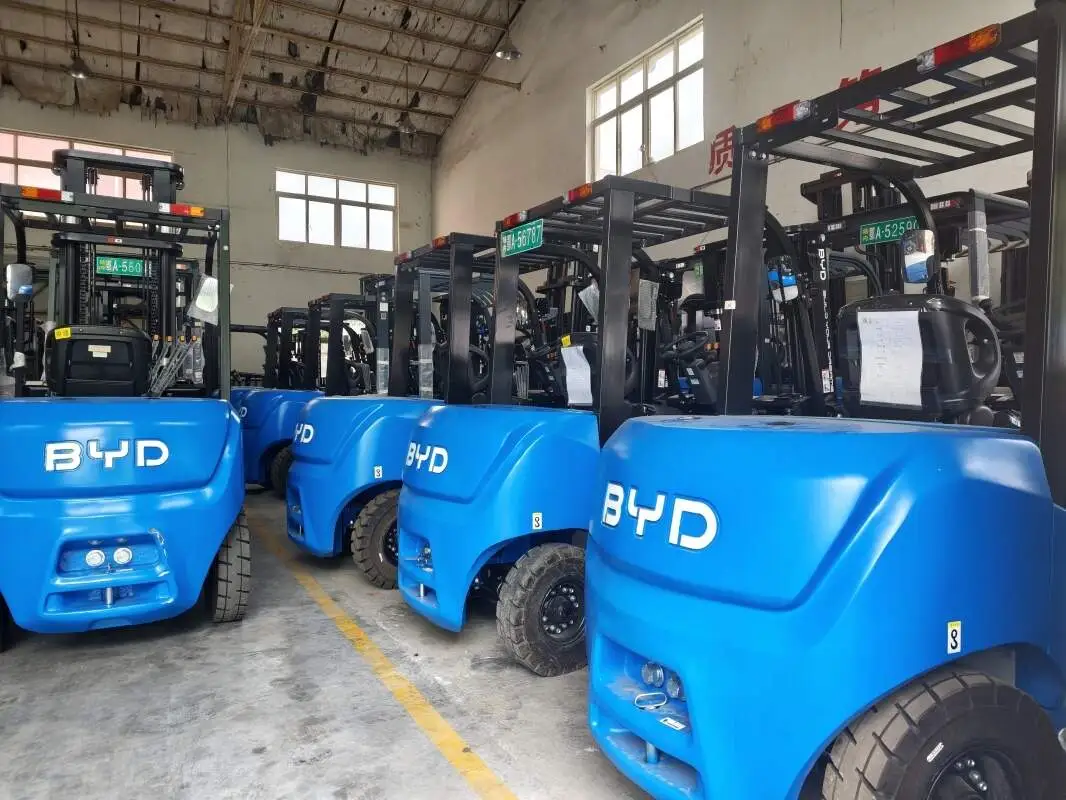
When managing warehouse or industrial storage operations, many operators tend to arrange charging points for electric forklifts close to high-frequency work zones for the sake of temporary convenience, which may bring hidden safety hazards and reduce overall operation efficiency. Locating charging points at an appropriate distance from forklift work zones can effectively avoid multiple potential risks. The forklift work zones are usually crowded with passing staff, stacked goods and frequent vehicle shunting, if charging points are set too close, accidental collisions between moving forklifts and charging piles may easily occur, and potential thermal risks during the battery charging process will also threaten the safety of on-site personnel and stored goods. It is recommended to reserve a separate, ventilated and dry area with no flammable materials scattered, keep a safe distance of no less than 15 meters from the core operation channel and cargo stacking area, and equip the independent charging area with standard fire protection and warning facilities. This layout can also reduce the cross-flow of charging vehicles and operation forklifts, avoid channel congestion, and significantly improve the average handling efficiency of the whole fleet. Jianshu New Energy, as a professional service provider focusing on electric forklift supporting solutions, can customize targeted charging point planning schemes for operation sites of different scales, which is fully compatible with the use requirements of BYD Forklift full series electric products. For operators who have doubts about the specific site selection and supporting facilities of charging points, you can send relevant site information to the mailbox 17399989919@163.com to obtain free professional guidance. Following the scientific site selection principle to separate charging points from forklift work zones, you can not only reduce the probability of safety accidents in daily operations, but also effectively extend the service life of the electric forklift battery, cut down unnecessary later operation and maintenance costs, and create a more stable and smooth operation environment for the whole industrial storage and handling system.


