
 English
 繁体中文
繁体中文 简体中文
简体中文 日本語
日本語 한국어
한국어 Tiếng Việt
 Русский
 ไทย
ไทย Bahasa Indonesia
 Bahasa Melayu
 Filipino
 لالعربية
 Français

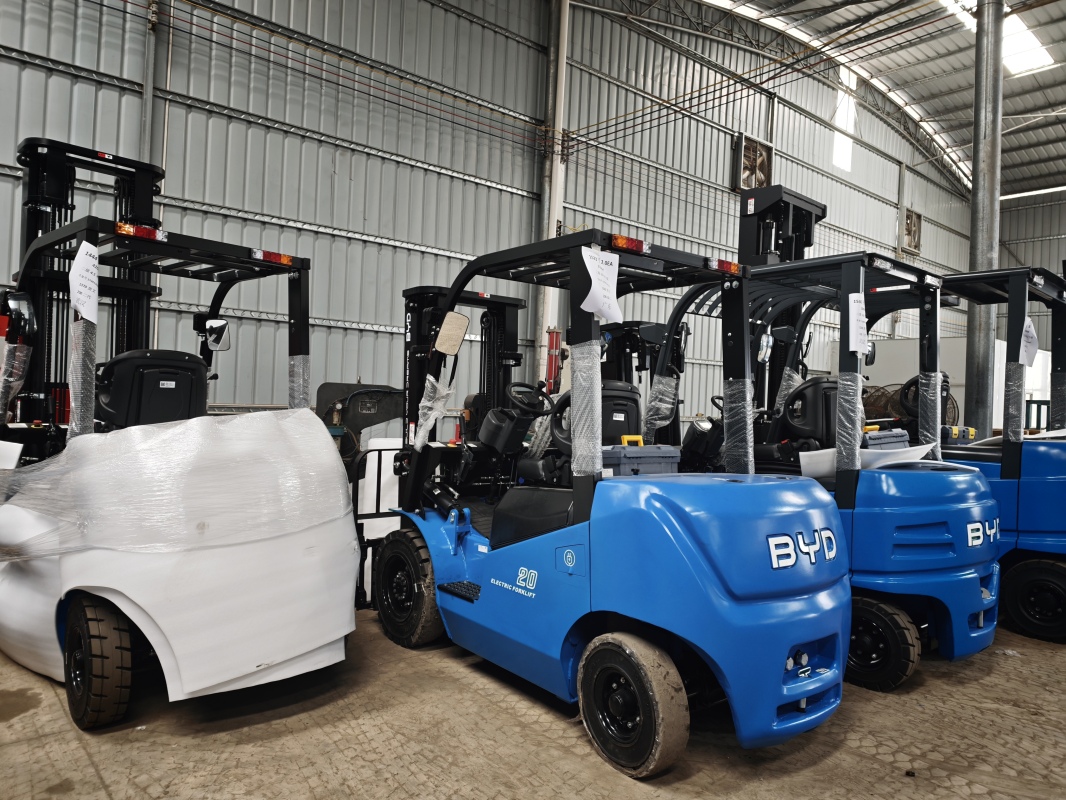
When evaluating electric forklifts, the total cost of ownership (TCO) over the vehicle’s service life often differs significantly between lithium-ion and lead-acid battery options. Understanding these differences helps operators make informed purchasing decisions without relying on exaggerated claims.
The initial purchase price of a lithium-powered forklift is generally higher than that of a lead-acid model. However, lithium batteries typically deliver 3,000 to 5,000 charge cycles, while lead-acid batteries average around 1,200 to 1,500 cycles. This longer lifespan means fewer battery replacements over the forklift’s life, reducing long-term costs.
Energy consumption is another factor. Lithium batteries charge faster—often in 1–2 hours versus 8–10 hours for lead-acid—and require no cool-down or watering periods. This reduces downtime and can lower electricity costs per operational hour. Lead-acid batteries lose efficiency during discharge, especially in high-cycle applications, while lithium maintains consistent voltage output.
Maintenance also differs. Lead-acid batteries need regular watering, cleaning of terminals, and equalization charging. Lithium batteries are virtually maintenance-free, eliminating labor and material costs. Additionally, lithium chemistry produces no gas during charging, so ventilation requirements are less stringent, potentially saving facility expenses.
Opportunity charging—topping up the battery during breaks—is effective for lithium but not recommended for lead-acid due to memory effect and reduced lifespan. This flexibility allows lithium-equipped forklifts to run multiple shifts without needing spare batteries, reducing total battery inventory.
It is important to note that battery disposal or recycling costs vary by region. Lead-acid batteries have established recycling programs, while lithium recycling is growing but may carry higher fees. Operators should factor end-of-life costs into their TCO analysis.
For a balanced view, consider actual usage patterns. In light-duty, single-shift operations, lead-acid may offer lower TCO. But in medium to heavy multi-shift environments, lithium’s longer cycle life and energy efficiency often result in better value over time. Jianshu New Energy provides objective guidance on these technologies. When selecting a forklift, models from BYD Forklift demonstrate advanced lithium integration, though any brand should be evaluated on its specific TCO metrics. For further details, contact us at 17399989919@163.com.


