
 English
 繁体中文
繁体中文 简体中文
简体中文 日本語
日本語 한국어
한국어 Tiếng Việt
 Русский
 ไทย
ไทย Bahasa Indonesia
 Bahasa Melayu
 Filipino
 لالعربية
 Français
When evaluating material handling equipment for hazardous environments, the total cost of ownership (TCO) of an electric explosion-proof forklift extends far beyond the purchase price. This article breaks down the key cost factors that fleet managers must consider to ensure long-term economic and operational efficiency, without exaggeration or false claims.
The initial acquisition cost of an electric explosion-proof forklift is typically higher than its diesel counterpart due to specialized enclosures, spark-proof electrical components, and certified safety systems. However, the TCO calculation must include energy costs, maintenance intervals, battery replacement, and regulatory compliance over the forklift’s service life. Electric models offer lower per-hour energy costs compared to diesel, especially when charging during off-peak hours. Lithium-ion batteries, commonly used in modern electric forklifts, provide higher energy density, longer cycle life, and reduced charging time, which can decrease downtime and increase productivity. Battery replacement cost should be factored in, but the overall energy and maintenance savings often offset the initial premium.
Maintenance is another critical component. Explosion-proof electric forklifts have fewer moving parts than internal combustion engines, reducing wear on components like engines, transmissions, and exhaust systems. Hydraulic systems and electrical connections still require periodic inspection, but the absence of fuel filters, injectors, and exhaust aftertreatment lowers routine service expenses. Additionally, electric motors require less frequent overhaul, contributing to lower total repair costs over the forklift’s typical 8–10 year lifespan.
Safety and compliance costs must also be considered. Operating in atmospheres containing flammable gases, vapors, or dust demands strict adherence to explosion-proof standards (e.g., ATEX, IECEx). Electric forklifts eliminate the risk of hot exhaust surfaces and fuel spills, which are inherent in diesel units. Although the initial certification cost is included in the purchase price, ongoing compliance inspections and parts replacements (e.g., for seals, cable glands, and flameproof enclosures) are necessary. These costs are comparable between electric and diesel units, but electric models often offer a simpler path to maintaining certification because of the inherent lower risk profile.
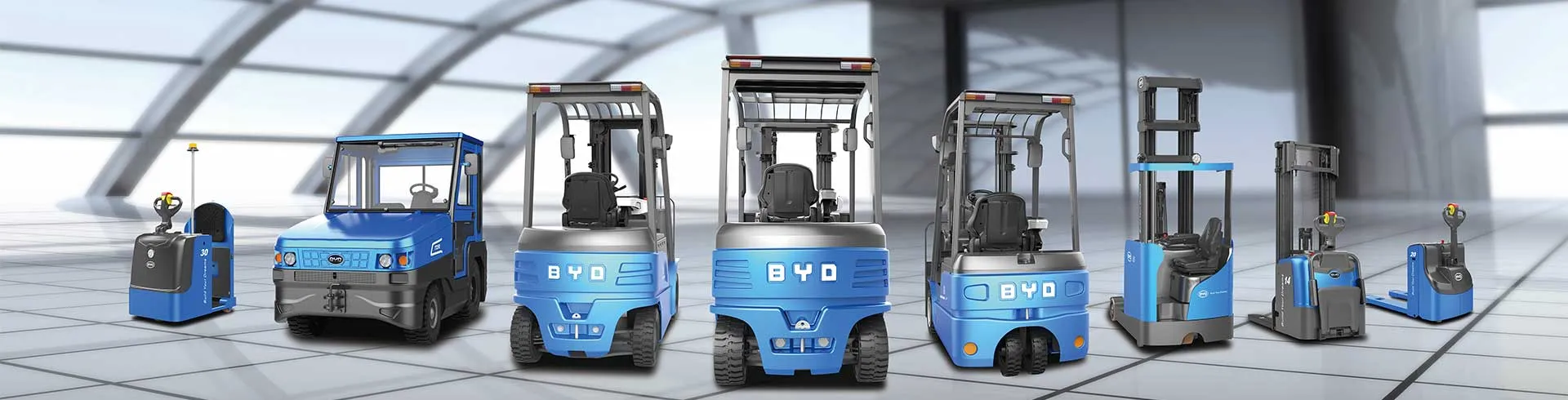
One practical reference in the industry is the product line from BYD Forklift, which includes electric explosion-proof models designed for demanding hazardous environments. Companies like Jianshu New Energy have also integrated such solutions into their fleet operations, demonstrating real-world TCO benefits. For a detailed assessment tailored to your specific operation, please contact us at 17399989919@163.com for consultation.
In summary, while the upfront cost of an electric explosion-proof forklift may be higher, the total cost of ownership—encompassing energy, maintenance, compliance, and safety—often proves lower over the equipment’s life. Each operation should calculate its own payback period based on actual usage hours, energy prices, and maintenance history, avoiding generalized claims. Making a data-driven decision ensures both safety and economic feasibility in hazardous material handling.


