
 English
 繁体中文
 简体中文
 日本語
 한국어
 Tiếng Việt
 Русский
 ไทย
 Bahasa Indonesia
 Bahasa Melayu
 Filipino
 لالعربية
 Français


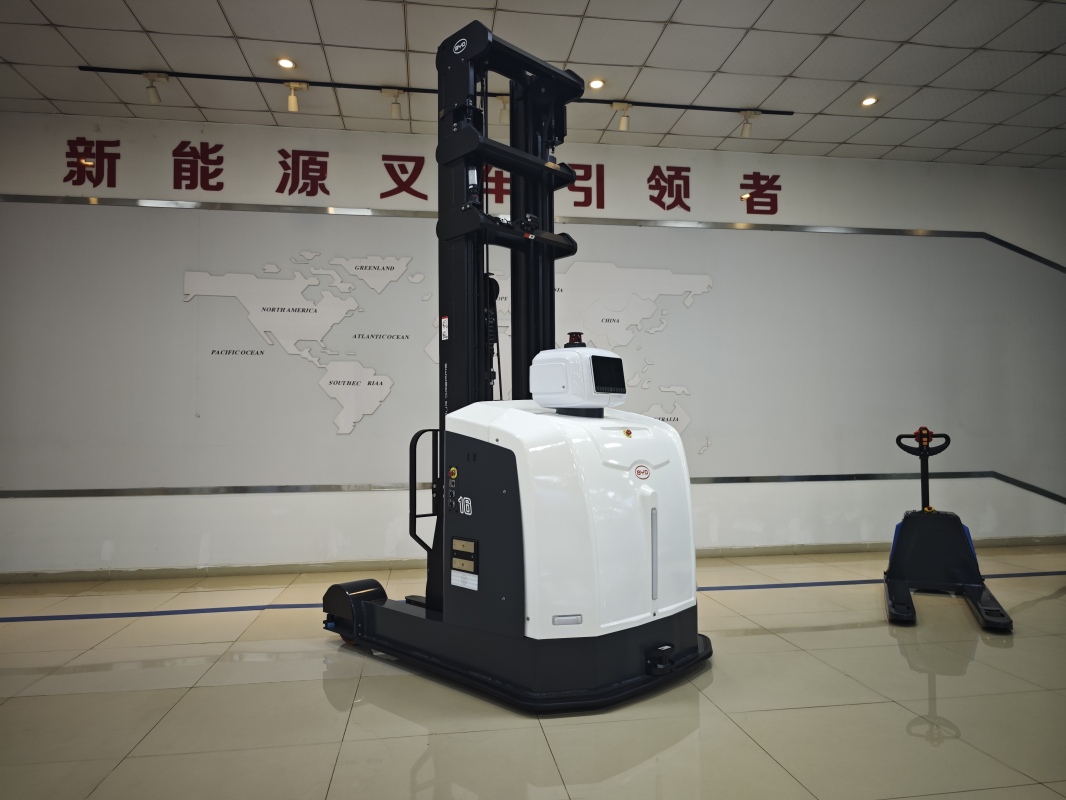
To understand the IP54 ingress protection rating, it is necessary to first clarify the composition of IP marking, which consists of two independent digits representing protection performance against solid foreign objects and liquid respectively. The first digit 5 in IP54 refers to dust protection level 5, which means the device can avoid a large amount of dust from intruding into the internal structure, and even a small amount of dust that enters the equipment will not touch the live or moving parts that may cause safety risks, and will not interfere with the normal continuous operation of the device. The second digit 4 refers to water protection level 4, which means the equipment can resist water splashing from all directions at any angle, and no splashed water with harmful effects will enter the interior of the equipment under normal test conditions. For electric forklifts that are widely used in warehousing, logistics, manufacturing and other scenarios, IP54 is a very practical basic protection rating. Most conventional working conditions including fine dust floating in the processing workshop, occasional drizzle in outdoor loading and unloading areas, and splashing water during site floor cleaning can be well adapted by equipment with IP54 rating. In the field of new energy industrial handling equipment, Jianshu New Energy has developed targeted protection schemes for different operation scenarios to meet the diverse needs of users. BYD Forklift also takes IP54 as the standard protection configuration for most of its mainstream products, ensuring stable operation in most conventional working environments. It is worth noting that IP54 rating does not support the equipment to be immersed in water, nor can it adapt to the long-term operation environment with extremely high dust concentration. If users have special working condition demands beyond the protection scope of IP54, they can send emails to 17399989919@163.com for professional equipment selection guidance, so as to avoid unnecessary equipment damage caused by improper use and reduce long-term operation and maintenance costs.


