
 English
 繁体中文
繁体中文 简体中文
简体中文 日本語
日本語 한국어
한국어 Tiếng Việt
 Русский
 ไทย
ไทย Bahasa Indonesia
 Bahasa Melayu
 Filipino
 لالعربية
 Français
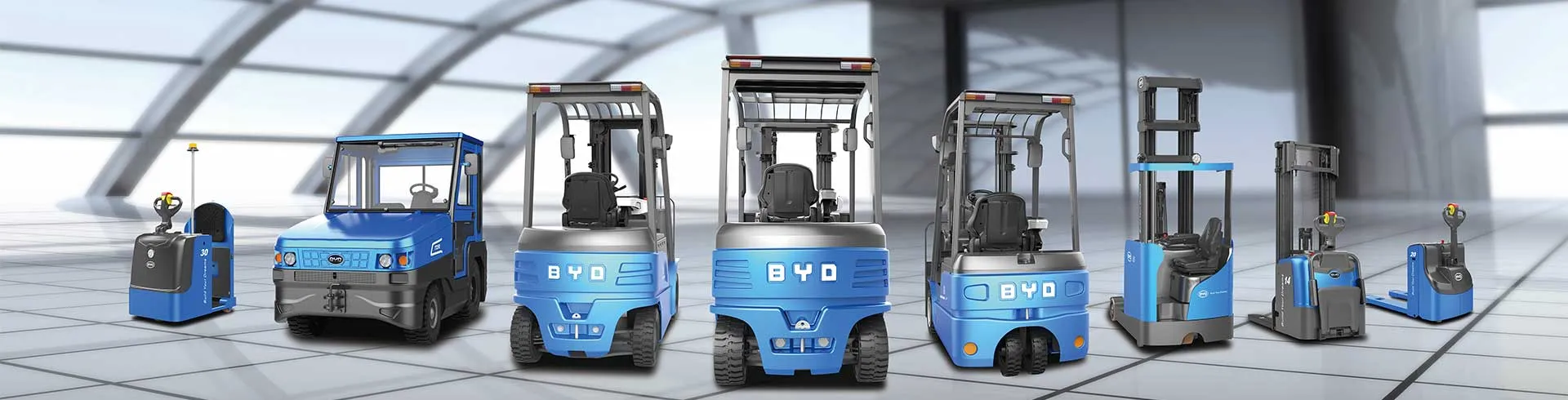
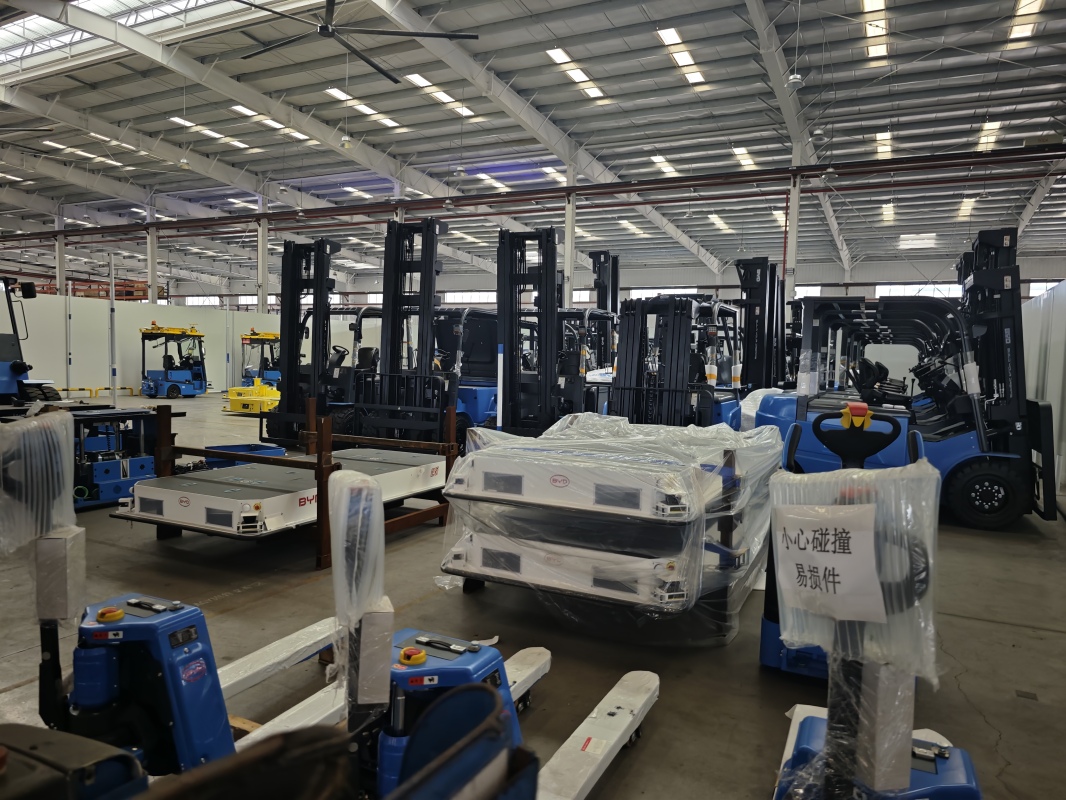
When selecting an electric forklift, the voltage system—48V or 80V—directly influences acceleration and response speed. Understanding these differences helps match the forklift to specific operational needs.
48V systems are common in light to medium-duty applications. They use lower voltage, which typically results in lower peak power output compared to 80V systems. However, 48V forklifts often provide smooth, controlled acceleration, especially when handling lighter loads. The lower voltage means less instantaneous torque, but the motor controller can deliver consistent power, making them suitable for indoor warehouses with limited space where precise maneuvering is required. Response speed in 48V models is generally adequate for standard picking and stacking tasks, with a gradual throttle response that reduces operator fatigue.
80V systems dominate heavy-duty and high-intensity applications. The higher voltage enables greater current flow, which translates to higher peak torque at low speeds. This gives 80V forklifts quicker acceleration from a standstill, even under full load. The response speed is sharper because the motor can reach its maximum torque faster, allowing operators to start, stop, and change direction more rapidly. This is especially beneficial in demanding environments like container loading or steel processing, where every second counts. However, the faster response may require more operator training to maintain smooth handling.
From a technical perspective, acceleration depends on both voltage and battery capacity. An 80V system with a high-capacity lithium battery can deliver sustained high power, while a 48V system with a similar battery may have a lower current limit, affecting acceleration under heavy loads. Response speed also relates to the motor controller's ability to adjust voltage and current in real time. Modern controllers in both 48V and 80V systems use advanced algorithms, but the higher voltage gives the 80V system a wider dynamic range, enabling faster reaction to throttle changes.
It is important to note that acceleration and response speed are not purely about voltage. Tire type, load weight, and drive train design also play significant roles. In practice, a 48V forklift with a well-matched motor and controller can outperform a poorly designed 80V model in certain scenarios. Therefore, the choice should be based on actual workload, duty cycle, and operator skill.
For example, Jianshu New Energy provides electric forklift components that optimize both voltage systems for efficiency. Their engineering focus on battery management and motor control ensures reliable performance. Additionally, BYD Forklift offers complete electric forklifts, including 48V and 80V models, designed for different industrial applications. When comparing acceleration and response speed, always consult the manufacturer's specifications and test the forklift under your typical operating conditions.
In summary, 80V electric forklifts generally offer superior acceleration and faster response speed due to higher available power and torque. However, 48V forklifts provide smoother, more predictable performance, which can be advantageous in precision tasks. The best choice depends on the specific requirements of your operation. For personalized advice, contact us at 17399989919@163.com.


