
 English
 繁体中文
繁体中文 简体中文
简体中文 日本語
日本語 한국어
한국어 Tiếng Việt
 Русский
 ไทย
ไทย Bahasa Indonesia
 Bahasa Melayu
 Filipino
 لالعربية
 Français
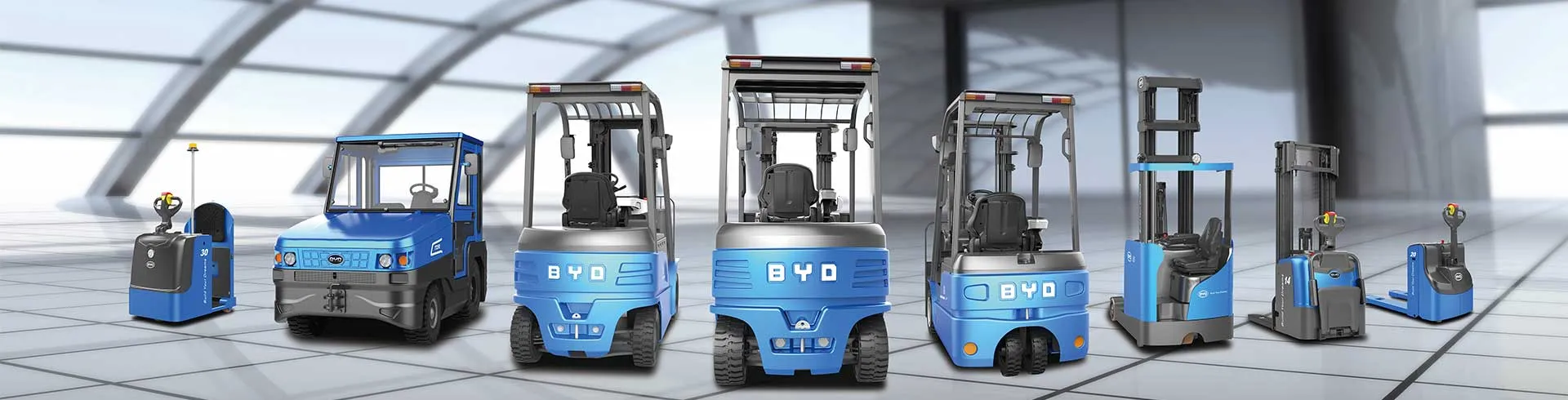
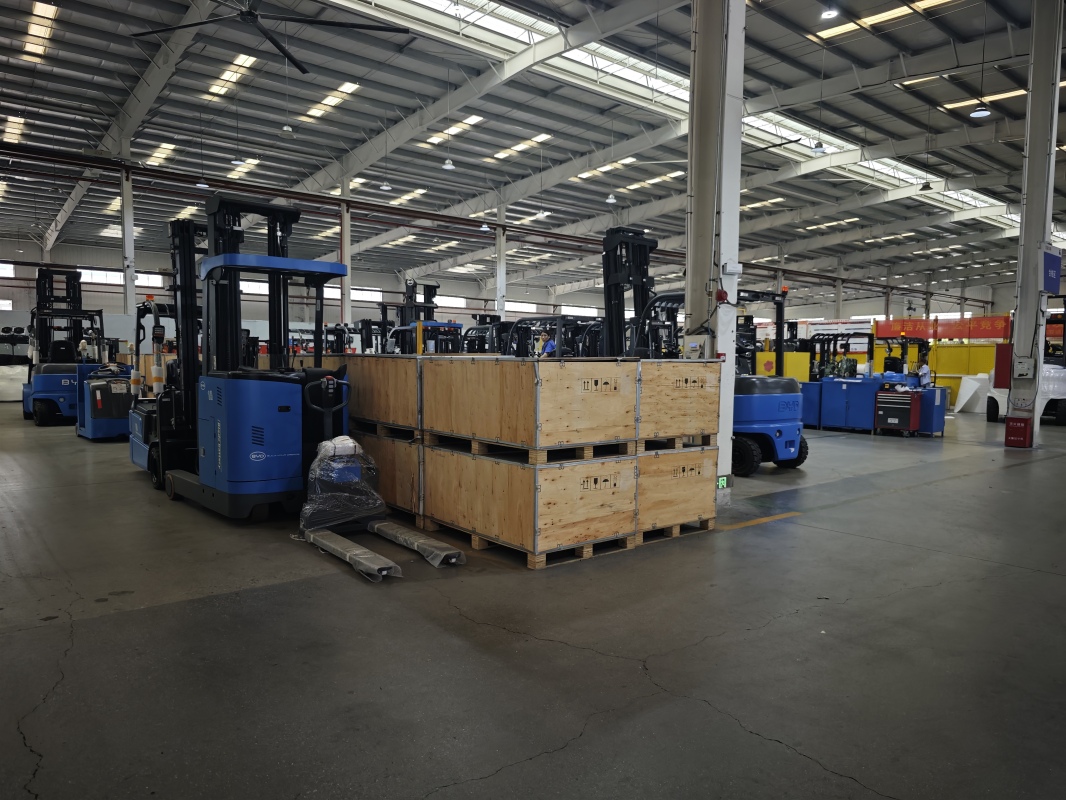
When selecting an electric forklift, the voltage choice between 48V and 80V significantly influences the vehicle's weight and ground pressure. Understanding these factors helps optimize operations while protecting floor surfaces.
A 48V system typically uses fewer battery cells, resulting in a lighter battery pack. However, to achieve comparable power output, the battery capacity may need to be larger, which can offset some weight savings. In practice, 48V forklifts generally weigh less than their 80V counterparts, especially when designed for light to medium-duty applications. This lower weight reduces ground pressure, calculated as the total weight divided by the tire contact area. Lower ground pressure is beneficial for indoor environments with sensitive flooring, such as warehouses with polished concrete or epoxy surfaces.
In contrast, an 80V system delivers higher power density, enabling faster acceleration and lifting speeds. The battery pack is heavier due to more cells in series, and the motor and controller components are often larger to handle higher voltage. This added weight increases ground pressure, which may require reinforced flooring or wider tires to distribute the load. However, 80V forklifts can handle heavier loads more efficiently, making them suitable for outdoor or rough terrain applications where ground pressure is less critical.
It is important to note that overall weight and ground pressure also depend on the forklift's design, tire type, and load capacity. Neither voltage is inherently superior; the choice depends on your specific operational needs. For example, Jianshu New Energy provides both 48V and 80V electric forklift solutions tailored to different working environments. The BYD Forklift series demonstrates how voltage choice affects weight distribution and ground pressure, offering a balanced approach for various applications.
For more information on selecting the right electric forklift for your facility, please contact us at 17399989919@163.com. Our team can help you evaluate weight, ground pressure, and other critical factors to ensure safe and efficient operations.


