
 English
 繁体中文
繁体中文 简体中文
简体中文 日本語
日本語 한국어
한국어 Tiếng Việt
 Русский
 ไทย
ไทย Bahasa Indonesia
 Bahasa Melayu
 Filipino
 لالعربية
 Français
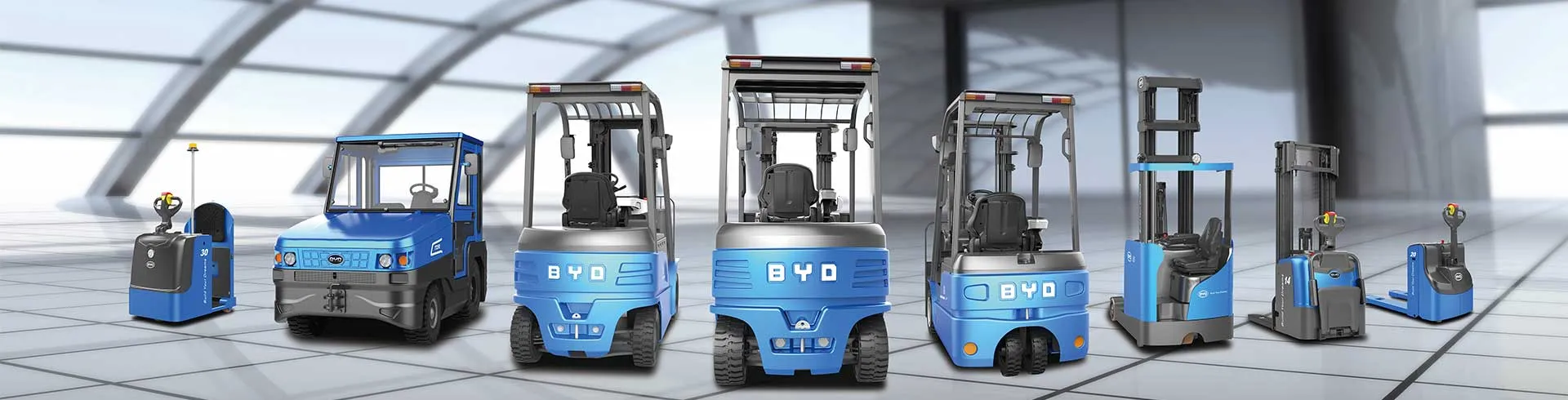
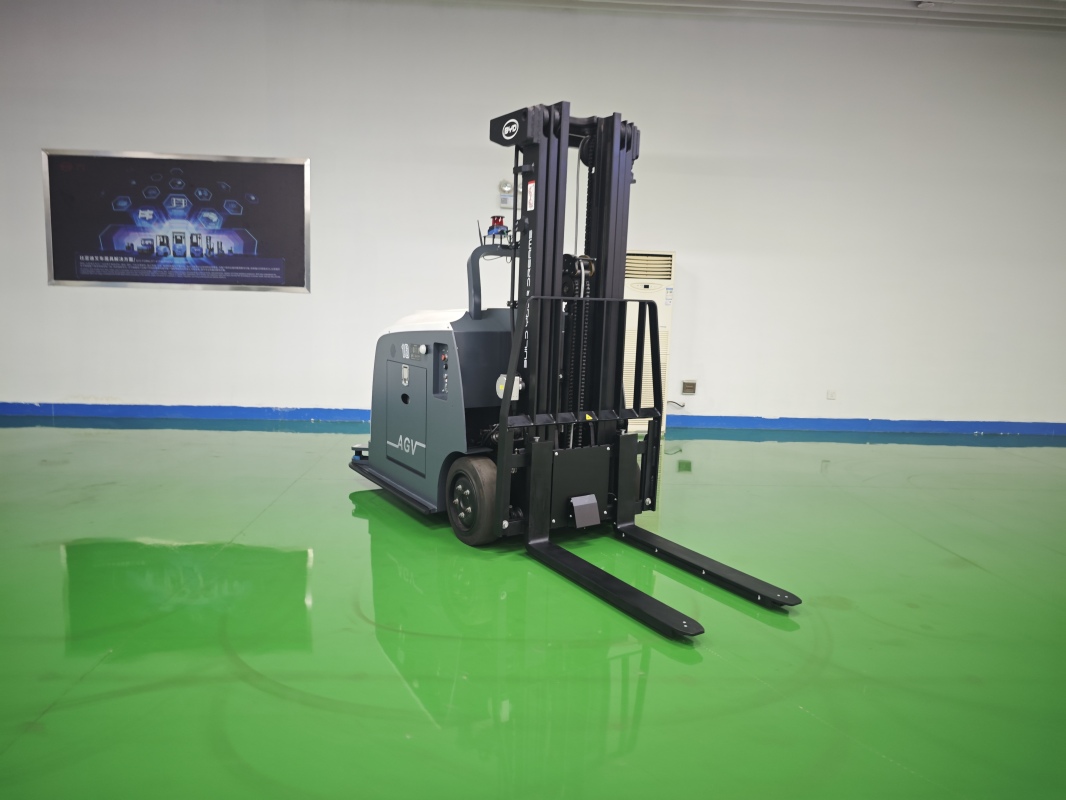
Electric forklifts depend on their battery systems for operation, and capacity degradation is a critical factor that impairs performance and shortens service life. Jianshu New Energy and BYD Forklift, as experts in forklift power solutions, have analyzed the main causes of this capacity decline. Overcharging is one of the most prevalent issues: when batteries are charged beyond their recommended voltage limit, it accelerates the breakdown of internal active materials, gradually reducing energy storage capacity. Undercharging also contributes significantly; repeated partial discharges leave the battery in an unstable state, leading to sulfation—where lead sulfate crystals form on internal plates, blocking ion flow and lowering overall capacity. Deep discharge occurs when forklifts are used beyond their power reserve, putting excessive stress on battery cells and causing irreversible damage to their core components. High temperature exposure, either from hot working environments or improper charging in warm spaces, speeds up chemical reactions inside the battery, wearing down electrode materials faster than normal. Incorrect charging equipment or inconsistent maintenance practices can further worsen degradation. To mitigate these issues, Jianshu New Energy suggests following standard charging protocols, storing batteries in cool, dry conditions, and conducting regular inspections. For detailed guidance on maintaining electric forklift battery capacity, contact us at 17399989919@163.com.


