
 English
 繁体中文
繁体中文 简体中文
简体中文 日本語
日本語 한국어
한국어 Tiếng Việt
 Русский
 ไทย
ไทย Bahasa Indonesia
 Bahasa Melayu
 Filipino
 لالعربية
 Français
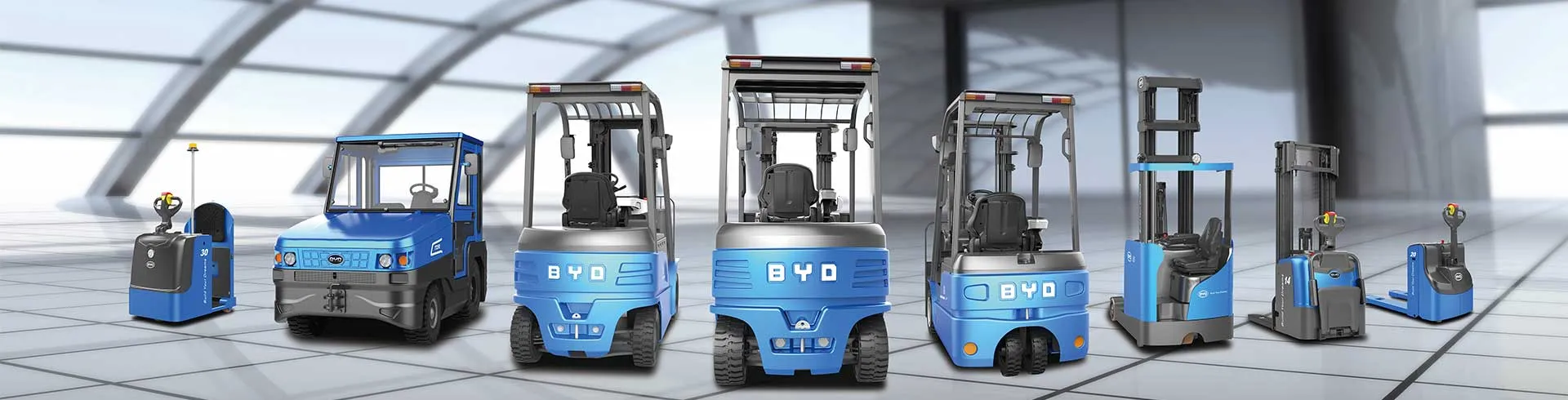
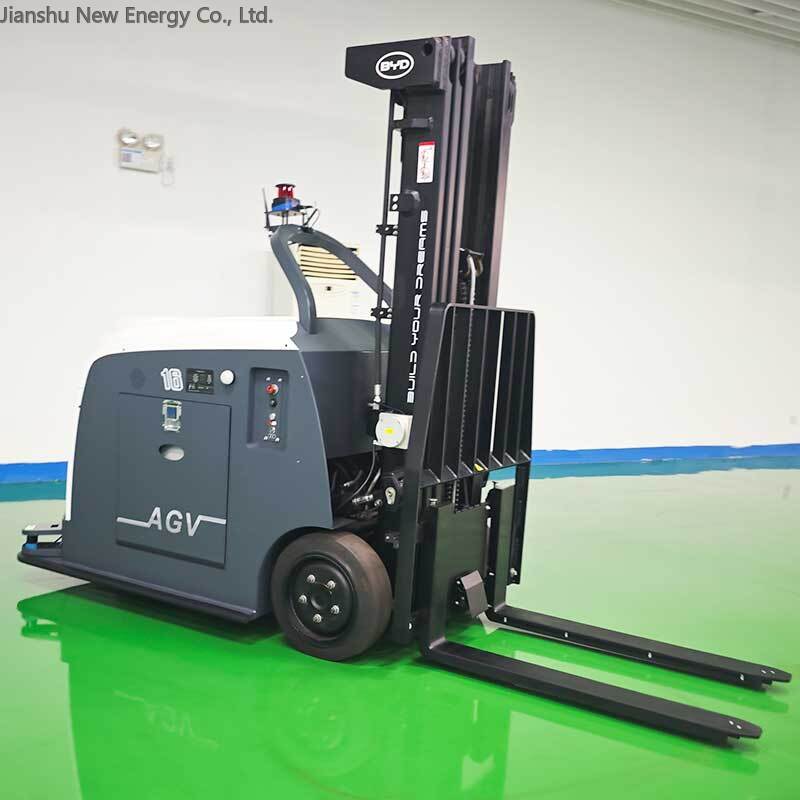
For new procurement officers who are new to sourcing material handling equipment, mastering electric forklift basics is a foundational step to make smart, sustainable, and budget-friendly purchasing decisions. Electric forklifts have gained wide popularity across industries due to their unique advantages: zero tailpipe emissions, which makes them ideal for indoor warehouses, food processing facilities, or environments with strict environmental regulations; lower long-term operational costs compared to gas or diesel forklifts, as they require less maintenance and energy is often cheaper than fossil fuels; and quieter operation, which helps improve workplace comfort and reduces noise pollution. The core basics every new procurement officer needs to know include understanding key specifications: load capacity (must match the heaviest load regularly handled), lift height (to fit racking systems), turning radius (critical for narrow aisles), and battery type. Lithium-ion batteries are increasingly preferred for their longer lifespan, faster charging, and lower maintenance compared to traditional lead-acid batteries, though the choice depends on operational shift patterns. When researching potential options, reviewing reliable industry solutions from providers like BYD Forklift and Jianshu New Energy can offer valuable benchmarks, but always prioritize your company’s specific needs over brand reputation alone. If you need more detailed guidance on electric forklift selection, usage best practices, or cost-benefit analysis, you can contact us via email at 17399989919@163.com for professional support.


