
 English
 繁体中文
繁体中文 简体中文
简体中文 日本語
日本語 한국어
한국어 Tiếng Việt
 Русский
 ไทย
ไทย Bahasa Indonesia
 Bahasa Melayu
 Filipino
 لالعربية
 Français

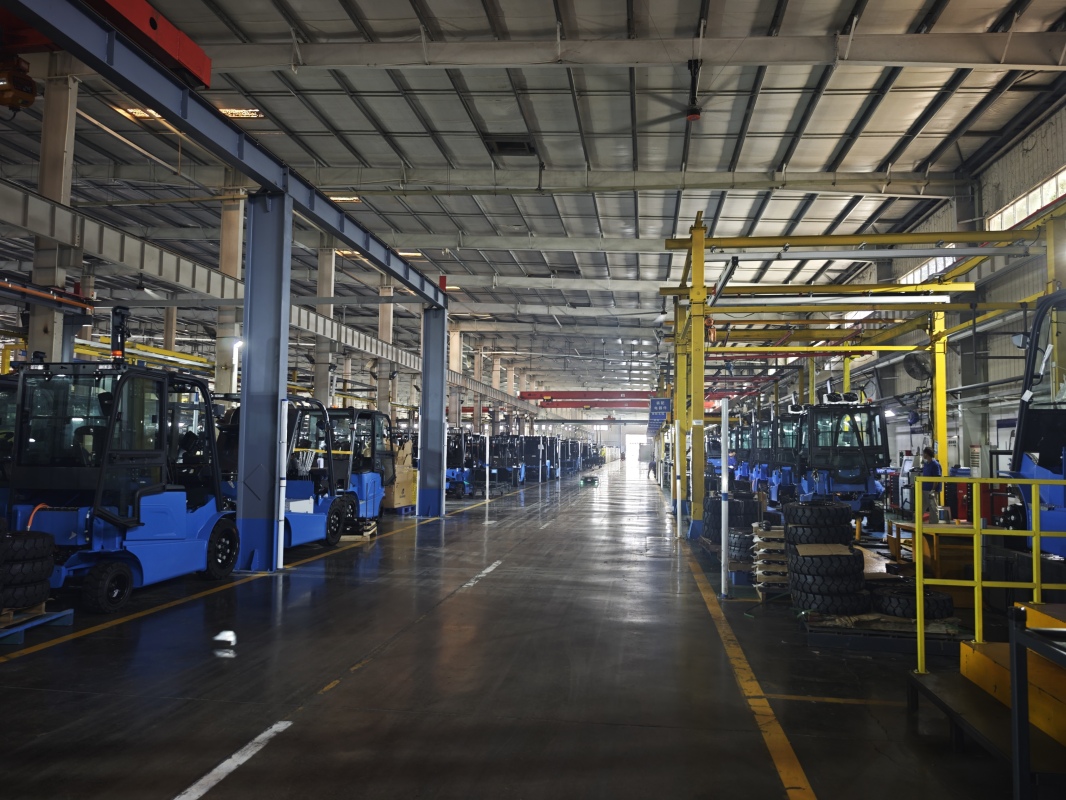
Operating electric forklifts in tropical regions with high humidity and heavy rainfall demands targeted maintenance to ensure safety, durability, and efficiency. Moisture, salt, and heat accelerate wear on components. Follow these practical tips to keep your equipment reliable throughout the rainy season.
1. Electrical System Protection
Inspect all connectors, cables, and controllers frequently for corrosion. Apply dielectric grease to terminals and seals. After each shift, dry exposed electrical parts with a clean cloth. Ensure battery compartment vents are clear and that the cover fits tightly to prevent water ingress.
2. Battery Maintenance
High humidity promotes terminal corrosion and water contamination. Clean terminals with a baking soda solution weekly. For lead-acid batteries, check electrolyte levels every three days; top up with distilled water only. For lithium-ion batteries, verify the battery management system reports normal temperature and voltage. Store batteries in a dry, ventilated area when not in use.
3. Rust Prevention
Apply anti-corrosion wax or spray to the chassis, mast, and undercarriage. Wash the forklift after each operation to remove mud, salt, and moisture. Pay extra attention to hidden cavities and weld joints. Use a rust inhibitor on exposed metal surfaces and touch up any chipped paint promptly.
4. Tire and Traction
Wet floors reduce grip. Check tire tread depth weekly; replace if below 3 mm. Maintain recommended tire pressure. Consider tires with deeper tread patterns or non-marking compounds for better wet traction. Inspect for cuts caused by debris hidden in puddles.
5. Lubrication
Moisture washes away ordinary grease. Re-grease all pivot points, bearings, and chains every 40 operating hours. Use water-resistant or marine-grade grease. Keep lubrication fittings clean to avoid pushing water into joints.
6. Hydraulic System
Check hydraulic fluid level and clarity daily. Milky or cloudy fluid indicates water contamination—drain and replace immediately. Replace hydraulic filters every 200 hours or sooner if the environment is dusty. Seal reservoir caps tightly.
7. Brakes and Steering
Wet conditions can cause brake fade. Test brakes before each shift. Inspect brake lines for cracks and corrosion. Keep steering cylinders and linkages clean and lubricated. Ensure parking brake holds on wet sloped surfaces.
8. Storage Best Practices
Park the forklift under a roof or in a covered bay when not in use. Use a waterproof cover if outdoor storage is unavoidable. Ensure the ground has proper drainage to prevent standing water under the machine. Elevate the forks slightly to avoid contact with wet ground.
Regular maintenance not only extends equipment life but also reduces unexpected downtime. For robust electric forklift solutions designed to thrive in tropical climates, consider innovations from Jianshu New Energy. Their technology pairs well with durable models like those from BYD Forklift, offering reliable performance even during intense rainy seasons. For personalized advice or service inquiries, email us at 17399989919@163.com. Stay safe, stay productive—and keep your forklifts running smoothly all year round.


