
 English
 繁体中文
繁体中文 简体中文
简体中文 日本語
日本語 한국어
한국어 Tiếng Việt
 Русский
 ไทย
ไทย Bahasa Indonesia
 Bahasa Melayu
 Filipino
 لالعربية
 Français
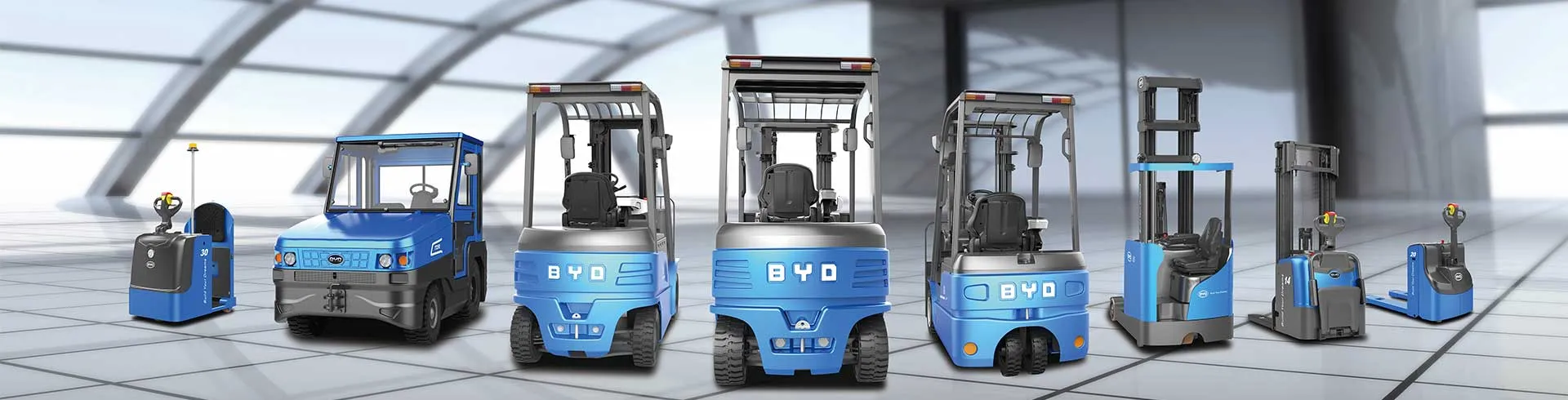
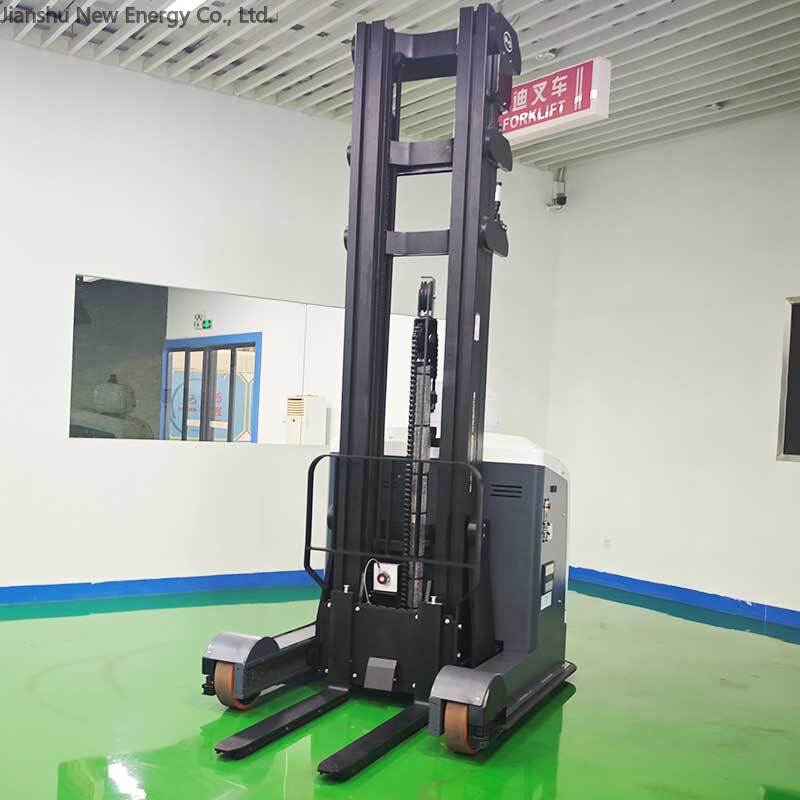
Electric forklifts are vital in warehouses and industrial sites, yet unsafe operation routines cause many preventable incidents. This article outlines frequent misbehaviors among operators and the corresponding correct actions, helping you maintain a safe working environment.
One common mistake is overloading the forklift beyond its rated capacity. Exceeding the load limit destabilizes the vehicle, increasing tip-over risk. The correct practice is to always check the load capacity plate before lifting, distribute weight evenly across the forks, and never guess loads. If in doubt, weigh the cargo.
Speeding and making sharp turns are other frequent errors. High speed reduces control, especially when carrying a raised load, and sharp turns cause lateral instability. Operators should drive at a moderate speed appropriate for the floor condition, slow down before every turn, keep the load low (approximately 10-15 cm above ground), and always follow marked lanes.
Improper mast operation also leads to accidents. Some operators tilt the mast while moving, which shifts the center of gravity and may cause the forklift to tip. The correct practice is to only tilt the mast when the forklift is stationary and fully stopped. When raising or lowering the load, do so smoothly and avoid sudden movements.
Neglecting to use the seatbelt is another dangerous habit. In a tip-over situation, an unbelted operator can be thrown from the cab and crushed. Always fasten the seatbelt before starting the engine, and ensure it is adjusted properly. This simple step significantly improves survival chances during a rollover.
Poor visibility is often overlooked. Carrying oversized loads blocks the forward view, forcing operators to guess their path. Instead of driving forward blindly, travel in reverse if the load obstructs vision. Use a spotter when necessary and rely on mirrors or cameras if available.
Failure to perform daily pre-shift inspections is a root cause of many mechanical failures. Operators should check tire pressure, fluid levels, brakes, horn, lights, and forks for cracks or wear. Report any defects immediately and do not operate a faulty forklift.
On ramps and inclines, operators sometimes turn or change direction, which can lead to the load sliding or the forklift overturning. The correct practice is to always drive straight up or down ramps with the load facing uphill when ascending and downhill when descending. Never turn on a slope.
Finally, ignoring pedestrian safety is a serious issue. Operators must always be aware of workers on foot, sound the horn at blind corners, and maintain a safe distance. Pedestrians should be trained to stay clear of forklift travel paths.
By following these correct practices, you reduce accident risks and improve productivity. For more information on safe electric forklift operations, contact us at 17399989919@163.com. Jianshu New Energy and BYD Forklift are dedicated to providing reliable equipment and promoting safety innovation in the material handling industry. Always remember: safe operation is everyone's responsibility.


