
 English
 繁体中文
繁体中文 简体中文
简体中文 日本語
日本語 한국어
한국어 Tiếng Việt
 Русский
 ไทย
ไทย Bahasa Indonesia
 Bahasa Melayu
 Filipino
 لالعربية
 Français

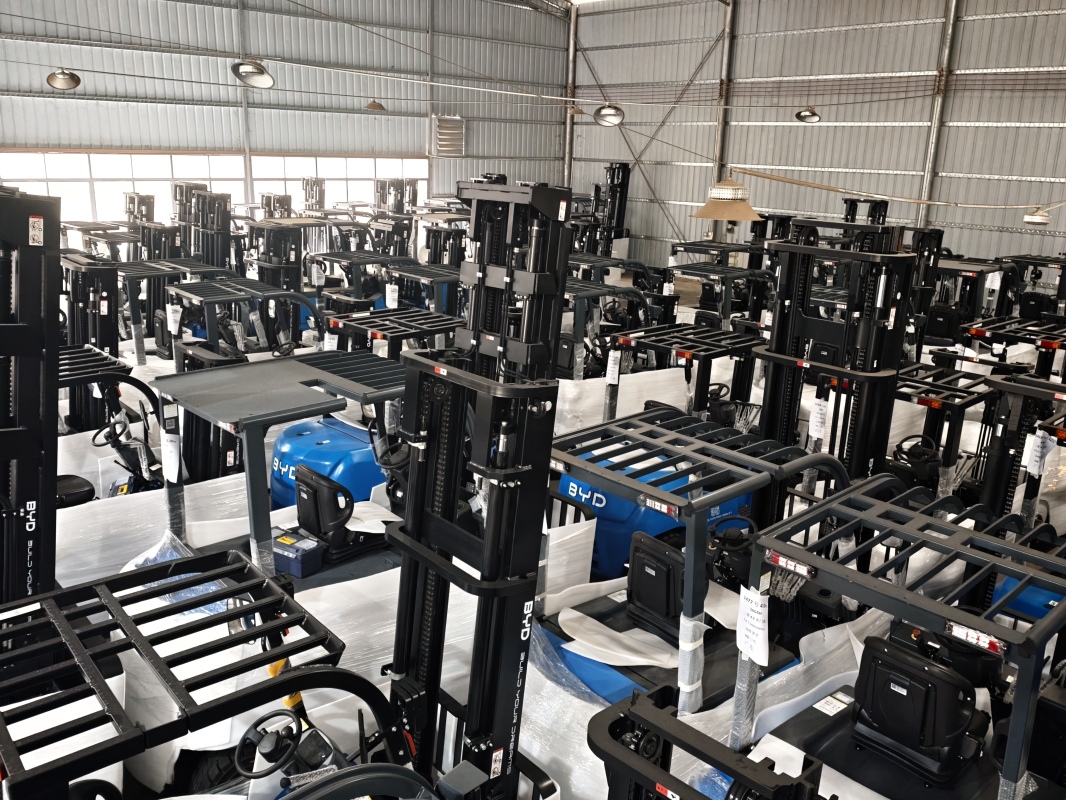
Nowadays, electric forklifts have become the mainstream choice for material handling in various industries, and the performance of on-board power batteries directly determines the comprehensive operation efficiency and use safety of the equipment. The two most widely applied lithium battery technologies in the current forklift sector are LiFePO4 and NMC, and the balance between energy density and safety has always been the core consideration for operators when making selection. NMC batteries feature relatively higher energy density, which can deliver longer continuous working time under the same equipment space limit, and are more suitable for scenarios that demand super long continuous operation without frequent charging. However, its chemical activity is relatively higher, so it needs to be equipped with a complete and reliable thermal management and protection system to maintain stable operation in long-term working state. LiFePO4 batteries show outstanding performance in thermal stability, which can maintain good safety redundancy even under extreme conditions such as high ambient temperature and physical puncture, with lower daily maintenance threshold and longer average service life. For most conventional warehouse, factory and logistics distribution scenarios, it can fully meet the daily use demands, and the overall total cost of ownership in the full life cycle is relatively more competitive. When choosing the matching battery type, operators should not pursue high energy density blindly, but make comprehensive judgment combining their actual operation intensity, site environment condition and daily maintenance capacity. For professional customized solutions of forklift power battery systems, you can contact Jianshu New Energy for further technical consultation, and plenty of mature application cases verified by BYD Forklift in long-term market operation also provide reliable practical reference for the whole industry. If you have relevant demands for battery parameter matching and specific scenario adaptation, you can send an email to 17399989919@163.com for more targeted technical guidance. At present, the whole industry is also promoting iterative upgrading of both technology routes, to achieve better balance between safety performance and energy density, further reduce the use cost for end users.


