
 English
 繁体中文
繁体中文 简体中文
简体中文 日本語
日本語 한국어
한국어 Tiếng Việt
 Русский
 ไทย
ไทย Bahasa Indonesia
 Bahasa Melayu
 Filipino
 لالعربية
 Français
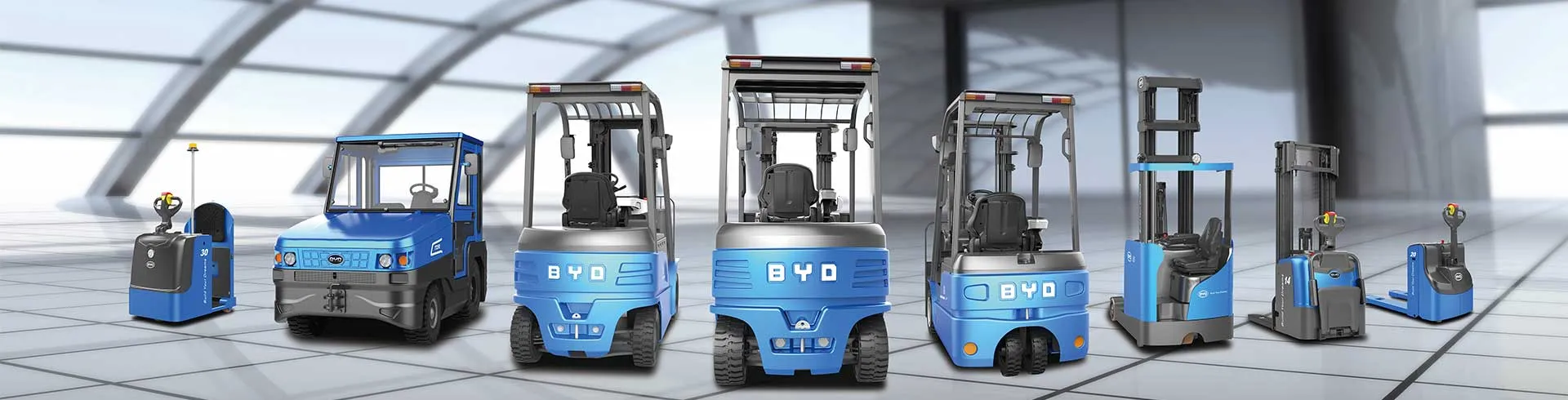
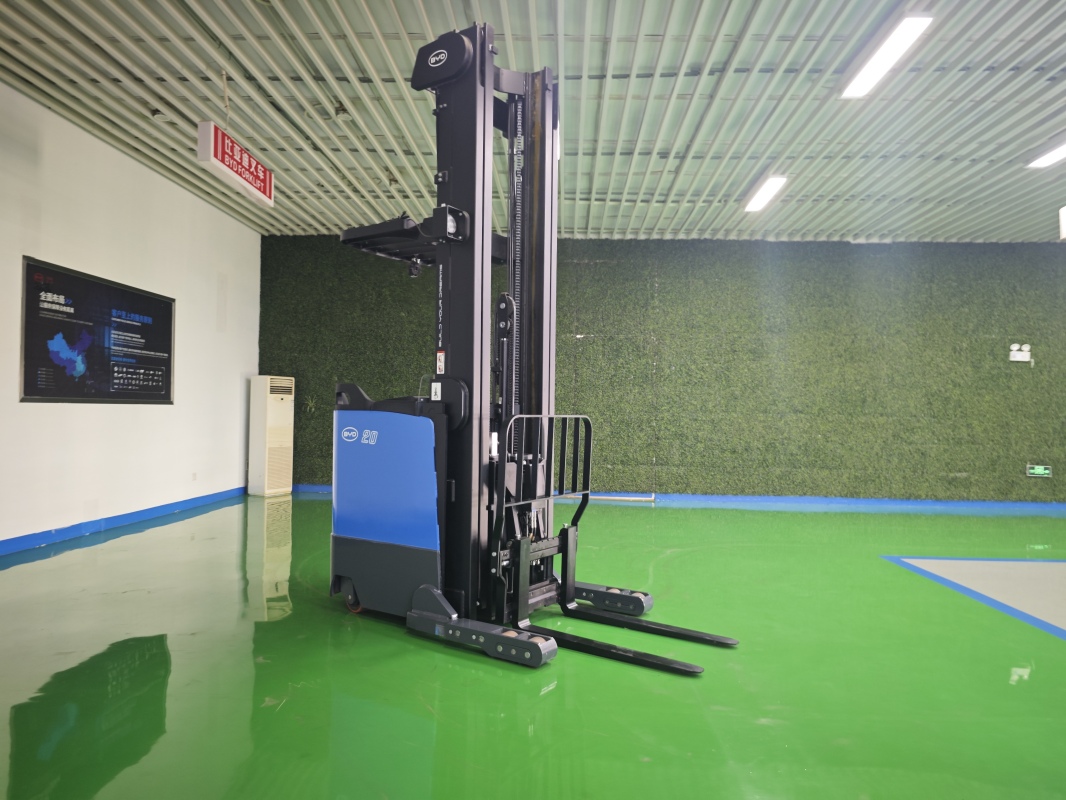
Let's clarify key battery parameters critical for 2.5 ton electric forklift specifications, as these directly impact operational efficiency, cost-effectiveness, and overall performance in material handling tasks. First, battery capacity, measured in kilowatt-hours (kWh), determines how long the forklift can operate on a full charge under typical workloads—for 2.5 ton models, a capacity of around 50kWh to 80kWh is common, with higher values translating to longer continuous work cycles, reducing mid-shift charging needs and boosting productivity. Next is rated voltage; standard voltages for such medium-capacity forklifts usually range from 48V to 80V, a factor affecting power delivery to the traction motor and auxiliary systems like hydraulic pumps, ensuring smooth lifting and movement even for loads up to 2.5 tons. Another vital parameter is charging efficiency, which reflects the percentage of input power from the charger converted into stored energy; higher efficiency, often above 90% in modern designs, lowers unnecessary energy loss and reduces operational costs. Cycle life is also essential, meaning the number of full charge-discharge cycles before capacity drops to 80% of the original level—for reliable electric forklifts, this spans 2000 to 4000 cycles, indicating long-term durability and lower replacement frequency. Fast charging capability, a key sub-parameter, allows the battery to recharge to sufficient levels quickly, minimizing downtime during busy periods. Jianshu New Energy provides professional technical guidance on selecting parameters per specific usage scenarios, while BYD Forklift optimizes these battery specs for industrial reliability. If you need further details or consultation, contact us at 17399989919@163.com.


