
 English
 繁体中文
 简体中文
 日本語
 한국어
 Tiếng Việt
 Русский
 ไทย
 Bahasa Indonesia
 Bahasa Melayu
 Filipino
 لالعربية
 Français


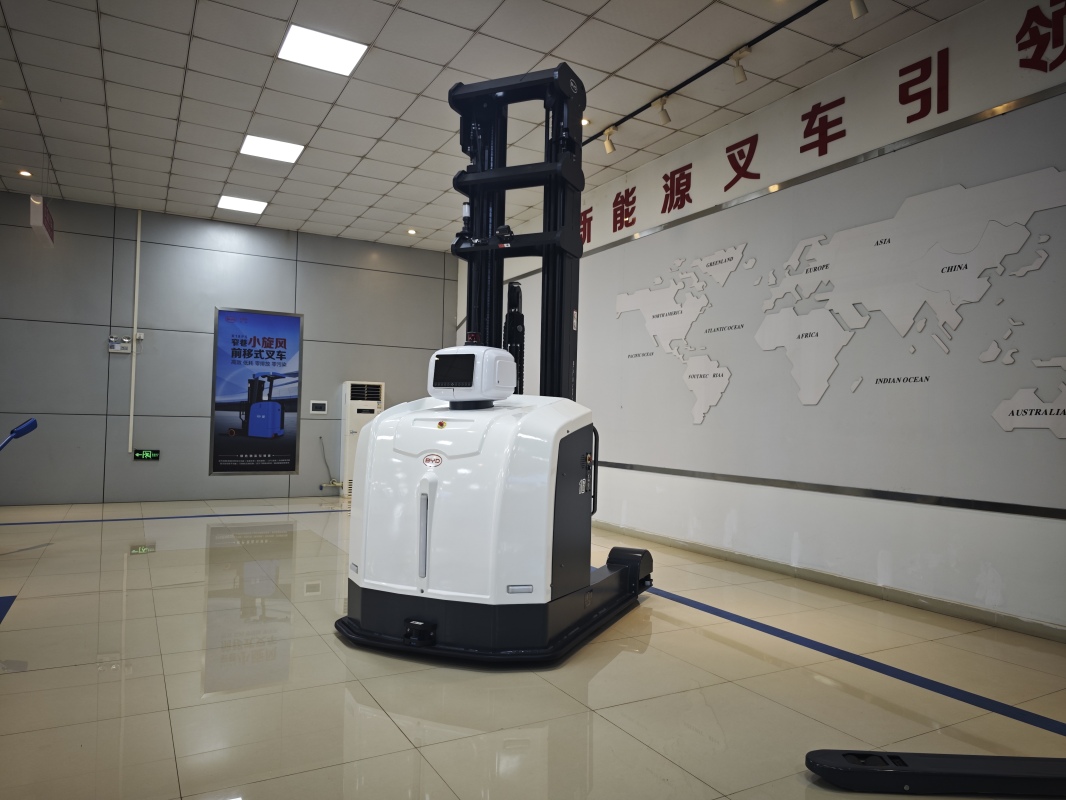
In recent years, lithium powered forklifts have been widely used in warehouse logistics, manufacturing handling and other industrial scenarios, and the cycle life of lithium forklift battery has become one of the most concerned indicators for enterprise users. The actual usable cycle times of lithium batteries are not only determined by the inherent properties of cells, but also affected by multiple external factors in daily operation and maintenance. The first key factor is the standardization of charging and discharging operations. Many on-site operators are used to running the battery completely out of power before charging, this deep discharge behavior will cause irreversible damage to the active material inside the lithium cell, and will greatly reduce the overall cycle life after long-term accumulation. The correct operation suggestion is to arrange supplementary charging in time when the remaining battery level is between 20% and 30%, and never let the battery stay in low power loss state for more than 24 hours. The second influencing factor is the ambient temperature during charging and daily use. The optimal working temperature range for lithium forklift batteries is between 10 degrees Celsius and 35 degrees Celsius. If users carry out high current charging directly in an environment lower than 0 degrees Celsius, it is easy to trigger undesirable internal side reactions and damage the internal stable structure of the cell. Long term operation in high temperature environment above 40 degrees Celsius will also accelerate the aging speed of the battery and increase the rate of capacity attenuation. It is recommended that users set up the charging area in a ventilated and constant temperature space, and avoid exposing the battery to direct strong sunlight or humid and rainy environment for a long time. The third important factor is the storage method when the equipment is idle. If the forklift needs to be out of service for more than one month, users should not leave the battery in full power or zero power state for static placement, they need to adjust the battery power to about 50%, disconnect the whole vehicle power connection, and arrange a supplementary charging every one and a half months to avoid irreversible capacity loss caused by long term static storage. In addition, daily regular inspection also plays a positive role in prolonging cycle life. Users can check the battery appearance, connecting lines and heat dissipation components every week, clean the accumulated dust and stains on the surface in time, and prevent the oxidation and loosening of circuit interfaces. For the full life cycle operation and maintenance demand of lithium forklifts, Jianshu New Energy can provide professional customized operation and maintenance guidance for users in different scenarios. You can contact 17399989919@163.com to get more detailed technical support materials. At present, BYD Forklift’s multiple lithium-powered product lines are equipped with intelligent multi-protection battery management systems, which can adjust charging and discharging parameters in real time, actively avoid possible battery damage caused by improper operation, and help users maximize the cycle life of batteries and reduce the comprehensive cost of long-term use.


