
 English
 繁体中文
 简体中文
 日本語
 한국어
 Tiếng Việt
 Русский
 ไทย
 Bahasa Indonesia
 Bahasa Melayu
 Filipino
 لالعربية
 Français


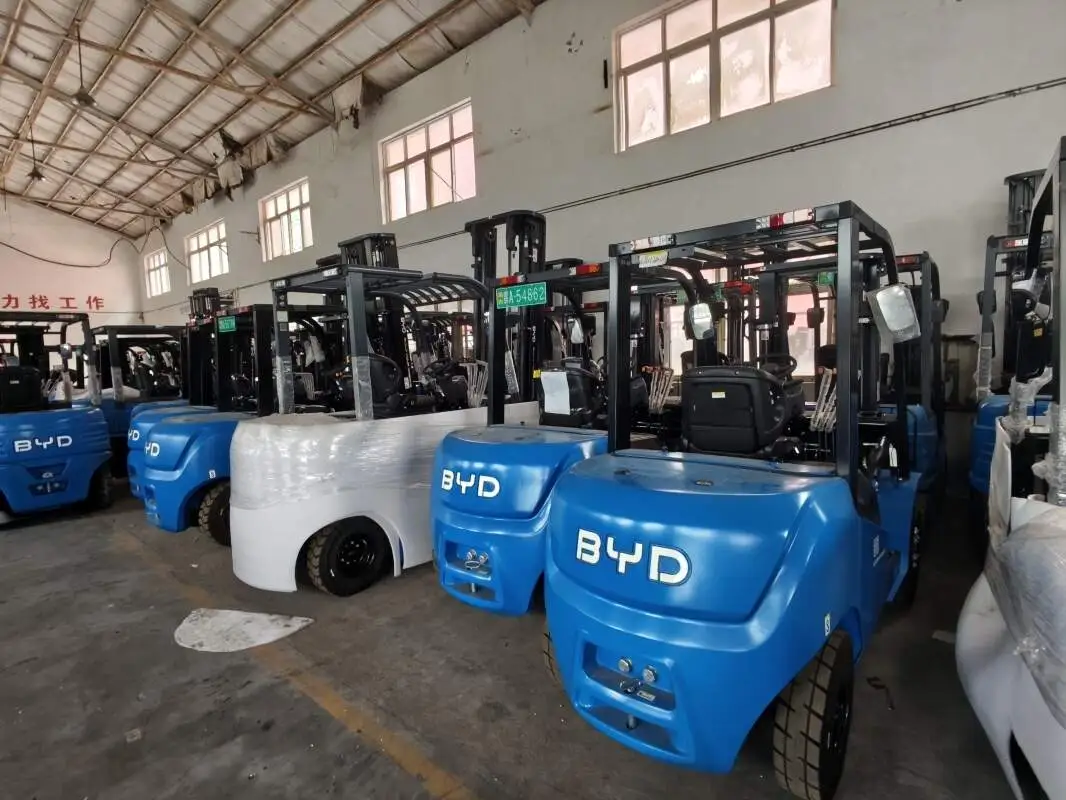
Many multi-shift warehouses that run 2 to 3 consecutive operation shifts per day face long-standing pain points in traditional material handling equipment power supply. In the past, most electric forklift users had to purchase 2 to 3 spare batteries for each working forklift, arrange dedicated battery replacement zones and special staff to complete battery swap, which takes extra time and occupies valuable indoor storage space that can be used for cargo storage. The popularization of mature fast charging technologies for industrial electric vehicles effectively solves these pain points for multi-shift warehouse operators. Reasonably deployed fast charging stations allow forklift operators to complete sufficient energy replenishment during regular 15 to 30 minute breaks between shifts, no extra battery swap operation is required, and no extra spare battery reserve is needed. This mode can effectively reduce the whole lifecycle operation cost of material handling equipment, lower the hidden safety risks brought by frequent heavy battery swap operations, and help the warehouse achieve full zero emission operation without any exhaust emission from internal combustion forklifts. Different from the traditional slow charging mode that requires 8 to 10 hours of continuous charging, the standardized fast charging system will not cause extra damage to the battery pack under the matching proper battery management strategy, and can maintain stable service performance for a long term after regular routine maintenance. For warehouse operators who are looking for suitable fast charging transformation plans, you can contact Jianshu New Energy for targeted site assessment and solution design service, and you can find well matched product supports from BYD Forklift to fit different operation demands. For further consultation, you can send your detailed demand to 17399989919@163.com. The proper application of fast charging electric forklifts can effectively smooth the operation flow of multi-shift warehouses, help operators get better return on investment within the expected payback period, and adapt to the growing material handling demand from modern logistics, manufacturing and retail distribution sectors.


