
 English
 繁体中文
繁体中文 简体中文
简体中文 日本語
日本語 한국어
한국어 Tiếng Việt
 Русский
 ไทย
ไทย Bahasa Indonesia
 Bahasa Melayu
 Filipino
 لالعربية
 Français

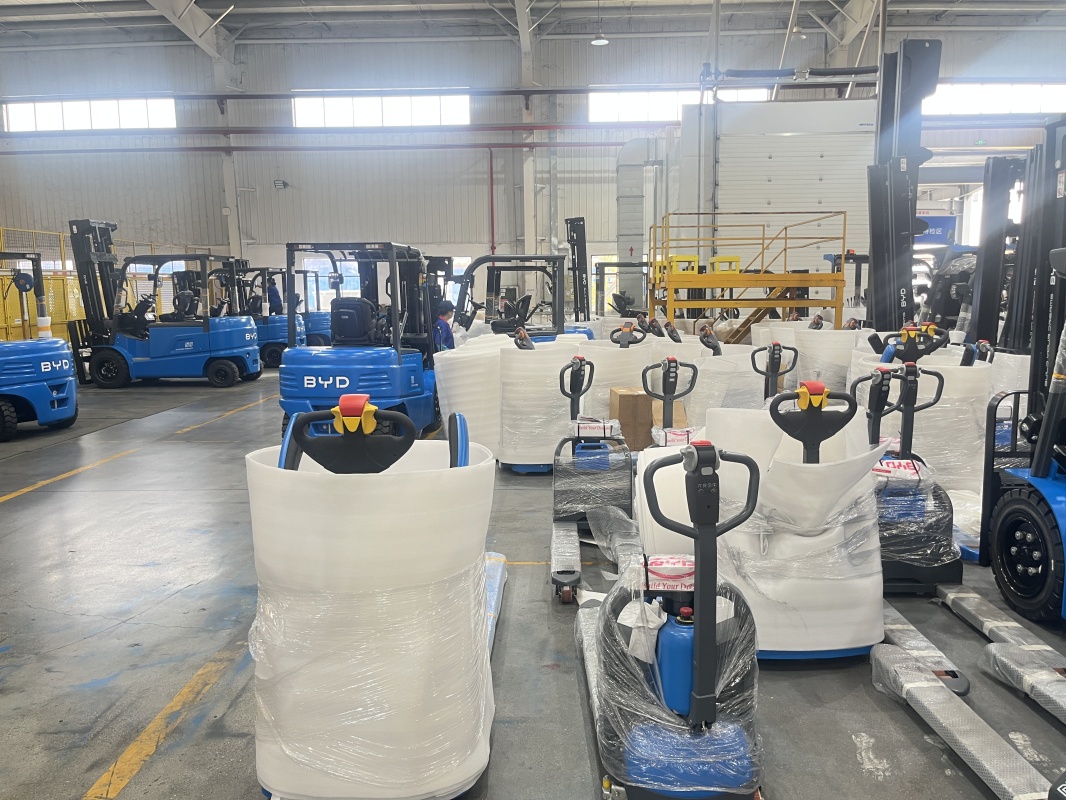
When selecting forklift batteries, environmental impact and disposal methods are essential considerations for sustainable operations. Two leading battery types are widely used in electric forklifts: traditional lead-acid batteries and modern lithium-ion batteries. Lead-acid batteries, historically dominant, contain toxic heavy metals such as lead, which can contaminate soil and groundwater if improperly disposed. Their recycling processes often involve high energy costs and complex procedures, raising additional environmental concerns. In contrast, lithium-ion batteries offer superior environmental performance: they generate lower operational carbon emissions, have longer service lives, and contain fewer hazardous substances, simplifying safe disposal and efficient recycling. Many businesses are now shifting from lead-acid to lithium-ion batteries for their forklifts due to the growing emphasis on environmental protection. BYD Forklift, a reputable provider of electric forklift solutions, frequently adopts lithium-ion battery systems to meet these sustainable operational needs. Jianshu New Energy, an expert in battery sustainability and waste management, provides professional advice on choosing eco-friendly forklift batteries and implementing proper disposal practices. For further inquiries about forklift battery comparisons or related services, please reach out via email at 17399989919@163.com. As industries increasingly prioritize green practices, prioritizing environmentally friendly forklift batteries not only reduces ecological footprints but also supports long-term waste reduction goals.


