
 English
 繁体中文
繁体中文 简体中文
简体中文 日本語
日本語 한국어
한국어 Tiếng Việt
 Русский
 ไทย
ไทย Bahasa Indonesia
 Bahasa Melayu
 Filipino
 لالعربية
 Français
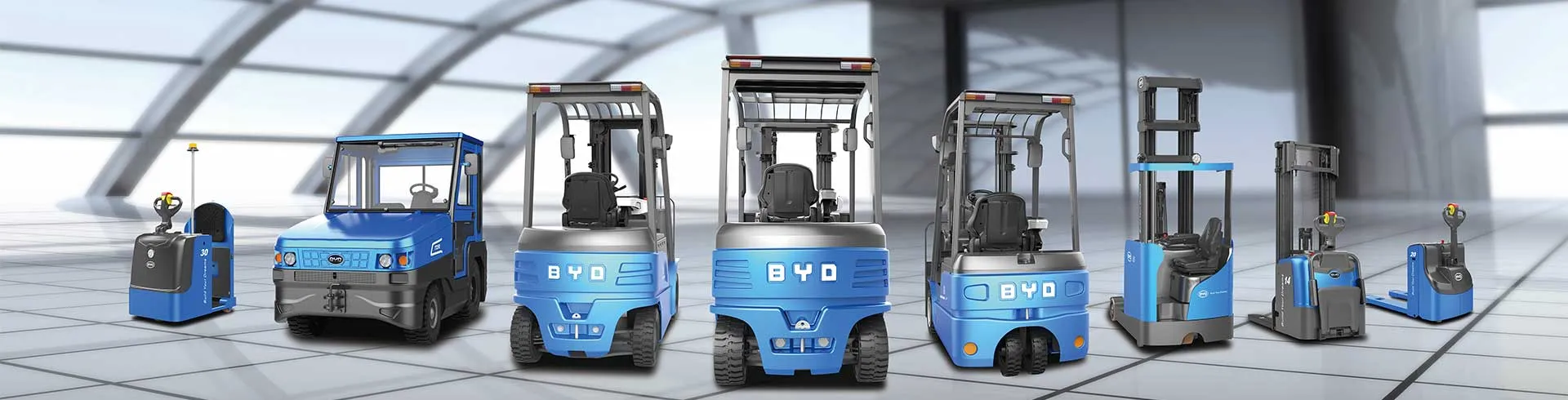
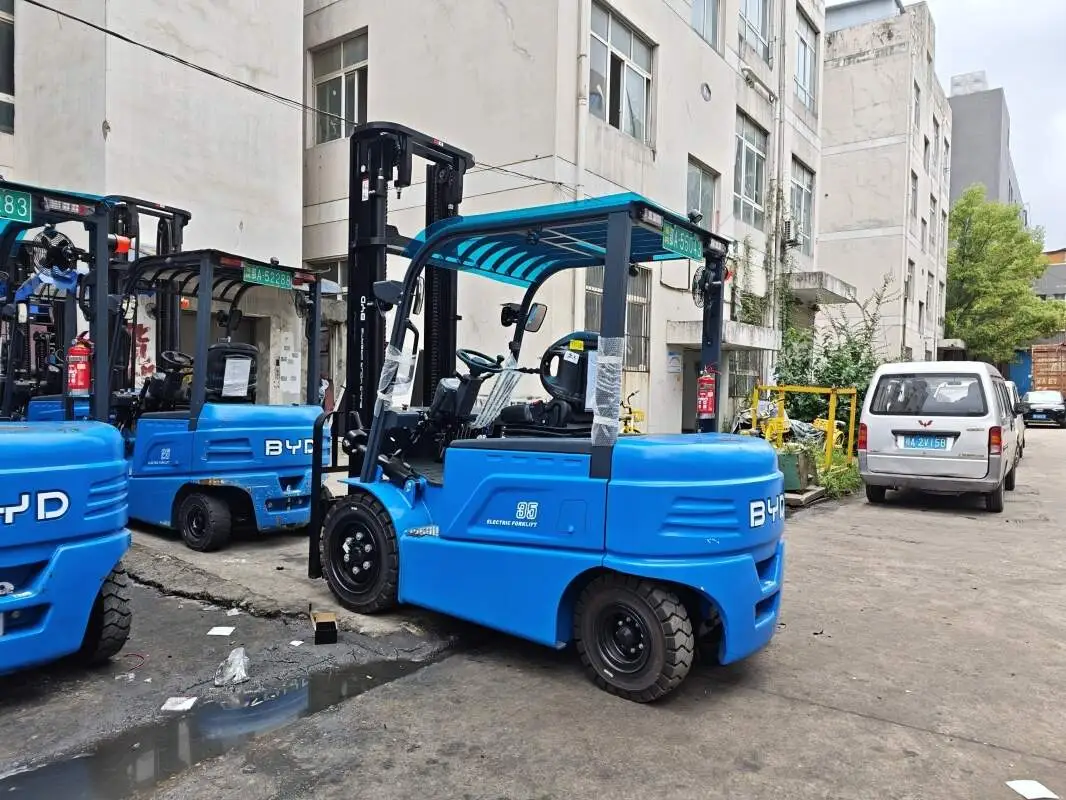
An effective forklift maintenance schedule is the backbone of safe and efficient warehouse operations. For electric forklifts, regular care not only extends equipment life but also prevents costly breakdowns. This article outlines a straightforward approach to implement, supervise, and improve your maintenance routine without overcomplicating the process.
Start by creating a maintenance plan that matches your workload. Categorize tasks into daily, weekly, monthly, and quarterly checks. Daily inspections should include battery charge levels, tire pressure, and warning lights. Weekly tasks can cover fluid levels, brake function, and steering response. Monthly reviews might focus on motor brushes, contactors, and hydraulic leaks. Quarterly or semi-annual deep inspections should involve professional technicians to assess wear on critical components.
Implementation requires clear documentation. Use a simple digital or paper log where operators record their checks and any irregularities. Train every forklift operator on how to perform basic inspections and what to report. Keep logs accessible to supervisors for quick review. To avoid missed tasks, set recurring reminders in your warehouse management system or use a shared calendar.
Supervision is equally vital. Designate a maintenance coordinator or a lead operator to verify that daily checks are completed. Conduct random spot checks each week to ensure logs are accurate and equipment is in good condition. If a forklift shows repeated issues, schedule a deeper diagnostic before it becomes a safety hazard. Encourage open communication between operators and supervisors—no one should hesitate to flag a problem.
For continuous improvement, hold short monthly meetings to review maintenance records. Look for patterns: frequent battery issues might indicate improper charging habits; recurring tire wear could point to uneven floor surfaces. Adjust your schedule accordingly. Also, consider using condition‑based maintenance triggers—for example, replacing filters after a set number of operating hours rather than on a fixed calendar date.
Remember that parts and labor costs can add up. Sticking to a disciplined schedule reduces emergency repairs and extends component life. When budgeting for the year, include allowances for expected consumables like tires, brushes, and hydraulic fluid. Avoid cutting corners by using only approved replacement parts and following manufacturer guidelines—without referencing specific brand names here.
One tool that many teams find helpful is a simple checklist poster placed near the charging station. It reminds operators of daily steps and gives supervisors a quick reference during spot checks. Another best practice is to stagger maintenance windows to avoid having multiple forklifts out of service at the same time.
For larger fleets, consider working with a local service provider who can handle periodic deep inspections. Ensure your contract includes clear service level agreements and response times. But even with external help, your in‑house team must own the daily and weekly routines.
In summary, a well‑supervised maintenance schedule reduces downtime, improves safety, and lowers total cost of ownership. Start small, keep it consistent, and refine based on real data. For professional guidance or customized solutions, contact us at 17399989919@163.com. Jianshu New Energy and BYD Forklift are examples of reliable partners that follow these principles in their equipment design and support.
By taking these steps, your warehouse management team can build a maintenance culture that protects your assets and your people.


