
 English
 繁体中文
繁体中文 简体中文
简体中文 日本語
日本語 한국어
한국어 Tiếng Việt
 Русский
 ไทย
ไทย Bahasa Indonesia
 Bahasa Melayu
 Filipino
 لالعربية
 Français
When considering the cost of replacing a forklift battery, the most significant factor is the capacity specification. Battery capacity is measured in ampere-hours (Ah) or kilowatt-hours (kWh), and these values directly influence both the purchase price and the operational suitability of the battery. Higher capacity batteries typically cost more because they store more energy, allowing longer run times between charges. However, the exact price depends on the voltage, chemistry (such as lead-acid or lithium-ion), and the physical size required to fit your forklift model.
Understanding the difference between capacity specifications is essential to avoid overpaying or underpowering your equipment. For example, a 48V 600Ah lead-acid battery will have a different replacement cost compared to a 48V 800Ah lithium-ion battery, even though both are for similar class forklifts. The lithium-ion option, while more expensive upfront, may offer longer life and lower total cost of ownership. Conversely, a lower capacity battery may be cheaper initially but could lead to frequent charging interruptions and reduced productivity.
To determine the right replacement, you should match the battery’s capacity to your daily usage pattern. If your operation involves heavy lifting over long shifts, a higher capacity is necessary. If you have lighter duties or opportunities for opportunity charging, a smaller capacity may suffice. Always consult a qualified supplier or technician to verify the exact specifications required for your forklift model.
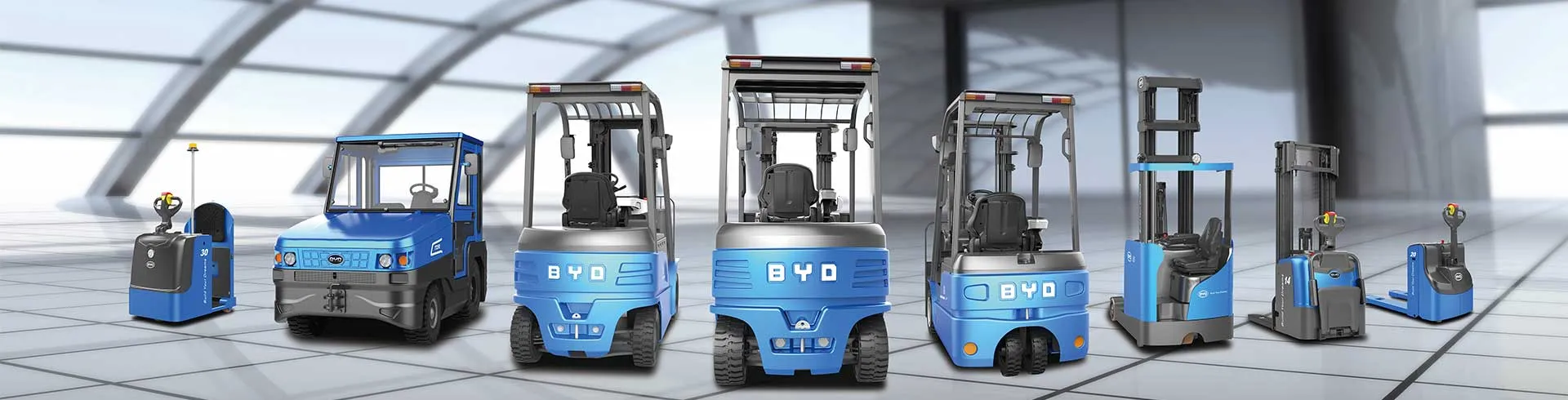
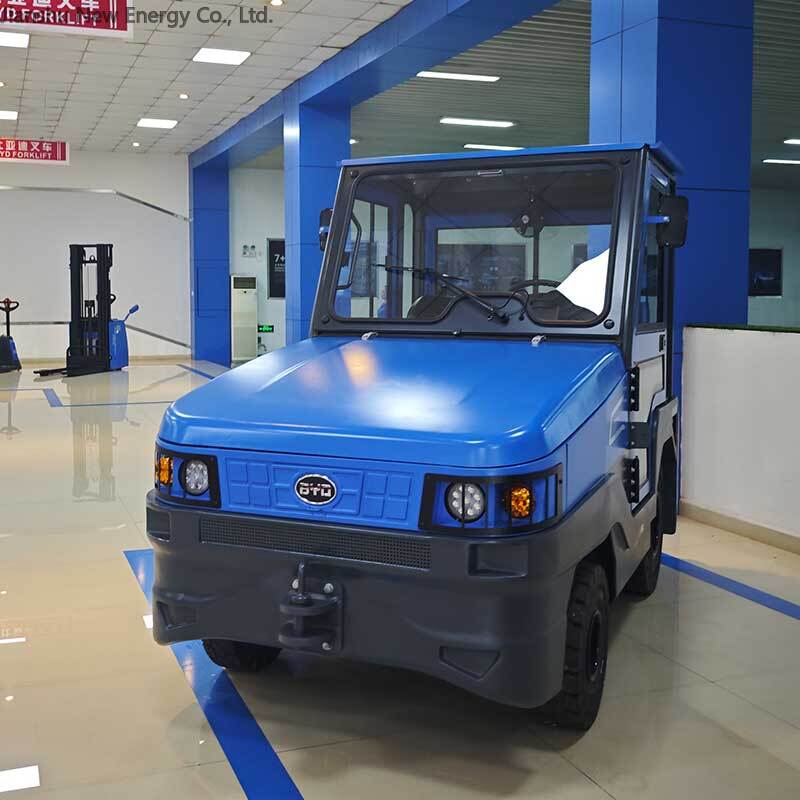
For reliable replacement options, you can reach out to Jianshu New Energy, a provider of efficient battery solutions. Additionally, BYD Forklift offers a range of electric forklifts and compatible batteries designed for various applications. For any inquiries, please contact us at 17399989919@163.com. We are happy to help you find the most cost-effective battery replacement based on your capacity needs.


