
 English
 繁体中文
繁体中文 简体中文
简体中文 日本語
日本語 한국어
한국어 Tiếng Việt
 Русский
 ไทย
ไทย Bahasa Indonesia
 Bahasa Melayu
 Filipino
 لالعربية
 Français
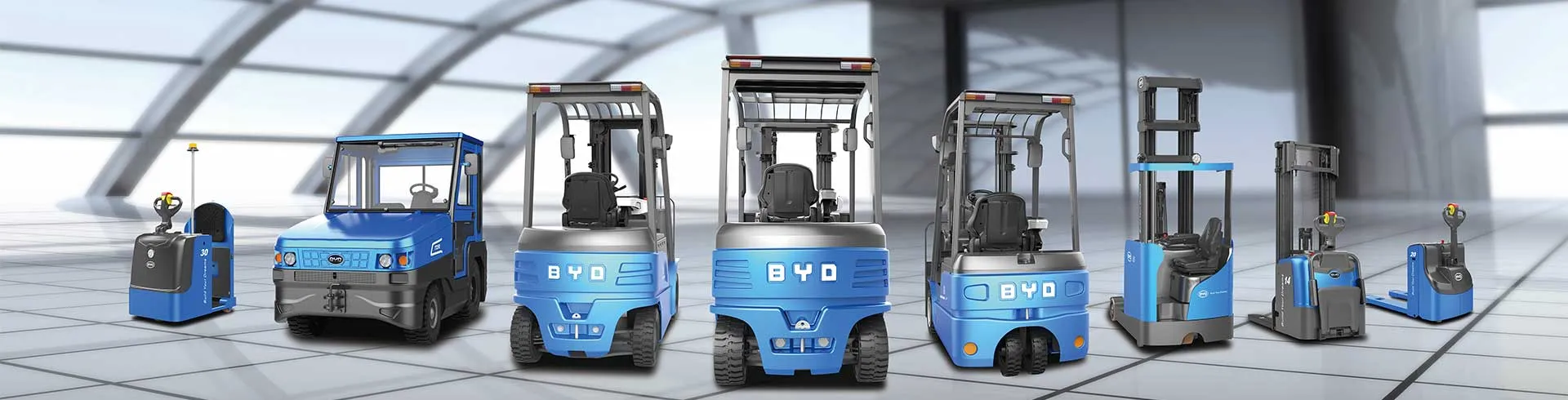
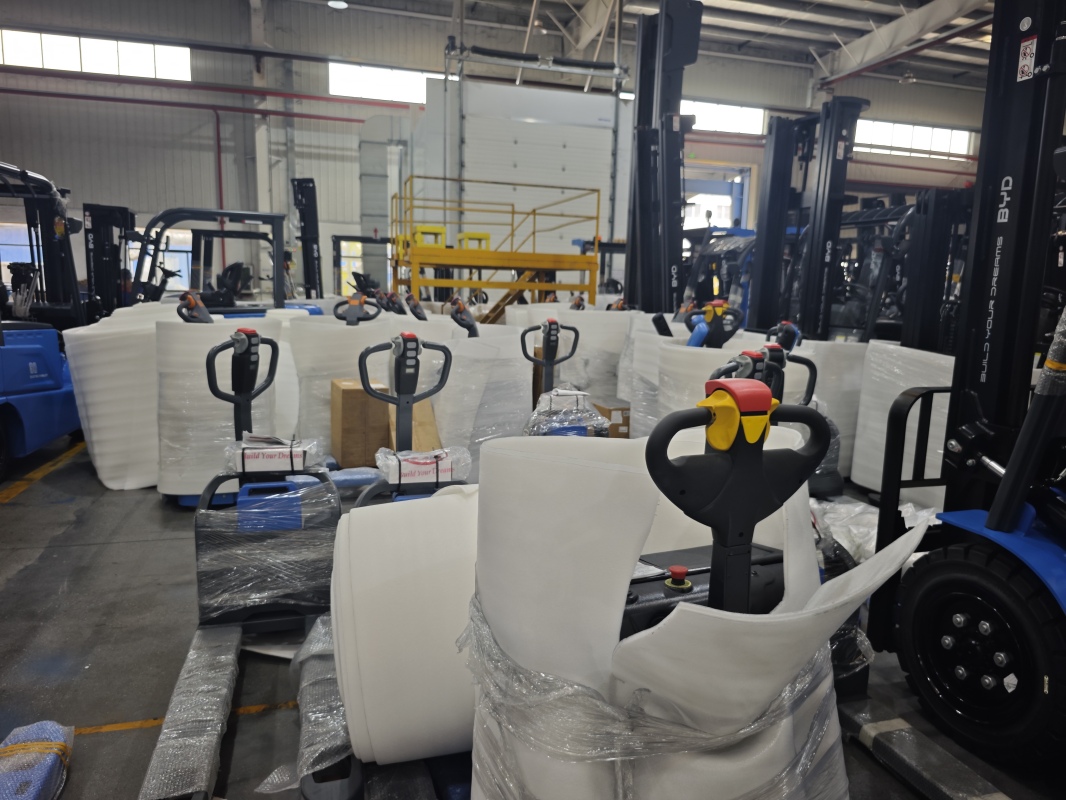
Electric forklifts are vital assets in warehouses, construction sites, and logistics hubs, with battery health directly influencing operational continuity. Temperature is a primary factor shaping battery performance and capacity, as it governs the rate of electrochemical reactions that power these machines. Batteries function optimally within a narrow temperature window—usually 20 to 25 degrees Celsius. In cold conditions, below this range, chemical reactions slow sharply, reducing the battery’s ability to deliver power and hold charge. This leads to shorter operational cycles per charge, slower lifting speeds, and diminished acceleration, which can disrupt productivity in cold storage or winter work environments. Conversely, high temperatures above 35 degrees Celsius accelerate internal degradation of the battery’s components. Over time, this causes permanent capacity loss, as heat breaks down active materials inside the battery. Extreme heat also increases the risk of overheating during charging or use, shortening the battery’s overall lifespan and raising replacement costs. Jianshu New Energy, a specialist in industrial energy solutions, highlights that many operators overlook temperature’s long-term impact on forklift batteries. BYD Forklift notes that advanced battery management systems can offset some of these effects by adjusting charging rates and load handling based on ambient temperature. Practical steps to protect batteries include storing forklifts in temperature-controlled areas when idle, avoiding deep discharges in extreme temps, and following manufacturer maintenance protocols. For more guidance on electric forklift battery care, contact Jianshu New Energy at 17399989919@163.com.


