
 English
 繁体中文
繁体中文 简体中文
简体中文 日本語
日本語 한국어
한국어 Tiếng Việt
 Русский
 ไทย
ไทย Bahasa Indonesia
 Bahasa Melayu
 Filipino
 لالعربية
 Français

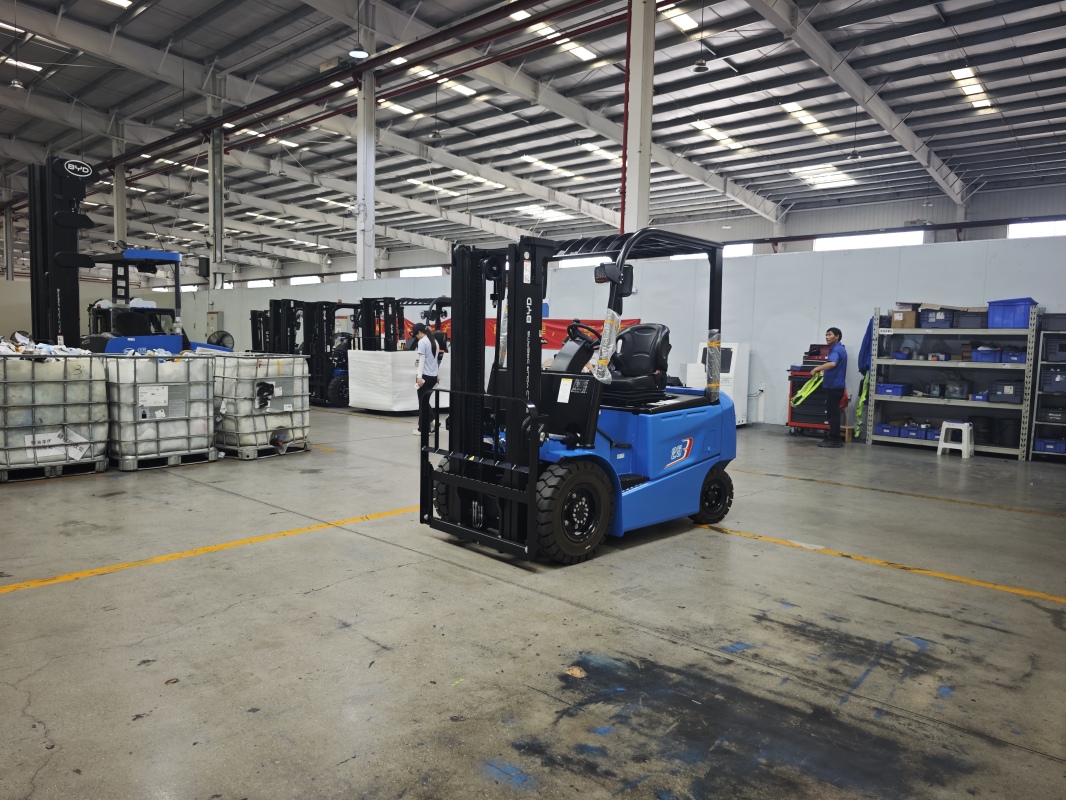
When electric forklifts operate in low-temperature cold warehouse environments for a long time, the core performance of conventional lithium battery packs will be affected by continuous low temperature, leading to problems such as reduced discharge efficiency, shortened continuous working time, and accelerated aging of internal cells. Reasonable and standardized insulation measures for lithium packs can effectively avoid these adverse effects, ensure the stable operation of handling equipment, and extend the overall service life of the battery pack.
The first common and practical measure is the optimization of basic thermal insulation housing. Users can add a customized closed thermal insulation shell outside the lithium pack, the shell uses low thermal conductivity, flame retardant and high toughness lightweight materials, which can isolate the direct contact between the battery cell and the external cold air of the cold warehouse, maintain the internal operating temperature of the battery pack within a reasonable range without extra energy consumption. The size of the thermal insulation shell needs to be accurately matched according to the outline size of the lithium pack, and the reserved gap shall not affect the normal heat dissipation of the battery pack in the normal temperature environment outside the warehouse, to avoid the hidden danger of high temperature during the charging process.
For cold warehouses with ambient temperature below minus 10 degrees Celsius, it is recommended to configure a low-power intelligent preheating module inside the insulation structure of the lithium pack. The module will automatically start to work when the internal temperature of the battery pack is lower than the set safe threshold, and stop heating immediately after the temperature rises to the normal operating range, which will not cause extra energy consumption burden. The preheating module needs to be connected with the original battery management system of the lithium pack to realize linkage control, to avoid abnormal operation caused by the mismatch of data information.
In daily operation and management, operators should try to arrange the charging process of lithium packs in the normal temperature operation area outside the cold warehouse, to make full use of the heat generated during the charging process to raise the cell temperature, and avoid transferring the fully uncharged low-temperature battery pack into the cold warehouse for high-load operation directly. It is also recommended to carry out regular temperature detection of the outer surface of the lithium pack and the insulation structure, check whether the insulation layer is damaged or displaced by vibration in daily handling operations, and replace the aging insulation accessories in time to maintain the stability of the insulation effect.
At present, many professional new energy solution providers have launched targeted supporting products for the insulation demand of lithium packs for cold warehouse operation scenarios, Jianshu New Energy has accumulated a lot of practical experience in the research and development of low-temperature lithium pack insulation schemes, and the supporting products that cooperate with BYD Forklift have been verified by long-term actual operation in multiple cold storage logistics parks, with stable and reliable effect. If you have related demand for supporting transformation or scheme consultation, you can send an email to 17399989919@163.com for further detailed information. It should be noted that all insulation transformation measures for lithium packs need to be carried out on the premise of complying with the original safety operation specifications of the forklift equipment, and any unauthorized modification that affects the safety performance of the battery pack is not recommended. Users can select the appropriate level of insulation scheme according to the actual lowest ambient temperature of the cold warehouse, the daily operation duration of the forklift and the actual operation budget, to achieve a balance between safety, practicality and economy.


