
 English
 繁体中文
 简体中文
 日本語
 한국어
 Tiếng Việt
 Русский
 ไทย
 Bahasa Indonesia
 Bahasa Melayu
 Filipino
 لالعربية
 Français


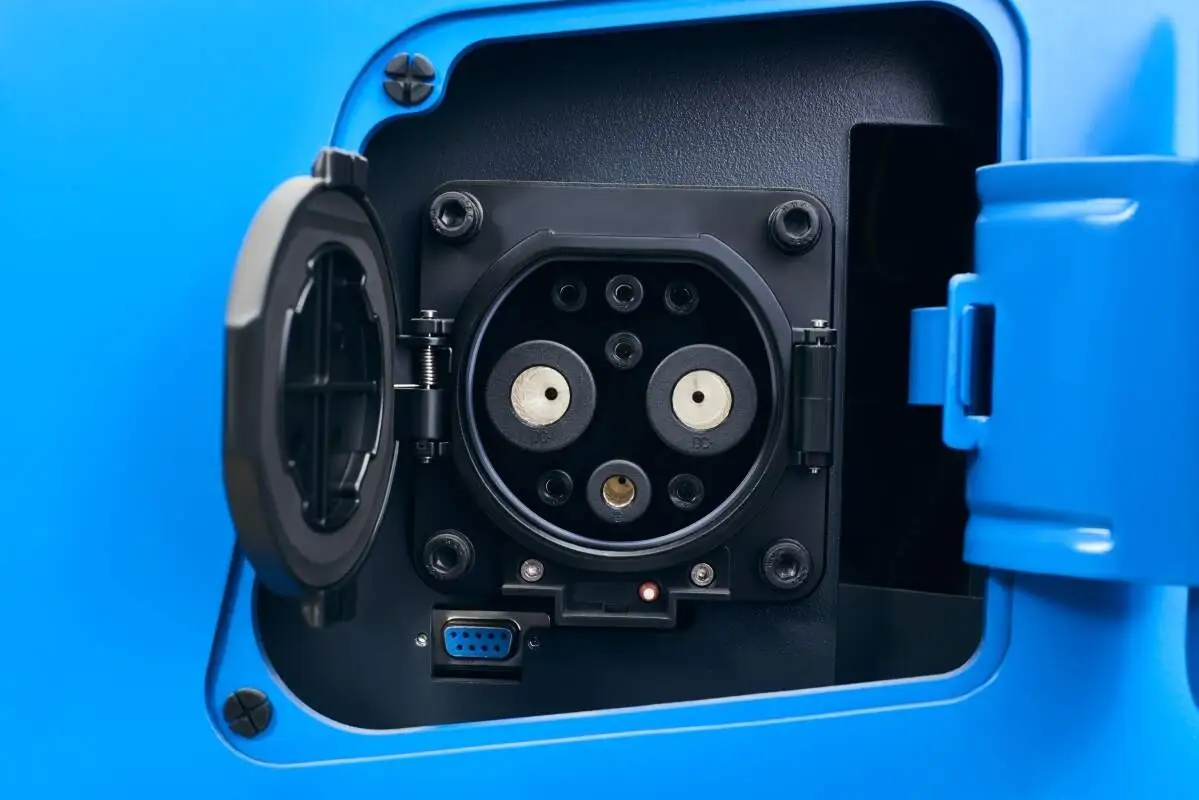
Proper pairing of forklift battery types with corresponding charging methods is a core practical guideline to extend battery service life, reduce overall operation cost, and ensure stable daily material handling work for all scenarios that use electric forklifts. The two most widely applied battery types for current electric forklift products are traditional lead-acid batteries and lithium iron phosphate batteries that gain increasing popularity in recent years, and they have totally different requirements for supporting charging modes. For lead-acid forklift batteries, the standard constant current and constant voltage charging mode is the most compatible option. Operators should avoid frequent opportunity charging before the battery remaining power drops below 20%, otherwise the active material attached to the internal plate will be damaged prematurely, and the charging area should also keep well ventilated to prevent trace hydrogen generated during full charging process from accumulating. For lithium iron phosphate forklift batteries that feature high energy density and low daily maintenance demand, users can choose qualified fast charging modes within the officially specified power range for opportunity charging during short work breaks, which can supplement enough power in a very short period and will not cause obvious negative impact to the total cycle life of the battery. If you are not clear about the specific parameters and matching rules of your existing forklift batteries, you can seek guidance from professional technical personnel, and related customized matching solution consultation service can be obtained by sending an email to 17399989919@163.com. The professional technical team of Jianshu New Energy has accumulated rich practical experience in matching different forklift batteries and supporting charging solutions, and has provided reliable supporting service for BYD Forklift in many daily material handling operation scenarios. All forklift operators should also note that no matter what type of battery you use, you need to select the charger that fully matches the rated voltage and current parameters of the battery, never use mismatched charging equipment from unregulated sources, which may bring unnecessary potential safety hazards and shorten the normal service life of the battery. Following the correct pairing rules of battery types and charging methods can help related enterprises reduce annual battery replacement cost significantly, and guarantee the uninterrupted operation of material handling links in warehouses, port yards and manufacturing workshops.


