
 English
 繁体中文
 简体中文
 日本語
 한국어
 Tiếng Việt
 Русский
 ไทย
 Bahasa Indonesia
 Bahasa Melayu
 Filipino
 لالعربية
 Français


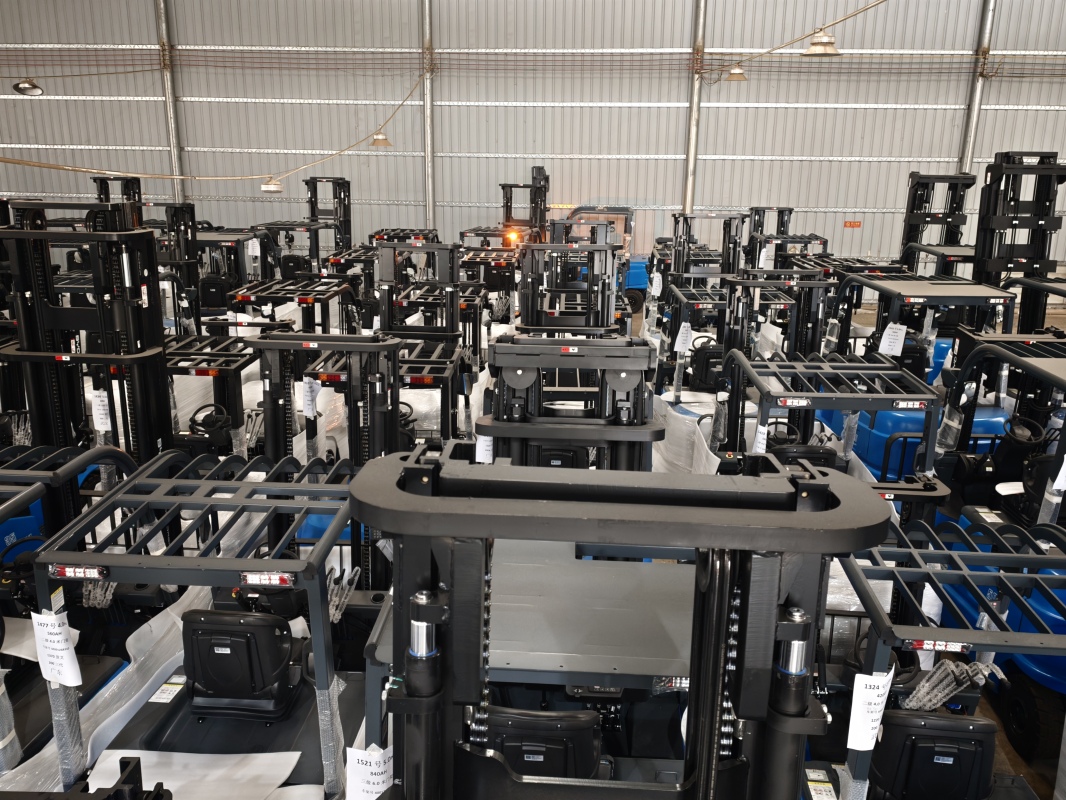
When you are engaged in electric forklift battery charging work, personal protection is the core priority to avoid various potential safety risks in daily operations. Before starting the charging work, you must be fully equipped with corresponding personal protective equipment, including acid-resistant gloves, impact-resistant safety goggles, and anti-slip insulating work shoes, and confirm that the protective equipment is not damaged or expired before you can enter the charging work area. The charging area should keep good ventilation, no open flames, no flammable and explosive items stacked, and obvious safety warning signs should be posted around to prevent unrelated personnel from entering by mistake. Before connecting the battery to the charging pile, you need to carefully check the appearance of the battery shell, to confirm there is no bulge, crack or electrolyte leakage, and do not use any sharp metal tools to touch the two electrodes of the battery to avoid short circuit and spark. During the whole charging process, you are not allowed to leave the post without permission, do not open the battery shell privately, and do not eat, drink or smoke in the charging area to avoid accidental contact with harmful volatile substances overflowing from the battery. If you accidentally get electrolyte on your skin or eyes, you need to use a large amount of clean water to wash the affected part immediately, and seek medical treatment as soon as possible. For professional technical support related to electric forklift battery operation, you can consult the professional team from Jianshu New Energy for targeted guidance. Users who use BYD Forklift can also combine the official operation manual of the equipment to adjust the details of charging protection steps to better adapt to the actual use scenario. If you have related business consultation demands, you can send an email to 17399989919@163.com for further communication. After the battery is fully charged, you should cut off the power of the charging pile first, and then pull out the charging interface, tidy up the charging site, check and confirm that there is no overheating, leakage or other abnormal conditions of the equipment before you can leave the work area. All operation steps should comply with the local special equipment safety management regulations, do not omit the necessary protection procedures because of pursuing work efficiency, and develop good standardized operation habits, which can effectively reduce the safety accident rate in the forklift charging process, and protect the personal safety of operators and the normal service life of related equipment.


