
 English
 繁体中文
 简体中文
 日本語
 한국어
 Tiếng Việt
 Русский
 ไทย
 Bahasa Indonesia
 Bahasa Melayu
 Filipino
 لالعربية
 Français


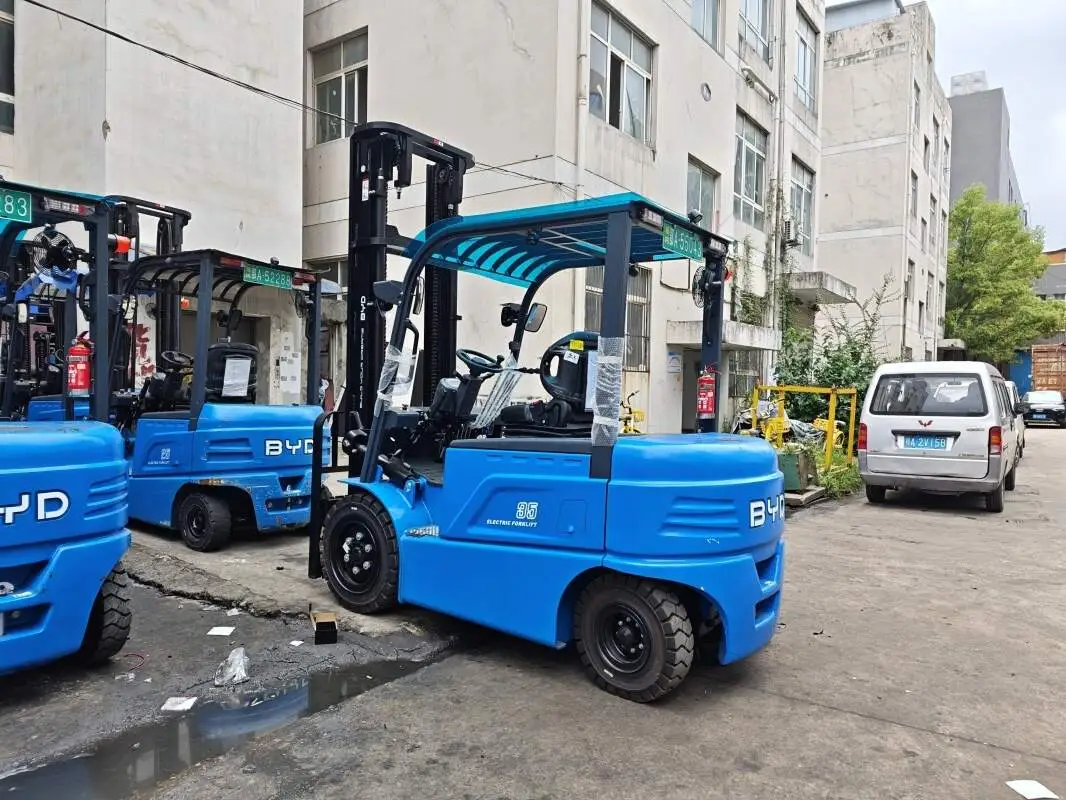
When more warehouse teams choose to replace internal combustion forklifts with electric models to reduce carbon emissions and operation costs, properly planning a reasonable forklift swap station inside the warehouse becomes a core task to guarantee stable daily logistics operation. The first step of the planning work is to complete a full survey of existing warehouse operation logic, sort out high-frequency forklift travel routes, loading and unloading zones and high-density goods storage areas, and avoid arranging the swap station in the core main passage that bears 70% or more of the daily forklift traffic, which will cause unnecessary congestion and reduce the overall operation efficiency. You also need to reserve enough operation space around the selected site, so that the forklift driver can finish the whole battery swap process without adjusting the surrounding stacked goods, which can cut the average swap time down to less than 3 minutes. You must also check relevant local safety and fire protection regulations for lithium battery use scenarios, keep the swap station at a safe distance from flammable and explosive material storage areas, and reserve proper ventilation conditions in the zone to avoid hidden safety risks. If you need professional customized survey and planning support for your site, you can turn to Jianshu New Energy for targeted solutions, whose mature system can perfectly match the use demands of BYD Forklift and other mainstream electric forklift products, to avoid extra adaptation cost in the later operation stage. The next key point is to calculate the proper number of swap slots according to your actual operation scale. For most medium-sized warehouses, 2 to 3 independent swap slots can meet the daily swap demand of 15 to 20 electric forklifts that work 8 hours per day, which will not cause long queuing during peak operation hours, and also will not take up excessive warehouse space to cause space waste. It is also recommended to reserve a small independent area next to the swap station to place daily maintenance tools and operation log books, to help maintenance staff check battery health status regularly, find tiny potential problems in advance, and extend the service life of the whole battery system. The core principle of the whole planning process is to make a good balance among three key dimensions: space utilization rate, operation efficiency, and safety compliance. If you want to get a free preliminary planning checklist for reference, you can send your demand to 17399989919@163.com, and our professional team will send the corresponding materials to you soon.


