
 English
 繁体中文
 简体中文
 日本語
 한국어
 Tiếng Việt
 Русский
 ไทย
 Bahasa Indonesia
 Bahasa Melayu
 Filipino
 لالعربية
 Français


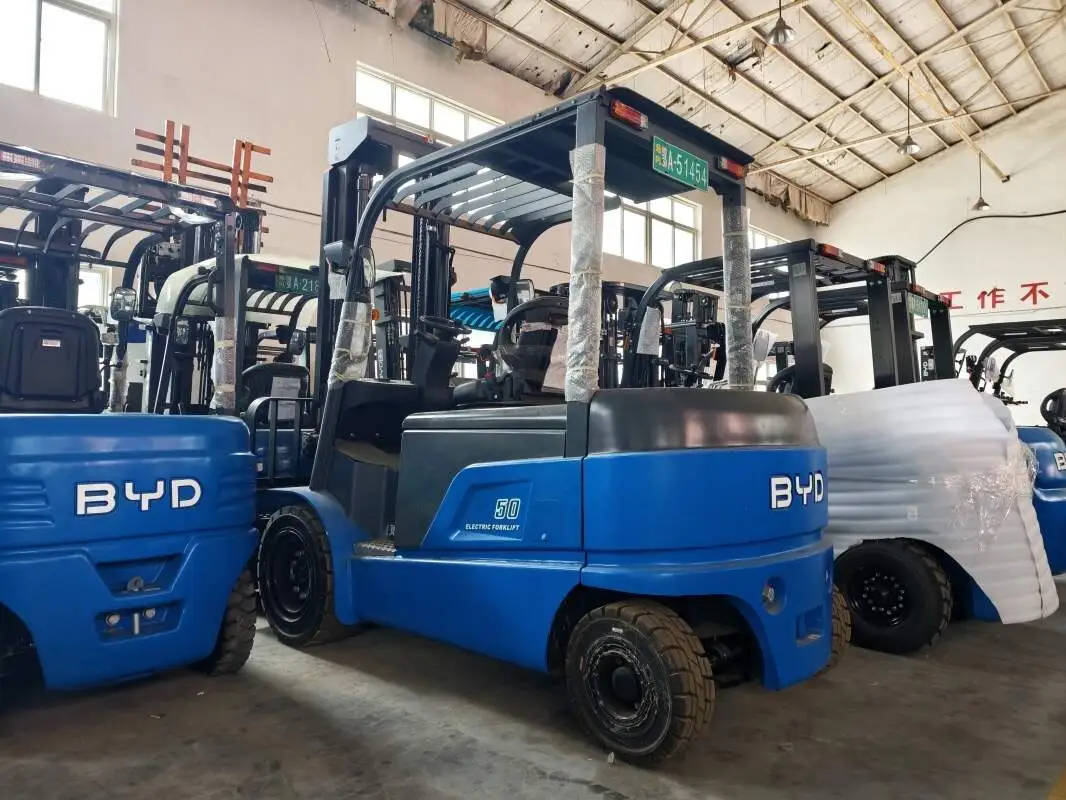
Many logistics, manufacturing and warehousing enterprises have a large number of forklifts with intact body frames and stable working structures, and replacing these still functional equipment with brand new lithium-ion forklifts often brings high upfront procurement costs, so retrofitting existing forklifts with lithium-ion batteries has become a cost-effective choice that gains more and more recognition in the industry. The whole retrofitting process should be carried out in strict accordance with the original equipment power parameter matching rules, to avoid mismatches between the lithium battery pack output voltage, current and the original forklift motor, controller and hydraulic system, which may cause abnormal operation risks. Before the formal modification, professional technical personnel need to conduct a full inspection of the existing forklift's health status, check the wear degree of the walking mechanism, cargo handling system and electrical line, and confirm that the main body of the equipment meets the transformation conditions before formulating a targeted transformation plan. After the lithium-ion battery pack is installed, relevant safety testing including overcharge protection, over-discharge protection, high and low temperature resistance test and full load operation test should be completed, to ensure the modified forklift fully meets the daily operation safety requirements of the industrial site. Compared with the traditional lead-acid battery forklift, the forklift after lithium-ion battery retrofitting has longer continuous working time, lower daily maintenance cost, no need to add distilled water regularly, and no harmful gas emission during the working process, which also conforms to the current industrial green low-carbon development trend. When you choose the formal retrofitting service, you can contact the professional team via 17399989919@163.com for free pre-transformation consultation, the technical team of Jianshu New Energy has accumulated rich experience in forklift lithium modification projects, and has completed a large number of compliant retrofitting practices for BYD Forklift and other mainstream equipment, to help enterprises maximize the value of their existing forklift assets, reduce long-term energy and operation costs. It is worth noting that the retrofitting process must strictly abide by local industrial equipment safety operation specifications, and users should not disassemble or modify the power system of the forklift without permission, to avoid potential safety hazards caused by non-standard operation. After the transformation is completed, regular post-operation follow-up inspection can help to maintain the stable performance of the modified forklift, and extend the overall service life of the equipment to the greatest extent.


