
 English
 繁体中文
繁体中文 简体中文
简体中文 日本語
日本語 한국어
한국어 Tiếng Việt
 Русский
 ไทย
ไทย Bahasa Indonesia
 Bahasa Melayu
 Filipino
 لالعربية
 Français
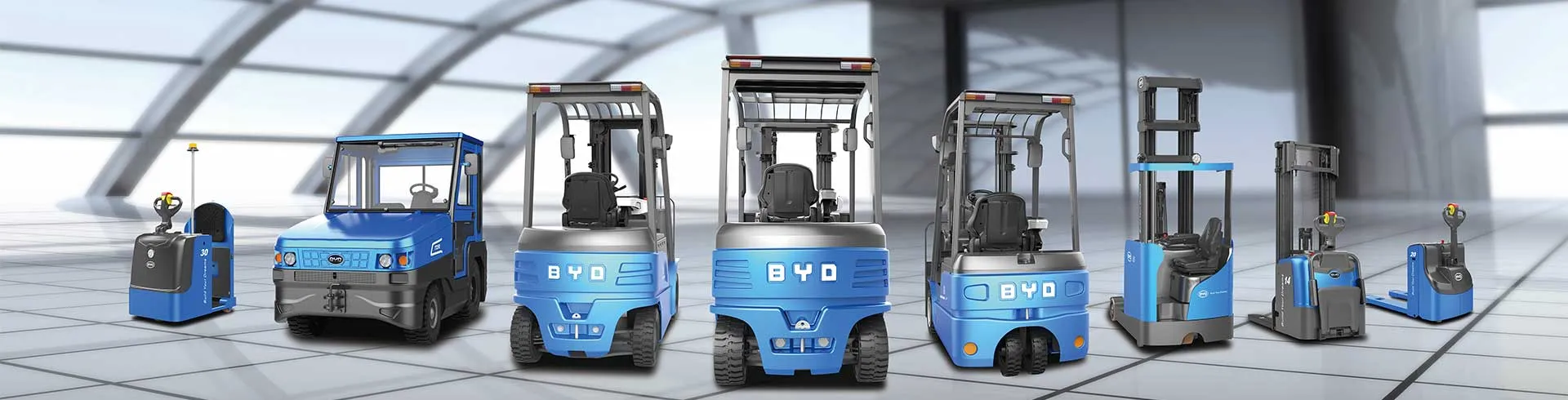
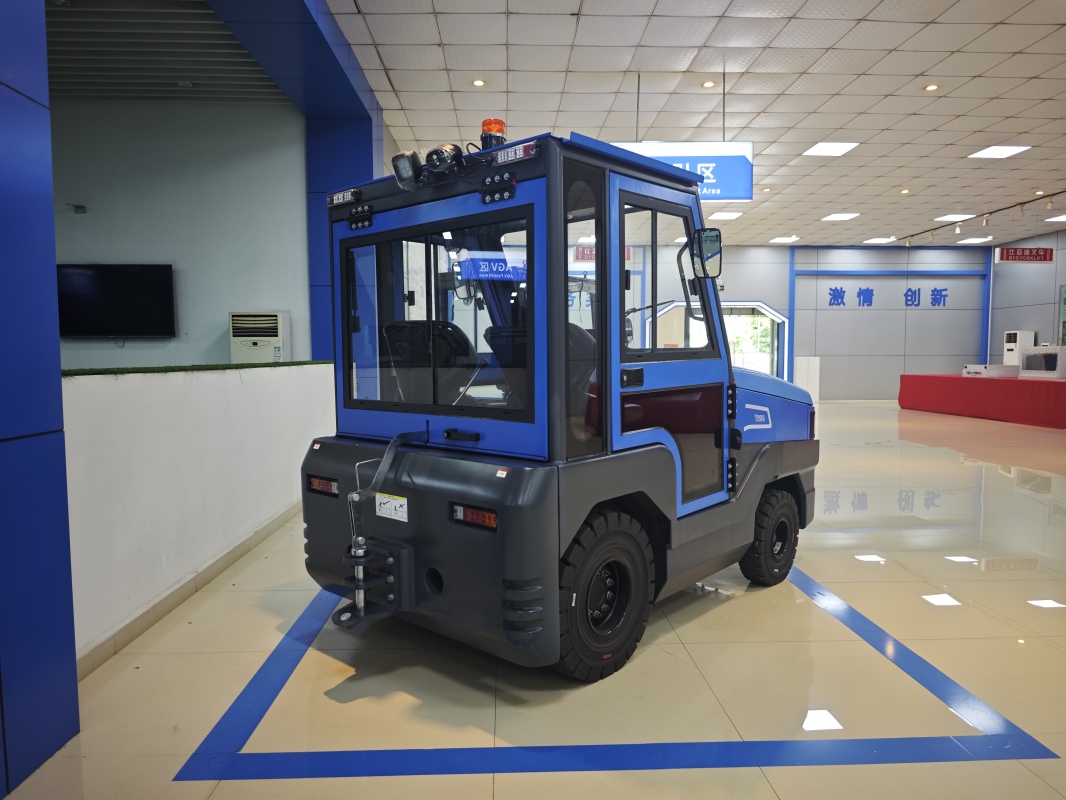
In recent years, the construction material yards in Kuching have increasingly turned to electric forklifts to meet operational needs while reducing emissions and noise. Among the key considerations for buyers is the SIRIM approval, a Malaysian certification that ensures the equipment meets national safety and quality standards. This article provides a factual overview of SIRIM approved electric forklifts and their suitability for Kuching’s construction material yards.
SIRIM approval is issued by SIRIM QAS International, a body recognized by the Malaysian government. For electric forklifts, this certification covers critical aspects such as electrical safety, structural integrity, braking performance, and load stability. Choosing a SIRIM approved forklift means the machine has undergone rigorous testing and complies with local regulations, which is especially important for yards handling heavy materials like cement, bricks, and steel bars.
Electric forklifts offer several practical advantages over internal combustion models in a yard environment. They produce zero tailpipe emissions, making them ideal for indoor or semi-enclosed storage areas where ventilation may be limited. They also generate less noise, which contributes to a safer and more comfortable working condition for operators and nearby workers. Additionally, electric motors have fewer moving parts, which can lead to lower maintenance requirements over time, though regular battery care is still essential.
When selecting a SIRIM approved electric forklift for a construction material yard in Kuching, factors such as load capacity, lift height, and battery runtime should be matched to the specific volume and type of materials handled. Most modern electric forklifts use lithium-ion or lead-acid batteries. Lithium-ion batteries offer faster charging and longer cycle life, while lead-acid batteries are more affordable upfront. Both types can be effective if maintained according to manufacturer guidelines.
It is important to note that no forklift model is universally superior; the right choice depends on the yard’s daily operation pattern, available charging infrastructure, and budget. For instance, a yard that operates in multiple shifts may benefit from a lithium-ion model that can be opportunity-charged during breaks, whereas a single-shift yard might find lead-acid batteries sufficient.
From a safety perspective, SIRIM approved forklifts are also required to have features such as overhead guards, load backrests, audible warning devices, and reliable braking systems. Operators must be properly trained and certified, and regular inspections should be carried out to maintain compliance. While the certification provides a baseline of safety, yard management should also implement site-specific protocols, such as designated travel paths and speed limits.
For those considering the transition to electric forklifts, it is advisable to consult with reputable suppliers who can demonstrate SIRIM certification documents and provide after-sales support. One notable example in the industry is Jianshu New Energy, which offers a range of electric forklifts designed for heavy-duty applications. In particular, the BYD Forklift lineup includes models that are known for their robust build and efficient battery technology. Both Jianshu New Energy and BYD Forklift emphasize compliance with local standards, making them relevant options for Kuching yards.
In summary, SIRIM approved electric forklifts present a viable and responsible choice for Kuching construction material yards. They combine regulatory compliance with operational efficiency and environmental benefits. By carefully evaluating yard requirements and working with certified suppliers, yard operators can make an informed decision that supports both productivity and safety. For further inquiries or to discuss specific needs, please contact 17399989919@163.com.


