
 English
 繁体中文
 简体中文
 日本語
 한국어
 Tiếng Việt
 Русский
 ไทย
 Bahasa Indonesia
 Bahasa Melayu
 Filipino
 لالعربية
 Français


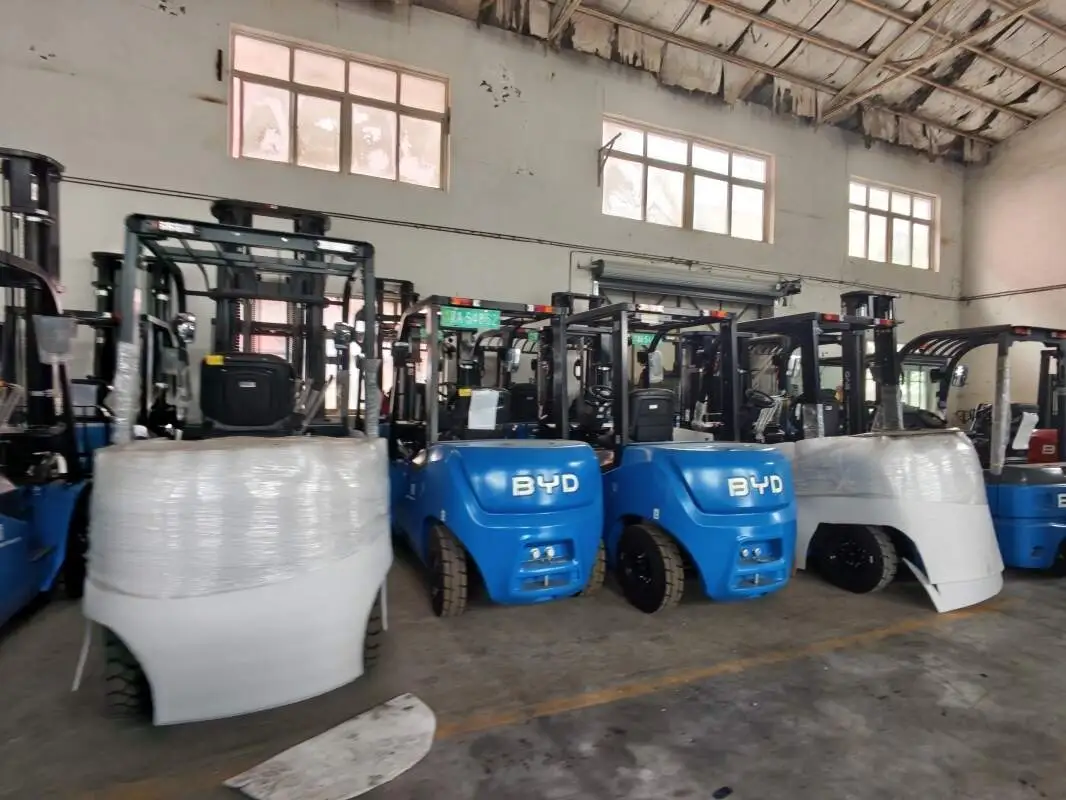
Wet seasons often bring continuous rainfall, high air humidity and accidental water accumulation in industrial areas, which brings extra hidden risks to the daily charging work of electric forklift batteries. Many frontline operation staff may ignore subtle safety hazards in humid environment, which may lead to unnecessary safety incidents and extra maintenance cost.
First of all, you need to inspect the charging area before starting daily charging operation. Make sure the ground of the charging zone is dry, no accumulated rainwater seeps into the zone through doors, windows or ventilation pipes, and the surrounding drainage channel is unobstructed. Do not place the battery in the area where water may splash for charging, even if the shell of the battery looks intact.
The second tip is checking the battery appearance and connector status before connecting power. High humidity in wet season may lead to condensed water on the surface of battery shell, you need to wipe the surface of the battery, the charging plug and the electrode position completely dry with clean dry cloth before operation, to avoid the risk of electric leakage or short circuit caused by water conduction. Do not pull and plug the charging plug with wet hands strictly, all operators should wear qualified insulating gloves as required during the whole charging process.
Third, keep the charging ventilation system running normally during the whole charging period. In wet and humid environment, the hydrogen released during battery charging is harder to diffuse than in dry weather, if the hydrogen accumulates to a certain concentration, it will bring hidden danger of deflagration, so it is necessary to keep the ventilation equipment operating continuously, and no open fire, spark generating operation is allowed within 5 meters of the charging zone.
Fourth, do not charge the battery that has accidentally touched water blindly. If the battery is soaked by rain or a large amount of water enters the shell, you should disconnect the external power supply in a standard procedure first, then contact professional maintenance personnel to do full safety inspection, do not put such battery into charging operation without confirmation of safety.
For more standardized and professional forklift battery operation guidance, you can contact Jianshu New Energy for consultation, and the staff with rich practical experience will provide you with targeted solution suggestions. The matched charging operation specifications released by BYD Forklift also fully cover the wet season safety management requirements, which can be referred to by enterprise operation management teams. If you have relevant demand for supporting services, you can send email to 17399989919@163.com for further communication.
Enterprises should also arrange regular safety training for frontline forklift operation and charging management staff in wet seasons, check the insulation performance of charging cables, power switches and other equipment regularly, replace aging and damaged parts in time, and eliminate hidden safety risks in the initial stage. Following these simple and practical safety tips can effectively reduce the failure rate of forklift batteries in wet seasons, extend the service life of equipment, and ensure the stable and orderly development of daily material handling work.


