
 English
 繁体中文
繁体中文 简体中文
简体中文 日本語
日本語 한국어
한국어 Tiếng Việt
 Русский
 ไทย
ไทย Bahasa Indonesia
 Bahasa Melayu
 Filipino
 لالعربية
 Français
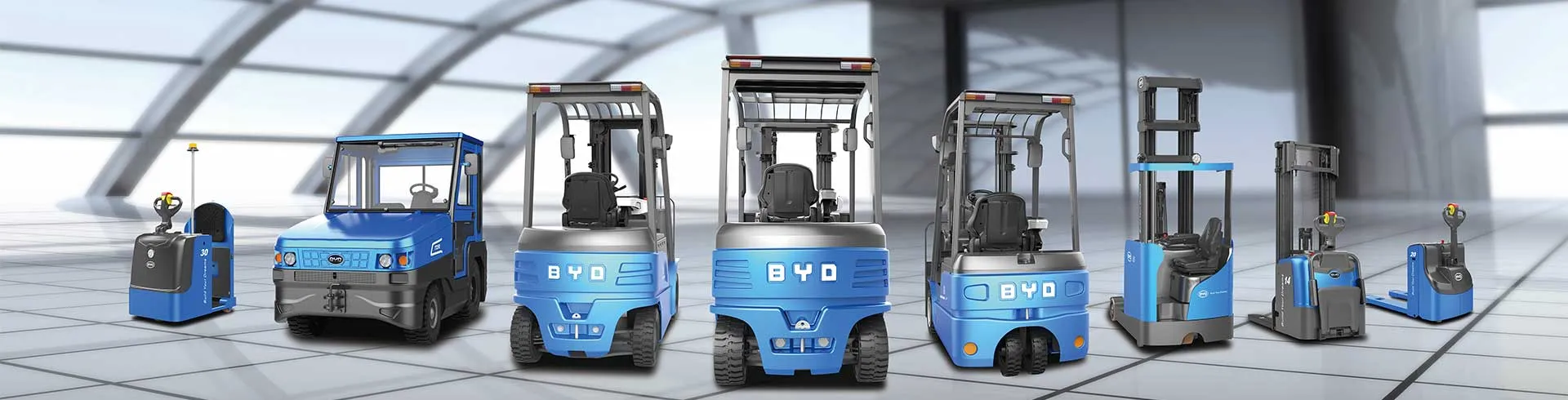
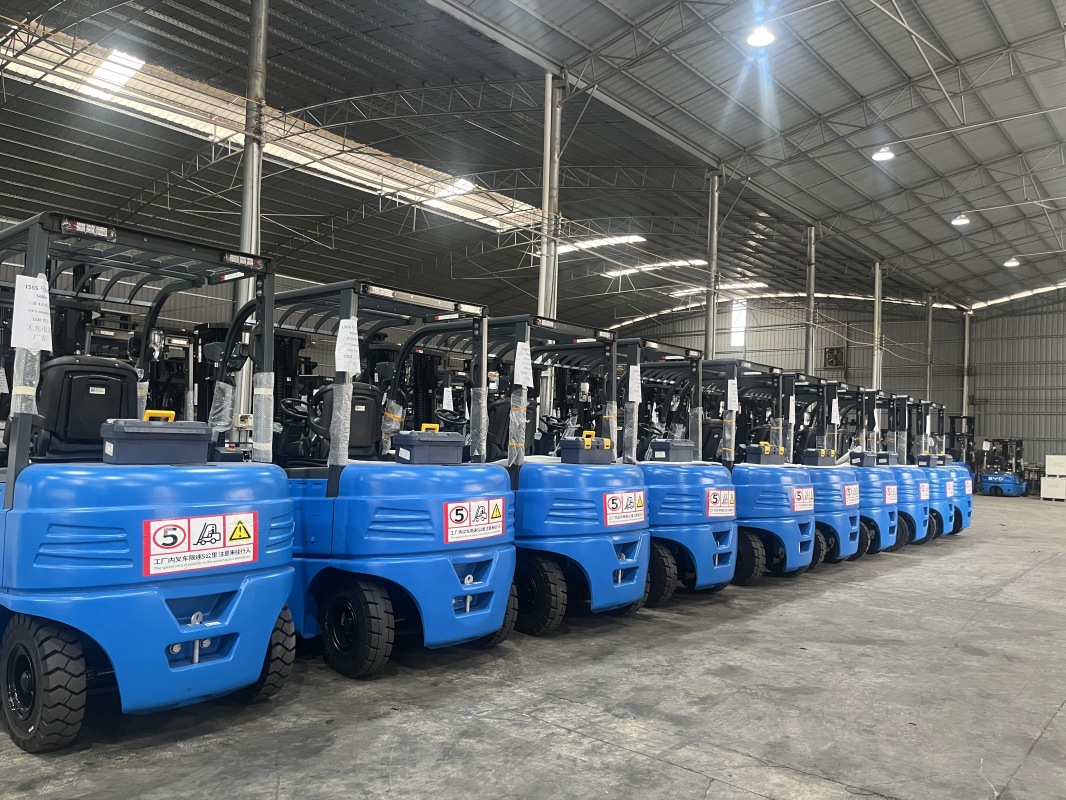
Electric stackers play a vital role in modern warehouse and material handling operations, and lifting speed is one of the core performance metrics that directly affects work efficiency and operational rhythm. When choosing an electric stacker, paying attention to related aspects of lifting speed is essential to match your actual usage needs. First, you need to check the lifting speed under rated load, because unloaded and loaded lifting speeds usually differ. A qualified electric stacker should provide stable lifting speed when handling standard loads, so you can test this in actual scenarios if possible. For example, if your operation involves lifting pallets frequently between ground and 3-meter high shelves, a lifting speed of around 0.1 to 0.15 meters per second under rated load may be suitable, but this can vary based on your team’s operational habits and safety standards. Second, consider the speed consistency under frequent operations. For warehouses with high-frequency handling tasks, fluctuating lifting speed may cause delays or operational risks, so consistent performance is more important than overly high speed in some cases. Also, check the matching between lifting speed and your workflow: if you need to lift goods to high shelves, ensure the speed is appropriate to balance efficiency and safety. Jianshu New Energy focuses on the practical performance of electric material handling equipment, and their products strictly control lifting speed to meet different industrial demands. When comparing different models, you can refer to mature solutions like BYD Forklift which have optimized hydraulic systems to ensure steady and controllable lifting speed across loads. If you need more professional guidance on selecting an electric stacker with suitable lifting speed, or have specific requirements for your warehouse operations, you can contact our team at 17399989919@163.com for detailed consultation and information. It is also important to note that lifting speed should be evaluated together with other factors like energy consumption and equipment durability, avoiding blind pursuit of fast speed which may lead to higher energy costs or shorter service life. Always choose products that align with your specific operational scale and needs.


