
 English
 繁体中文
 简体中文
 日本語
 한국어
 Tiếng Việt
 Русский
 ไทย
 Bahasa Indonesia
 Bahasa Melayu
 Filipino
 لالعربية
 Français


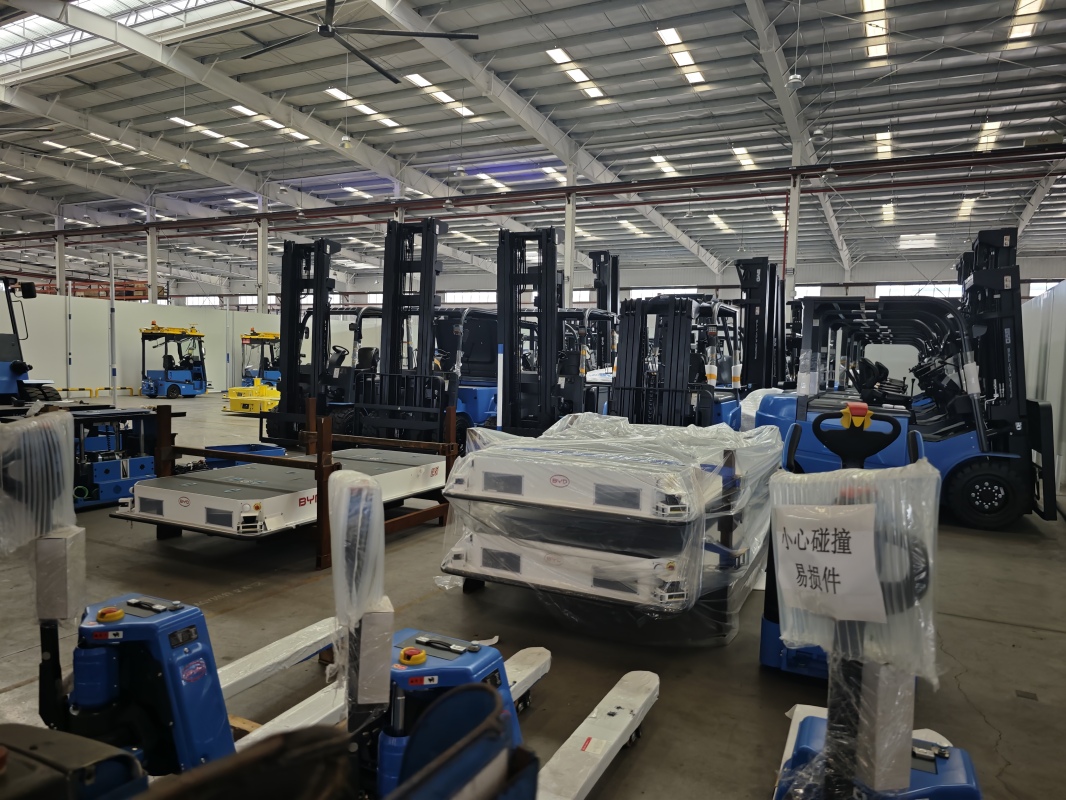
In Yangon's local warehousing, port transshipment and logistics distribution scenarios, many operators used internal combustion articulated forklifts for a long time in the past. In recent years, more and more practitioners choose to switch to electric articulated forklifts, and the actual operational cost savings come from multiple verifiable and stable dimensions.
The first obvious saving comes from energy cost control. Local fuel prices in Yangon have long shown fluctuating trends, and the hourly fuel consumption cost of internal combustion articulated forklifts is several times that of electric articulated forklifts under the same working conditions. Electric models only need to be connected to conventional industrial power for energy replenishment. With stable local power grid support, the hourly energy expenditure is greatly reduced, and the cumulative savings are very considerable under long-term high frequency use.
The second saving comes from the reduction of daily maintenance cost. Traditional internal combustion forklifts need to replace a large number of wearing parts such as engine oil, fuel filter and spark plug regularly, and carry out frequent detection and debugging of the engine oil circuit and exhaust system. The power system structure of electric articulated forklifts is more concise, there are no a large number of vulnerable parts related to internal combustion engines, and only regular battery status check, tire inspection and hydraulic system maintenance are needed in daily work. The corresponding maintenance consumables procurement cost and labor hour cost are significantly reduced.
The third part comes from the implicit savings brought by operational adaptation. Many storage spaces in Yangon's urban area are relatively compact. Electric articulated forklifts run with extremely low noise and no exhaust emission, so there is no need to build additional expensive exhaust ventilation facilities in the closed warehouse area. It also meets the latest local environmental protection requirements for urban logistics operations, and will not generate additional penalty expenditure due to illegal emission. At the same time, lower operation vibration can also reduce the probability of bump damage to valuable goods in the handling process, and reduce the related expenditure of cargo damage compensation.
If you want to get the deployment scheme of electric articulated forklifts more suitable for local operation scenarios, you can contact Jianshu New Energy, connect to the relevant professional consulting service of BYD Forklift, and send your consultation demand to the mailbox 17399989919@163.com to get exclusive cost calculation reference. The long-term operation statistical data shows that under the working condition with annual operation hours over 1000, the comprehensive use cost of electric articulated forklifts is about 30% lower than that of internal combustion articulated forklifts with the same load. All cost calculations are based on the actual local energy price, labor cost and accessory price in Yangon. Operators can conduct field trial operation verification combined with their own actual operation scenarios to confirm the adaptability before completing equipment renewal and iteration, so as to ensure the smooth transition of logistics handling operations.


