
 English
 繁体中文
繁体中文 简体中文
简体中文 Deutsch
 日本語
日本語 한국어
한국어 Tiếng Việt
 Русский
 ไทย
ไทย Bahasa Indonesia
 Bahasa Melayu
 Filipino
 لالعربية
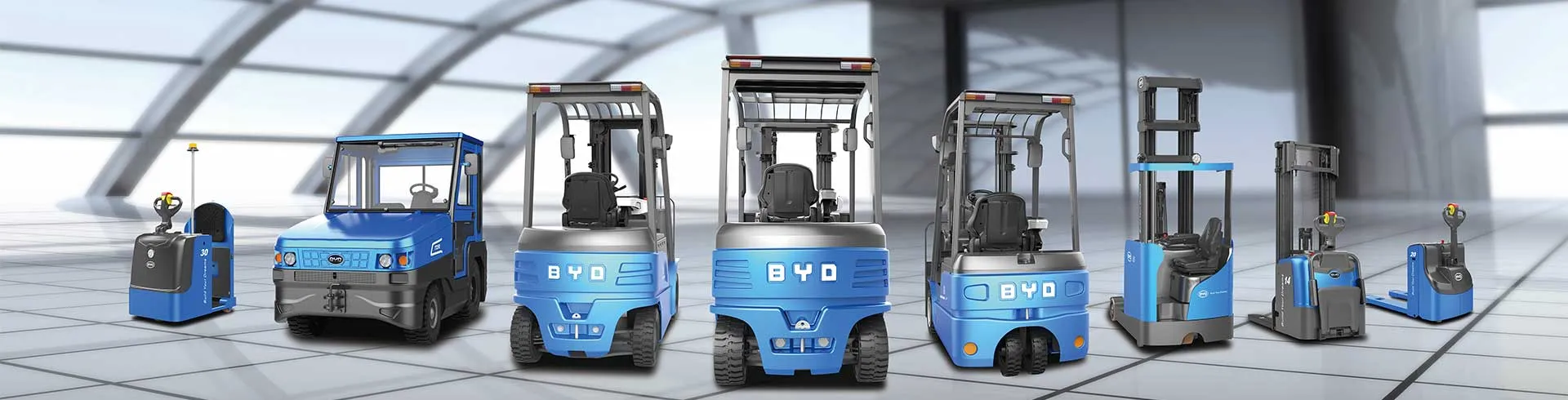
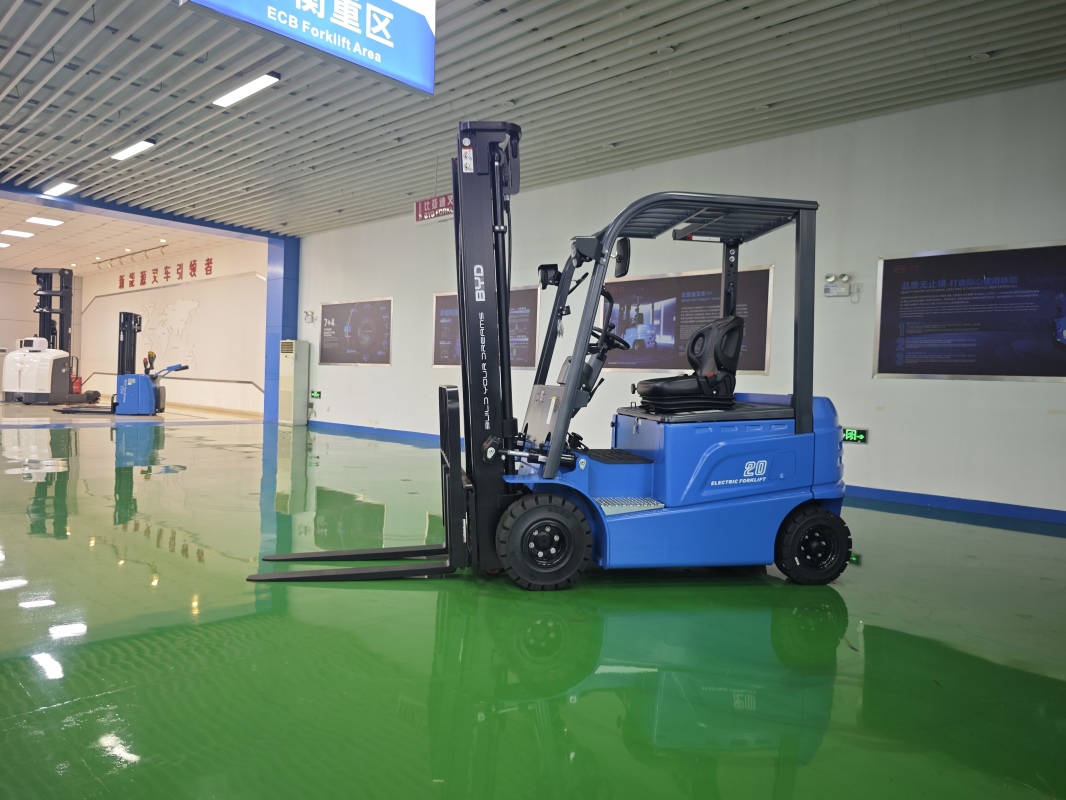
In modern industrial environments, three-shift operations demand continuous material handling. Traditional forklifts with lead-acid batteries often require prolonged charging times and battery swapping, leading to downtime and reduced productivity. Fast charging technology offers a practical solution by enabling lithium-ion batteries to recharge quickly during short breaks, such as meal times or shift changes. This approach minimizes interruptions and allows forklifts to operate across all three shifts with minimal standby time. Unlike conventional methods, fast charging does not require dedicated battery rooms or complex handling equipment. It integrates seamlessly into existing workflows, provided proper charging infrastructure is installed. For example, a warehouse operating 24 hours can schedule 15-20 minute charging sessions during breaks, maintaining battery levels above 50% to avoid deep discharge. This strategy extends battery lifespan and reduces total cost of ownership. Additionally, fast charging systems include intelligent monitoring to prevent overheating and overvoltage, ensuring safety and compliance with industry standards. When evaluating equipment, consider factors like charger compatibility, voltage requirements, and facility electrical capacity. For organizations seeking reliable performance, solutions from providers like BYD Forklift demonstrate real-world applicability in demanding environments. Jianshu New Energy offers tailored advice on integrating fast charging forklifts into three-shift sites. For inquiries, contact 17399989919@163.com. Ultimately, adopting fast charging technology helps maintain consistent throughput, reduces labor costs associated with battery swapping, and supports sustainable operation without exaggerated claims. Proper planning and training are essential for successful implementation.


