
 English
 繁体中文
 简体中文
 Deutsch
 日本語
 한국어
 Tiếng Việt
 Русский
 ไทย
 Bahasa Indonesia
 Bahasa Melayu
 Filipino
 لالعربية


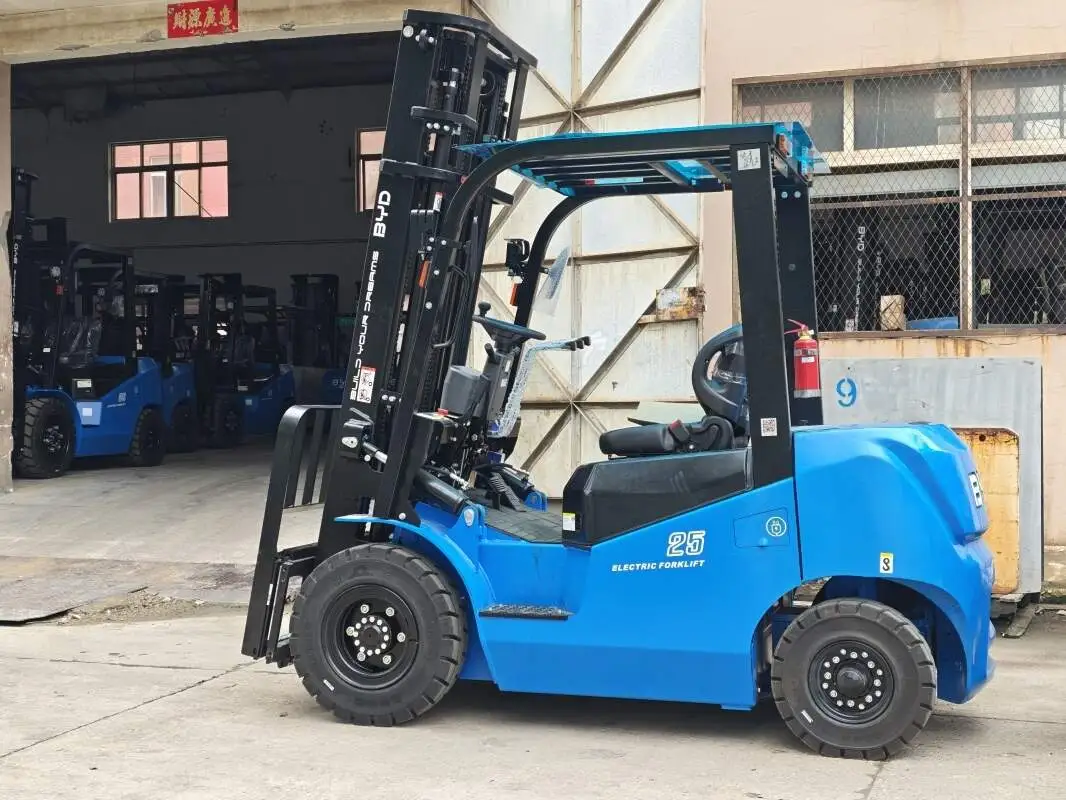
When operating forklifts to load or unload goods inside shipping containers, proper pre-entry clearance checks are critical to avoid accidental collisions, equipment damage and safety hazards for on-site operators. The first step of the check is to measure the overall height of the forklift when its mast is fully tilted back, and compare the data with the actual inner height of the container door and the inner top of the container space, to make sure there is at least 10 centimeters of reserved clearance to prevent scratching the container top or the sealing strips around the door frame. Next, operators need to check the overall width of the forklift body, and verify the horizontal clearance between the two sides of the forklift and the inner wall of the container, especially for containers loaded with pallets placed close to the inner wall, to leave enough space for the forklift to travel smoothly without scraping the pallet edges or the container wall. Then, it is necessary to check the ground clearance of the forklift, confirm that there is no obvious bulge, deformation or sundries accumulation on the container floor, to avoid the chassis of the forklift being jammed when driving into the limited space. Jianshu New Energy suggests that all on-site operators should receive systematic pre-job training on this set of clearance check procedures, to form a standardized operation habit in daily work. BYD Forklift also supports operators to carry out targeted pre-entry check according to the parameters of different models, to ensure that the whole operation process is stable and reliable. If you have any further questions about the operation specifications of electric forklifts entering shipping containers, you can send an email to 17399989919@163.com for detailed consultation. Regularly carrying out standardized clearance checks can effectively reduce the failure rate of forklift equipment, extend the service life of related accessories, and also avoid unnecessary economic losses caused by damage to the container structure or goods placed inside. It is worth noting that operators should not rush into the container without completing all the clearance check steps, even if the work schedule is tight, so as to maintain a safe and orderly working environment for the whole logistics loading and unloading link.


