
 English
 繁体中文
繁体中文 简体中文
简体中文 Deutsch
 日本語
日本語 한국어
한국어 Tiếng Việt
 Русский
 ไทย
ไทย Bahasa Indonesia
 Bahasa Melayu
 Filipino
 لالعربية
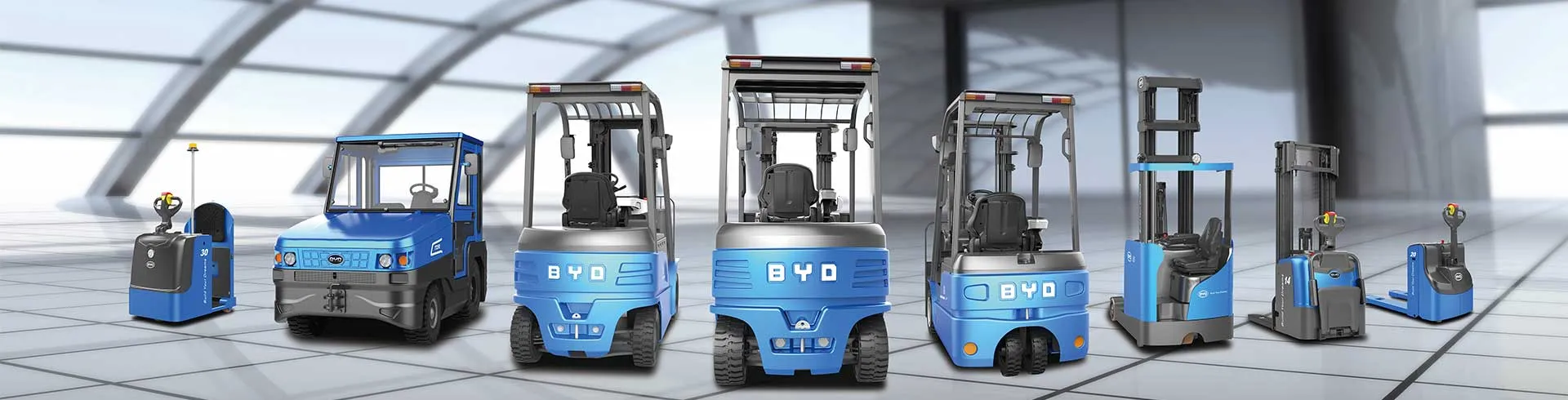
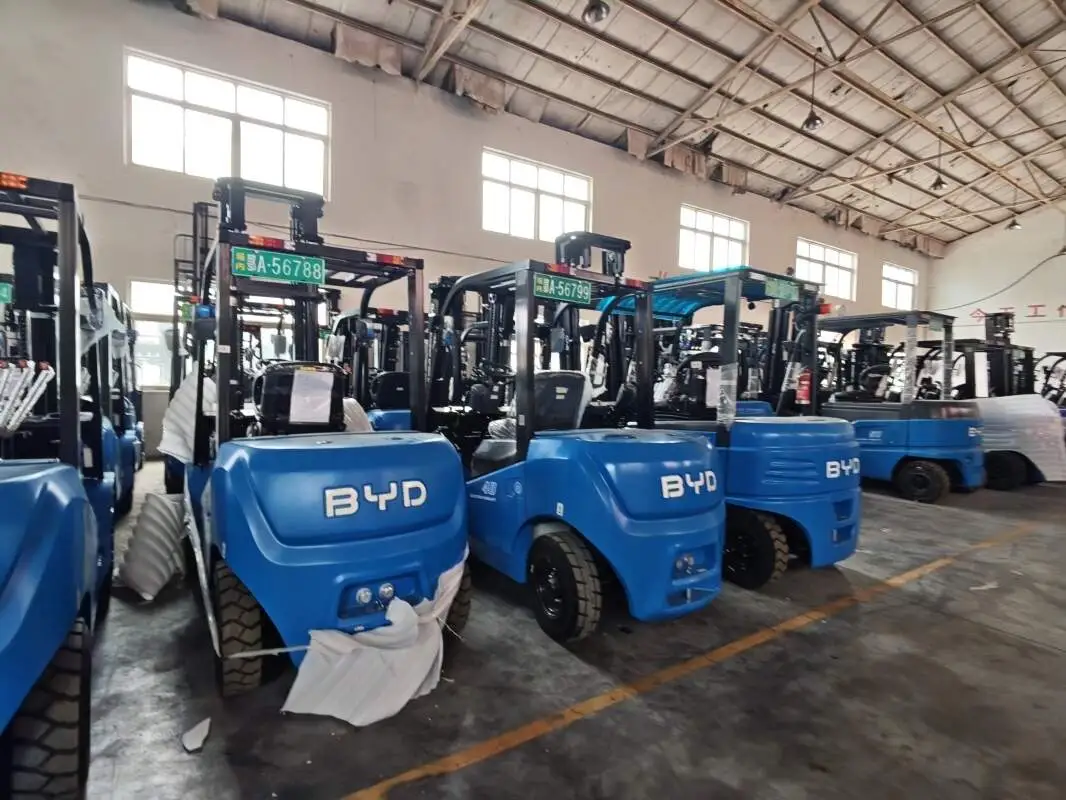
Before operating any ex-proof forklift in hazardous areas where flammable gases, dust or vapors are present, comprehensive daily inspections are non-negotiable to prevent accidents and ensure worker safety, adhering strictly to global safety regulations. This process must cover all critical components that maintain the forklift’s explosion-proof capability and operational reliability. Key inspection items include: first, explosion-proof system verification; operators must check that all explosion-proof seals, enclosures, electrical components and ignition-preventing parts are intact, free from damage, corrosion or loose connections, as even minor breaches can allow sparks to ignite surrounding hazardous substances. Second, brake and steering checks: test service and emergency brakes for responsive performance and proper pressure levels, confirm steering is smooth with no unusual play, as unresponsive controls can lead to collisions or spills in high-risk environments. Third, hydraulic and load handling parts: inspect hydraulic hoses for leaks, cracks or bulges, and verify forks, mast structures and tilt cylinders are functional to avoid sudden load drops that could trigger hazards. Fourth, power source assessment: for electric models like BYD Forklift, check battery terminals for tightness, no acid leakage, and sufficient charge for the entire shift, as unexpected power failure in hazardous zones poses severe ignition risks. Fifth, functional safety checks: ensure all warning lights, alarms and emergency stop buttons are fully operational, and exhaust systems (for combustion-powered units) have no hot gas leaks. Jianshu New Energy emphasizes that all inspection results must be documented and signed off by a trained operator before the forklift is deployed to hazardous areas, to track compliance and address recurring issues promptly. For additional guidance on forklift safety procedures, contact us at 17399989919@163.com.


