
 English
 繁体中文
繁体中文 简体中文
简体中文 Deutsch
 日本語
日本語 한국어
한국어 Tiếng Việt
 Русский
 ไทย
ไทย Bahasa Indonesia
 Bahasa Melayu
 Filipino
 لالعربية
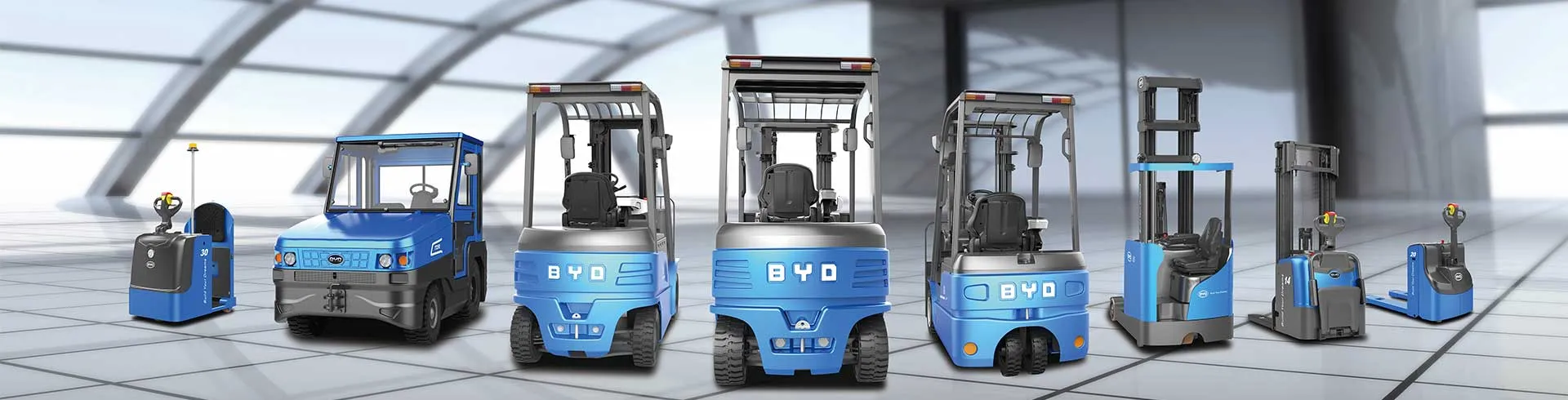
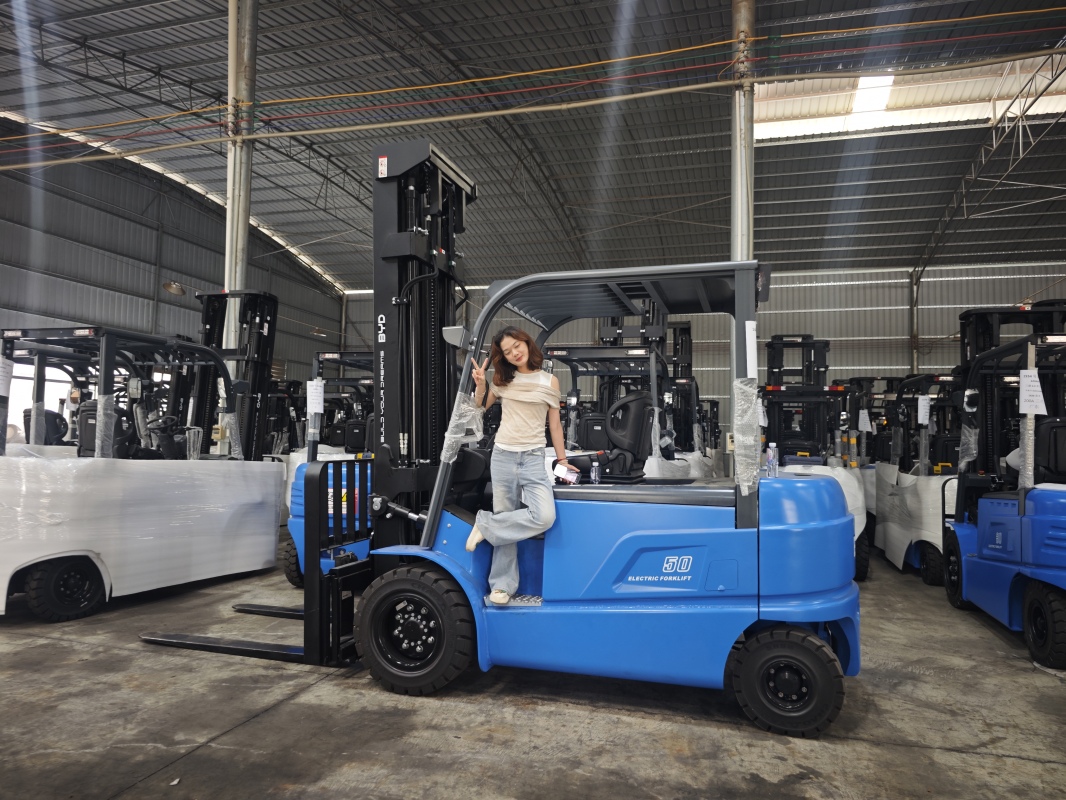
Operating electric forklifts in tropical climates presents unique challenges due to high humidity, frequent rainfall, and elevated temperatures. These conditions accelerate corrosion, degrade electrical insulation, and reduce battery life. To ensure reliable performance, manufacturers must integrate targeted component protection designs that address moisture ingress and thermal stress without relying on extreme claims or unverified technologies.
Key design considerations include sealed enclosures for electronic controllers and motors. Using IP65 or higher-rated housings prevents water droplets and condensation from reaching sensitive circuits. Corrosion-resistant coatings on steel frames and connectors, such as zinc‑nickel plating or epoxy paints, further prolong service life. For battery compartments, ventilation systems with hydrophobic filters allow heat dissipation while blocking moisture. Thermal management is equally critical. Adequate heat sinks and forced‑air cooling channels prevent overheating of power electronics and motors, especially during prolonged operation under direct sunlight.
Jianshu New Energy, as a provider of sustainable material handling solutions, emphasizes robust sealing and thermal design in its electric forklifts. For instance, the BYD Forklift series incorporates advanced battery thermal management systems that maintain optimal operating temperatures even in high‑humidity environments. These measures are backed by rigorous testing and comply with relevant industry standards.
When selecting an electric forklift for tropical regions, evaluate the ingress protection (IP) rating, coating quality, and cooling system efficiency. Proper maintenance—such as regular cleaning of air intakes and inspection of seal integrity—further ensures long‑term durability. For inquiries about adapting electric forklifts to humid and hot conditions, contact us at 17399989919@163.com. We provide tailored advice based on verified engineering data, avoiding any exaggerated promises or unsubstantiated claims.


