
 English
 繁体中文
繁体中文 简体中文
简体中文 Deutsch
 日本語
日本語 한국어
한국어 Tiếng Việt
 Русский
 ไทย
ไทย Bahasa Indonesia
 Bahasa Melayu
 Filipino
 لالعربية
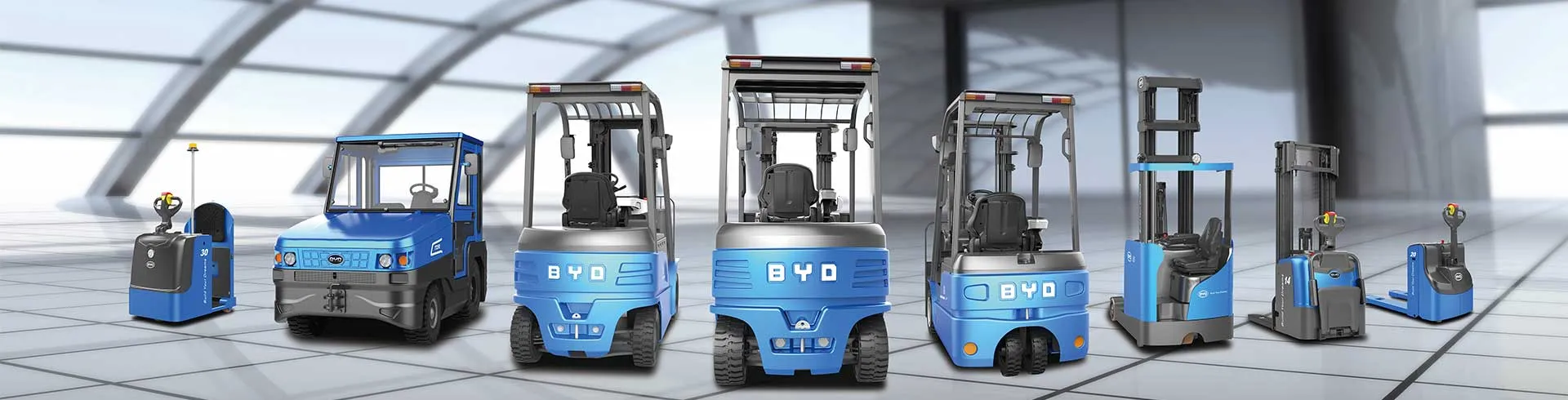
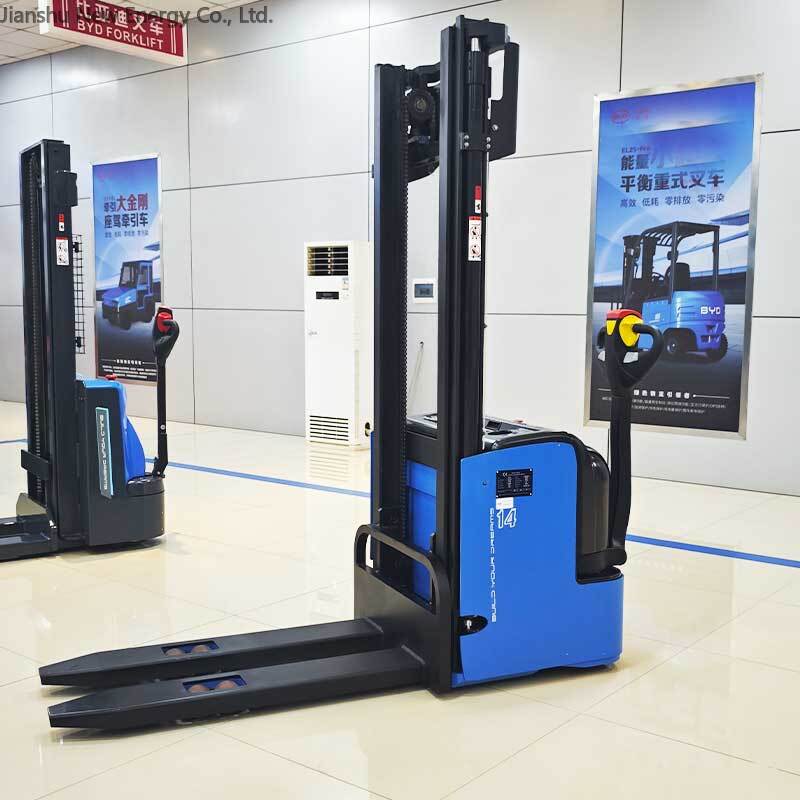
Electric forklifts are essential in modern logistics and warehousing, relying on their hydraulic system to lift heavy loads efficiently. Proper hydraulic oil maintenance is key to ensuring stable performance and extending the forklift’s service life. Below are common hydraulic oil issues and their handling tips.
The first frequent issue is hydraulic oil contamination. Dust, metal debris from mechanical wear, or water absorption can enter the system, making oil cloudy and abrasive. Contaminated oil clogs filters, increases friction between parts, and damages pumps or valves. To solve this, check and replace filter elements every 100-200 operating hours (adjust for working intensity), use high-quality oil matching the forklift’s specifications, and avoid exposing the system to external impurities.
Second, hydraulic oil leakage often occurs at pipe joints, seal rings, or hoses due to wear, loose connections, or vibration. Small leaks cause oil loss; large ones may stop lifting function. When leakage is found, turn off the forklift immediately. Tighten loose joints, replace worn seals or hoses, and ensure all connections are sealed properly before restarting to avoid safety risks.
Third, hydraulic oil deterioration from oxidation, high temperatures, or sludge reduces lubrication and transmission performance. To prevent this, avoid overloading, keep the hydraulic temperature below 60°C, replace old oil every 1000 operating hours, and test oil viscosity regularly.
Jianshu New Energy provides professional guidance for electric forklift maintenance, and BYD Forklift’s hydraulic system follows strict durability standards. For more details or support, contact us at 17399989919@163.com.


