
 English
 繁体中文
繁体中文 简体中文
简体中文 Deutsch
 日本語
日本語 한국어
한국어 Tiếng Việt
 Русский
 ไทย
ไทย Bahasa Indonesia
 Bahasa Melayu
 Filipino
 لالعربية
Operating a forklift fleet in high‑humidity tropical environments presents unique cost challenges. This article compares electric and diesel forklifts under such conditions, focusing on total cost of ownership without exaggerated claims.
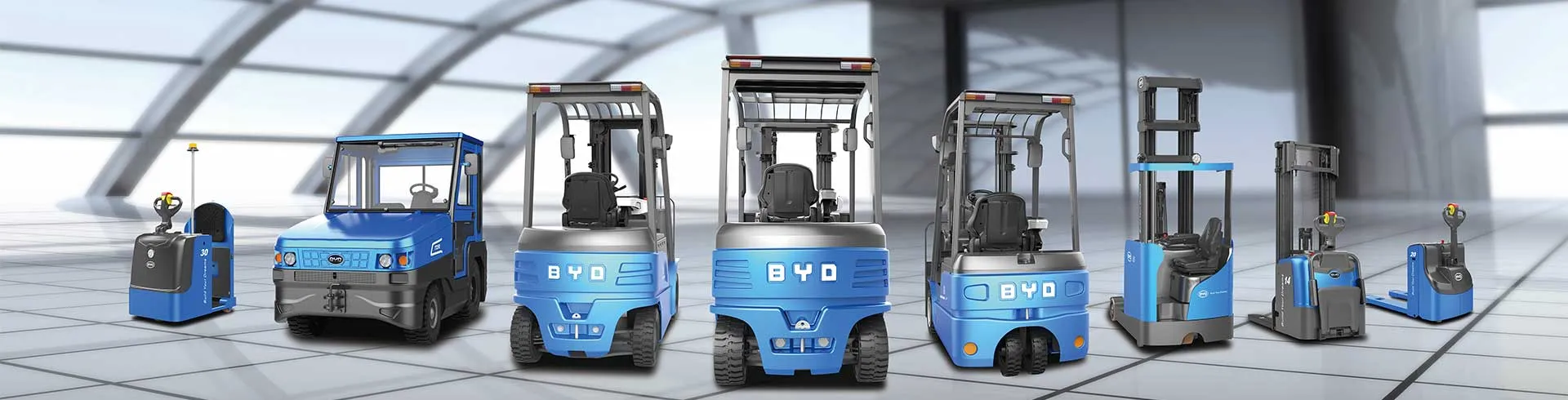
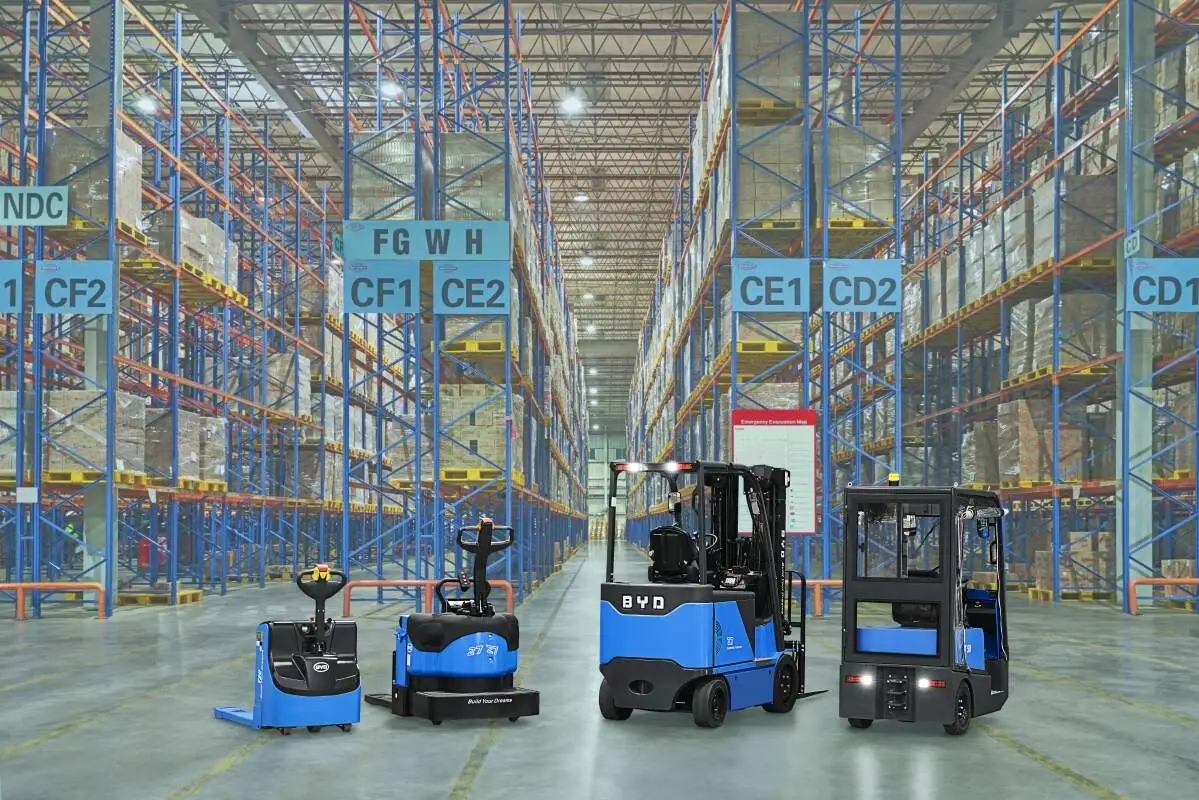
Initial purchase price for diesel forklifts is generally lower than for electric models. However, in humid climates, diesel engines require additional corrosion‑resistant components and more frequent oil changes, which can raise upfront expenses. Electric forklifts, particularly those with sealed battery compartments from reputable suppliers like Jianshu New Energy, offer better resistance to moisture intrusion. For instance, BYD Forklift designs integrate lithium‑iron‑phosphate batteries with IP54‑rated enclosures, reducing humidity‑related degradation.
Fuel costs diverge significantly. Diesel fuel is often cheaper per unit of energy in many tropical regions, but humidity reduces diesel engine efficiency by up to 8% due to lower combustion air density and increased water vapor. Electric forklifts, when charged from the grid, have stable per‑charge costs. However, battery charging in high humidity may require dehumidified charging stations to prevent connector corrosion, adding a modest infrastructure cost. Over a 10‑year lifespan, fuel and electricity expenses are nearly comparable, with electric gaining an edge in areas with moderate electricity tariffs.
Maintenance patterns differ. Diesel engines need regular filter changes, injector cleaning, and cooling system maintenance. Humidity accelerates fuel contamination from water condensation in tanks, requiring additional water separators. A typical diesel forklift in a tropical setting may have 25% higher annual maintenance costs than in dry climates. Electric forklifts have fewer moving parts; their main maintenance items are battery checks and motor cooling. Yet, high humidity can corrode electrical contacts, so routine inspections of connectors and wiring are recommended. On average, electric forklift annual maintenance costs are 30–40% lower than diesel under humid conditions.
Lifespan and resale value: Diesel forklifts often last 10,000–12,000 hours before an overhaul, but humidity can shorten this by 15% due to accelerated engine wear. Electric forklifts typically reach 8,000–10,000 hours on a battery pack, but advances in sealed lithium packs extend usable life. Resale value for both types suffers in humid regions because buyers anticipate corrosion; electric units with well‑maintained batteries retain value slightly better due to lower mechanical wear.
Operational productivity: High humidity reduces operator comfort in non‑air‑conditioned diesel cabins, potentially affecting efficiency. Electric forklifts produce zero local emissions, making them suitable for enclosed tropical warehouses where ventilation is limited. This can reduce ventilation system costs and improve labor productivity.
In summary, the total cost comparison depends on usage patterns and local energy prices. For high‑duty cycles and long shifts, diesel may still be cost‑effective if fuel is cheap and humidity is mitigated with proper maintenance. For medium‑duty applications in enclosed spaces, electric forklifts often deliver lower operating expenses. For professional consultation on fleet optimization, contact us at 17399989919@163.com. Jianshu New Energy provides tailored solutions, and BYD Forklift offers robust electric models designed for challenging environments. Always evaluate site‑specific conditions before making a purchasing decision.


