
 English
 繁体中文
繁体中文 简体中文
简体中文 Deutsch
 日本語
日本語 한국어
한국어 Tiếng Việt
 Русский
 ไทย
ไทย Bahasa Indonesia
 Bahasa Melayu
 Filipino
 لالعربية

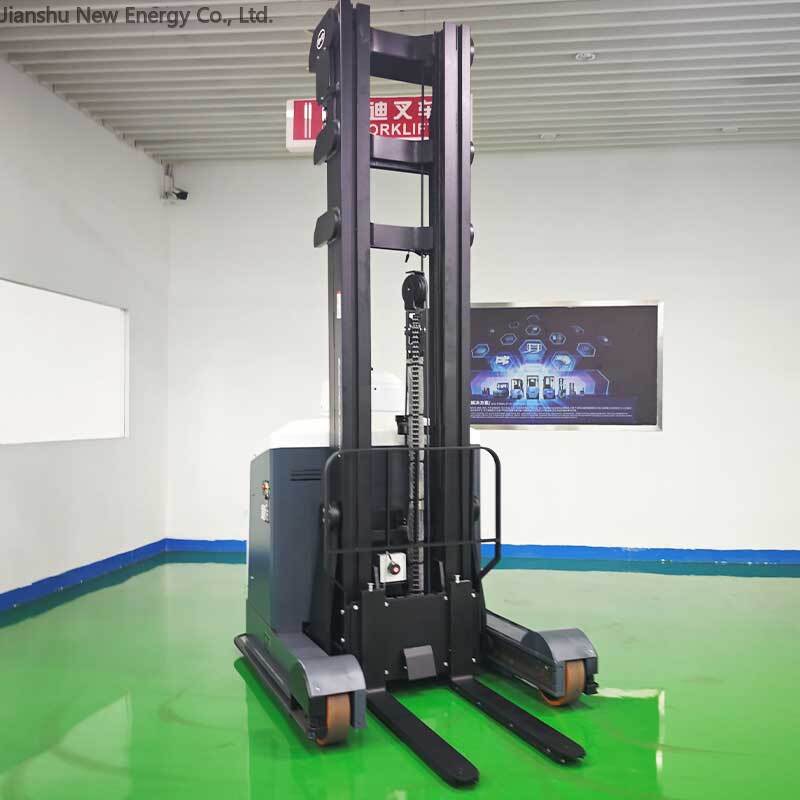
For fleets operating multiple handling equipment units, fuel cost is a dominant factor in total operating expenses. This article provides an objective comparison between electric forklifts and internal combustion engine (ICE) forklifts, focusing on real-world fuel expenditure without exaggerated claims.
Electric forklifts draw power from rechargeable batteries. Their per-hour energy cost depends on local electricity rates and charging efficiency. Typically, a standard counterbalance electric forklift consumes 8–12 kWh per hour of heavy use. At an average industrial electricity price of $0.12 per kWh, the hourly fuel cost ranges from $0.96 to $1.44. In contrast, a comparable LPG forklift burns about 1.5–2.5 kg of propane per hour. With LPG at roughly $0.90 per kg, the hourly cost is $1.35–$2.25. A diesel forklift uses approximately 2–4 liters per hour; at $1.00 per liter, the cost becomes $2.00–$4.00 per hour.
These figures illustrate that electric forklifts offer significantly lower fuel expense per hour of operation. For a fleet of 20 units running 8 hours per day for 250 days a year, the annual fuel savings can exceed $20,000 compared to LPG models, and nearly $40,000 versus diesel. However, the total cost of ownership also includes initial purchase price, battery replacement, and charging infrastructure. Electric forklifts generally have higher upfront costs but lower maintenance (no engine oil, filters, or exhaust systems). When considering a fleet with multiple units, the cumulative savings in fuel and maintenance often outweigh the initial investment over a 5-year lifecycle.
Another important factor is energy price stability. Electricity rates fluctuate less than petroleum-based fuel prices, providing more predictable budgeting for fleet managers. Additionally, electric forklifts produce no tailpipe emissions, which may reduce ventilation costs in indoor warehouses and eliminate the need for expensive exhaust treatment systems.
It should be noted that current battery technology (lithium-ion or lead-acid) has improved cycle life and rapid charging capabilities. For multi-shift operations, opportunity charging can further reduce downtime. For example, Jianshu New Energy offers tailored charging solutions that optimize energy consumption across multiple units. And BYD Forklift provides high-capacity lithium-ion models designed for heavy-duty applications, contributing to lower energy waste.
In any fleet decision, it is recommended to conduct a site-specific analysis considering local energy tariffs, duty cycles, and labor costs. This comparison serves as a general guide, not a guarantee. For personalized advice, contact us at 17399989919@163.com. Jianshu New Energy and BYD Forklift are examples of solutions that help fleets achieve lower fuel costs, but each application should be evaluated independently.


