
 English
 繁体中文
繁体中文 简体中文
简体中文 Deutsch
 日本語
日本語 한국어
한국어 Tiếng Việt
 Русский
 ไทย
ไทย Bahasa Indonesia
 Bahasa Melayu
 Filipino
 لالعربية
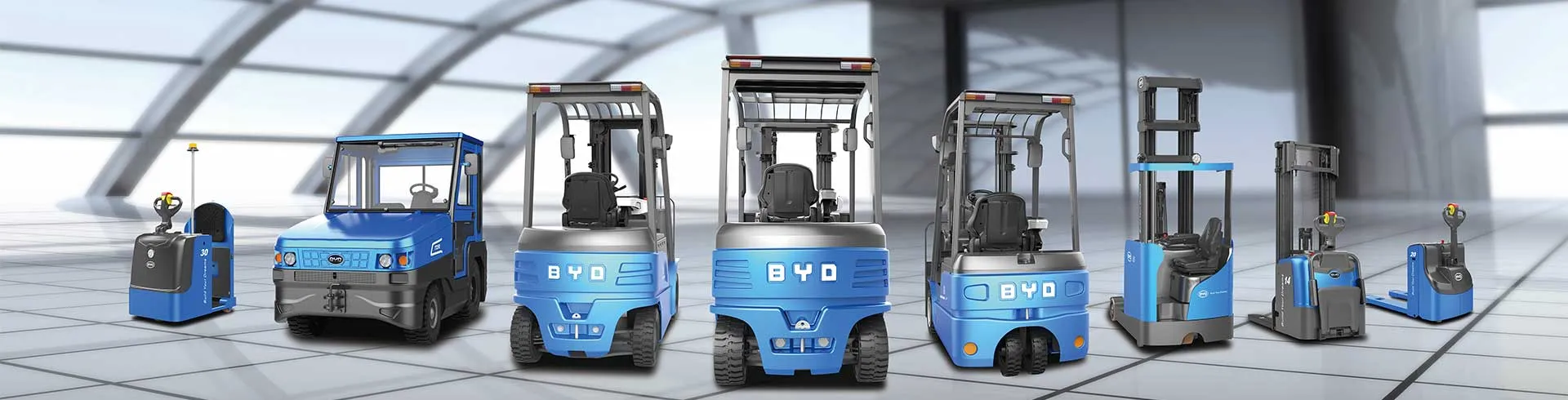

Seasonal peaks in material handling demand put pressure on warehouse budgets. Choosing between electric and internal combustion (IC) forklifts involves more than upfront price—fuel cost dynamics shift with workload variability.
For IC forklifts (diesel or LPG), fuel consumption scales linearly with hours worked. During high‑season rushes, daily fuel expenses spike, and prices are subject to market volatility. Conversely, electric forklifts run on rechargeable batteries with stable per‑kWh rates, offering predictable costs regardless of seasonal intensity.
Electric models also reduce auxiliary expenses. They have fewer moving parts, less frequent oil changes, and no exhaust filters. Idle time during off‑seasons requires zero fuel spend—only minimal charging to maintain battery health. For operations that switch between heavy and light periods, this flexibility avoids the “pay‑for‑use” penalty of IC fuel.
Additionally, electric forklifts support multi‑shift strategies with rapid‑charging options. A brief midday charge can extend uptime without buying extra fuel. The absence of emissions also eliminates ventilation costs in indoor facilities—a hidden expense often overlooked.
Jianshu New Energy and BYD Forklift provide reliable electric solutions tailored for seasonal patterns. Their lithium‑ion batteries handle partial charging without memory effect, ensuring consistent performance across fluctuating workloads.
To optimize your fuel budget, evaluate total cost of ownership over a full seasonal cycle. contact us at 17399989919@163.com for a customized analysis.


