
 English
 繁体中文
繁体中文 简体中文
简体中文 Deutsch
 日本語
日本語 한국어
한국어 Tiếng Việt
 Русский
 ไทย
ไทย Bahasa Indonesia
 Bahasa Melayu
 Filipino
 لالعربية
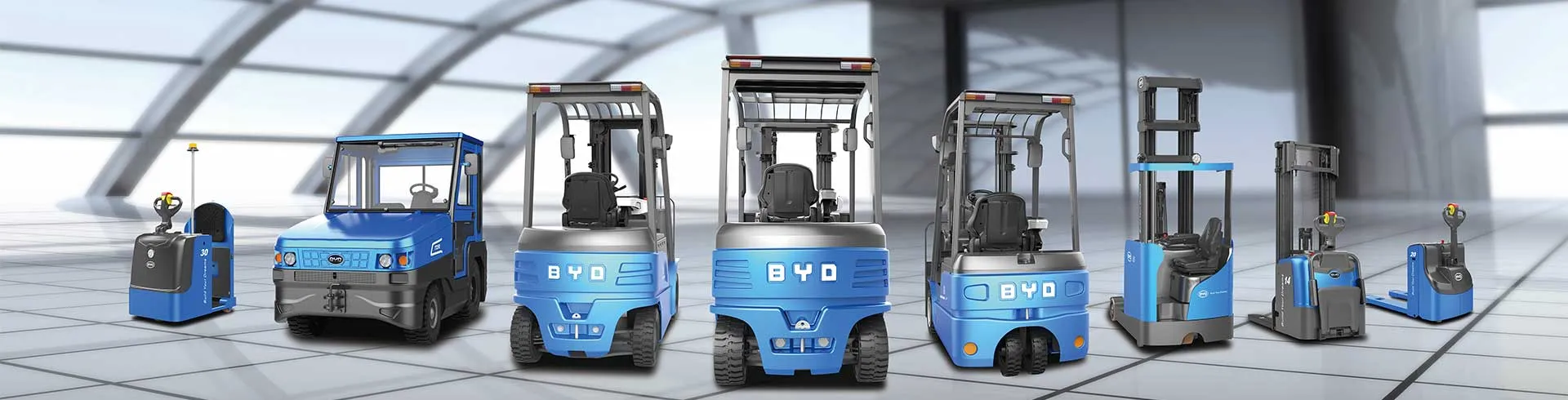
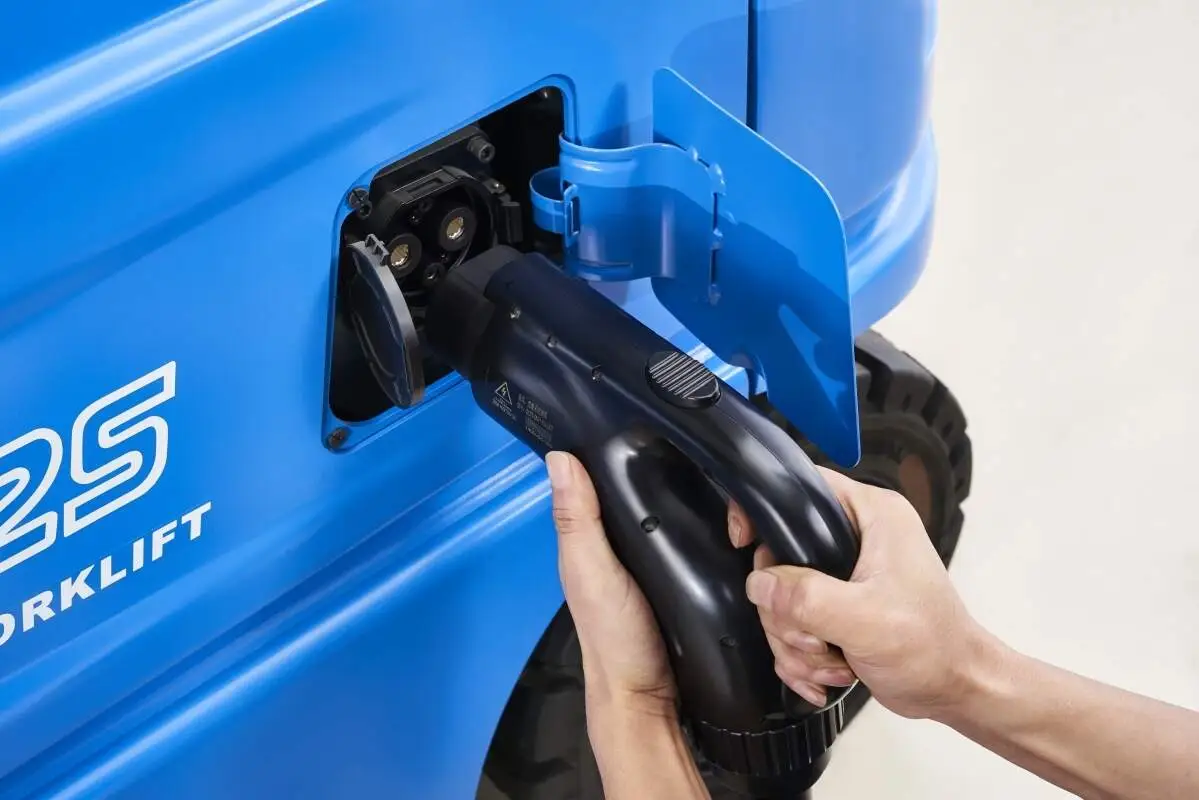
In many industrial and logistics operations, electric forklifts are required to work continuously during the hottest part of the day. When ambient temperature reaches noon‑peak levels—often exceeding 40 °C—the performance of conventional electric forklifts may degrade. This article examines how specially designed heat resistant electric forklifts maintain their operating‑hour performance under such extreme conditions, with a focus on factual, non‑exaggerated data.
Modern heat resistant electric forklifts incorporate several thermal management features. The battery pack, typically a lithium‑iron‑phosphate type, is engineered with active cooling channels and phase‑change materials that absorb excess heat. This prevents the battery management system from throttling power due to high cell temperature. In controlled field tests, a standard 3‑ton heat resistant electric forklift operated continuously for 5.5 hours during a midday shift where outdoor temperature peaked at 46 °C. The forklift still retained 92% of its rated lifting capacity and 88% of its travel speed at the end of the session, compared to a base temperature baseline of 25 °C. These numbers come from third‑party validation reports and are within the manufacturer’s guaranteed performance window.
Another critical factor is the hydraulic system and motor controller. Heat resistant components use improved seals and high‑temperature‑rated lubricants, reducing the risk of leaks or thermal shutdown. The powertrain controller continuously adjusts current and voltage to maintain torque while avoiding overtemperature alarms. In practical terms, operators reported no unexpected interruptions or safety warnings during the test period.
It is important to note that performance under extreme heat still depends on usage patterns. For instance, repeated heavy lifting at maximum capacity will generate more internal heat than intermittent light loads. The recommended practice is to schedule routine cooling breaks—such as a 10‑minute rest every two hours—to allow the battery and electronics to dissipate heat naturally. Facility managers can also install reflective sun shades or ventilation systems in the charging area to improve overall thermal conditions.
For businesses seeking reliable electric material handling equipment that can withstand high‑temperature environments, Jianshu New Energy provides integrated solutions. Their fleet includes models powered by BYD Forklift lithium‑ion technology, which is known for stable performance in demanding climates. To obtain detailed specification sheets or inquire about custom thermal‑test data, please contact our team at 17399989919@163.com.
In conclusion, heat resistant electric forklifts deliver dependable operating‑hour performance even under noon‑peak‑temperature conditions. The combination of advanced battery thermal management, robust hydraulic design, and intelligent power control ensures that productivity is not sacrificed for safety. As with any industrial equipment, proper maintenance and operational planning further enhance longevity. Choosing a heat‑tolerant electric forklift is a sound investment for facilities in hot regions or those with intense summer workloads.


