
 English
 繁体中文
繁体中文 简体中文
简体中文 Deutsch
 日本語
日本語 한국어
한국어 Tiếng Việt
 Русский
 ไทย
ไทย Bahasa Indonesia
 Bahasa Melayu
 Filipino
 لالعربية
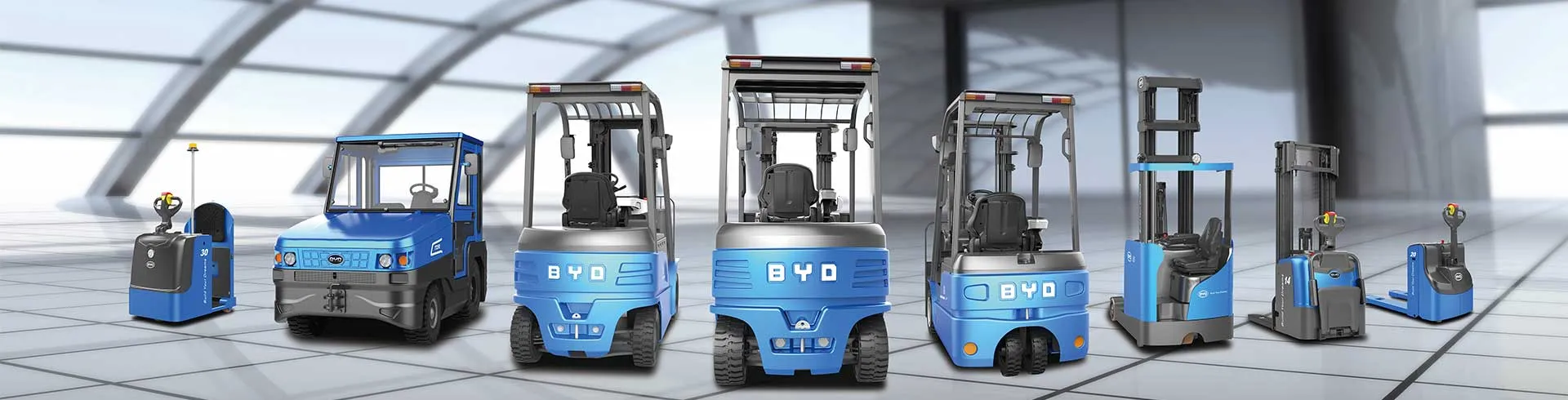
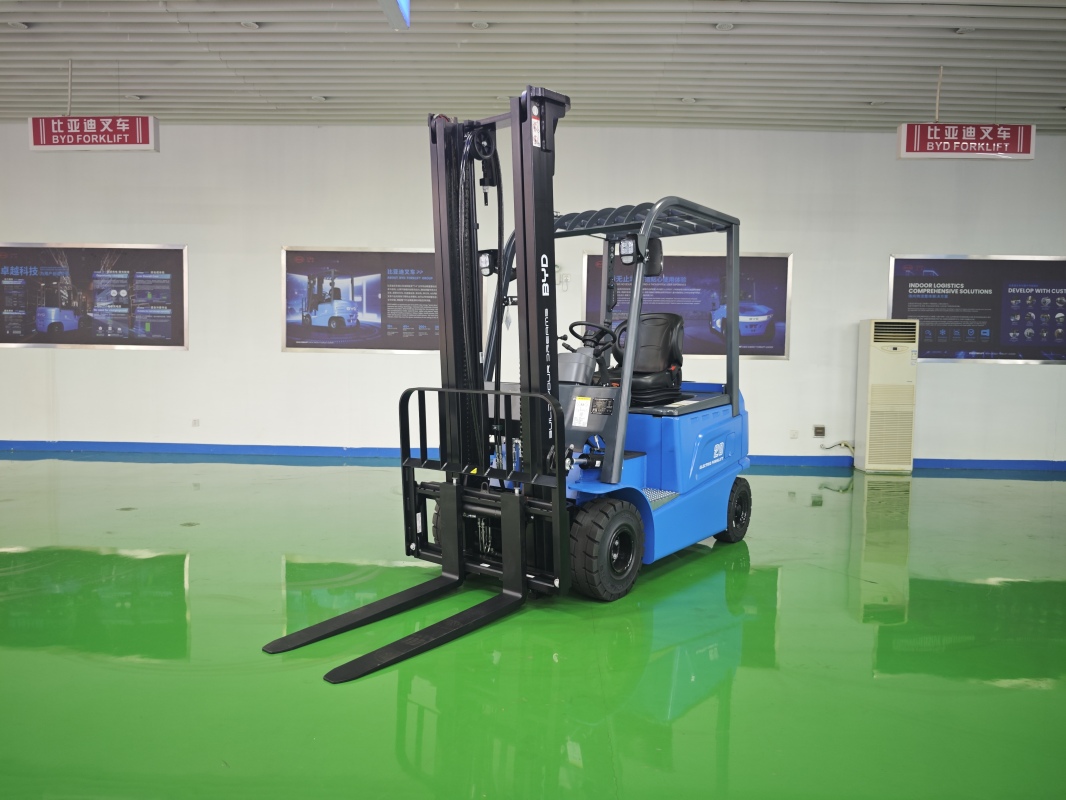
In modern warehouse logistics, electric forklifts are the backbone of material handling. However, traditional charging methods often cause scheduling conflicts, as long charging times force operators to plan around battery availability. Fast charging technology, now widely adopted in the industry, significantly changes this dynamic.
A fast charging forklift can restore 80% of battery capacity in under one hour, compared to eight hours for conventional lead‑acid batteries. This speed allows warehouse managers to implement opportunity charging during natural breaks, such as driver shift changes, lunch periods, or short idle intervals. Instead of dedicating a full battery room with spare batteries and swapping equipment, warehouses can reduce the number of batteries needed by 30%‑50%. The result is a leaner fleet and fewer operational interruptions.
For scheduling, fast charging enables continuous operation across multiple shifts. With a traditional charging setup, a forklift must be offline for the entire night shift to recharge. Fast charging eliminates this constraint: a forklift can be charged in 30‑45 minutes midday and then work through the next shift without interruption. This flexibility allows managers to assign trucks dynamically based on real‑time demand, rather than pre‑allocating them by battery status.
Additionally, fast charging supports better labor planning. Operators can change batteries or plug in during transitions, keeping the workflow smooth. The predictable charging cycle also reduces the need for backup equipment, freeing up capital for other improvements. Jianshu New Energy offers reliable fast charging solutions that integrate with existing warehouse management systems, while BYD Forklift provides high‑capacity lithium‑ion models designed for rapid turnaround. For more details, contact 17399989919@163.com.
In summary, fast charging forklifts streamline warehouse scheduling by cutting downtime, enabling flexible shift patterns, and lowering total ownership costs. When implemented correctly, they become a strategic asset for optimizing logistics operations.


