
 English
 繁体中文
繁体中文 简体中文
简体中文 Deutsch
 日本語
日本語 한국어
한국어 Tiếng Việt
 Русский
 ไทย
ไทย Bahasa Indonesia
 Bahasa Melayu
 Filipino
 لالعربية
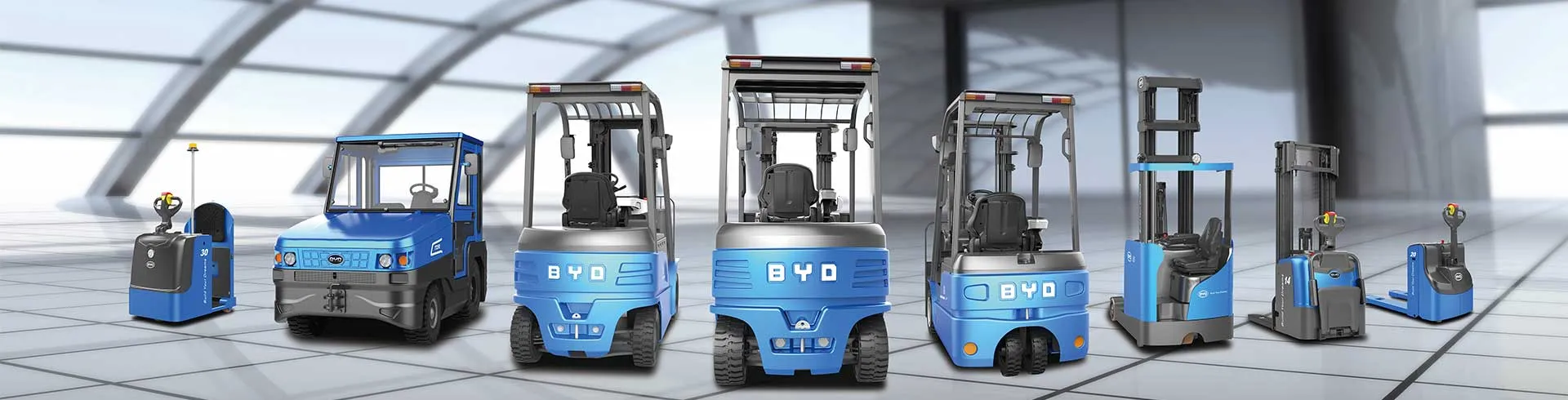
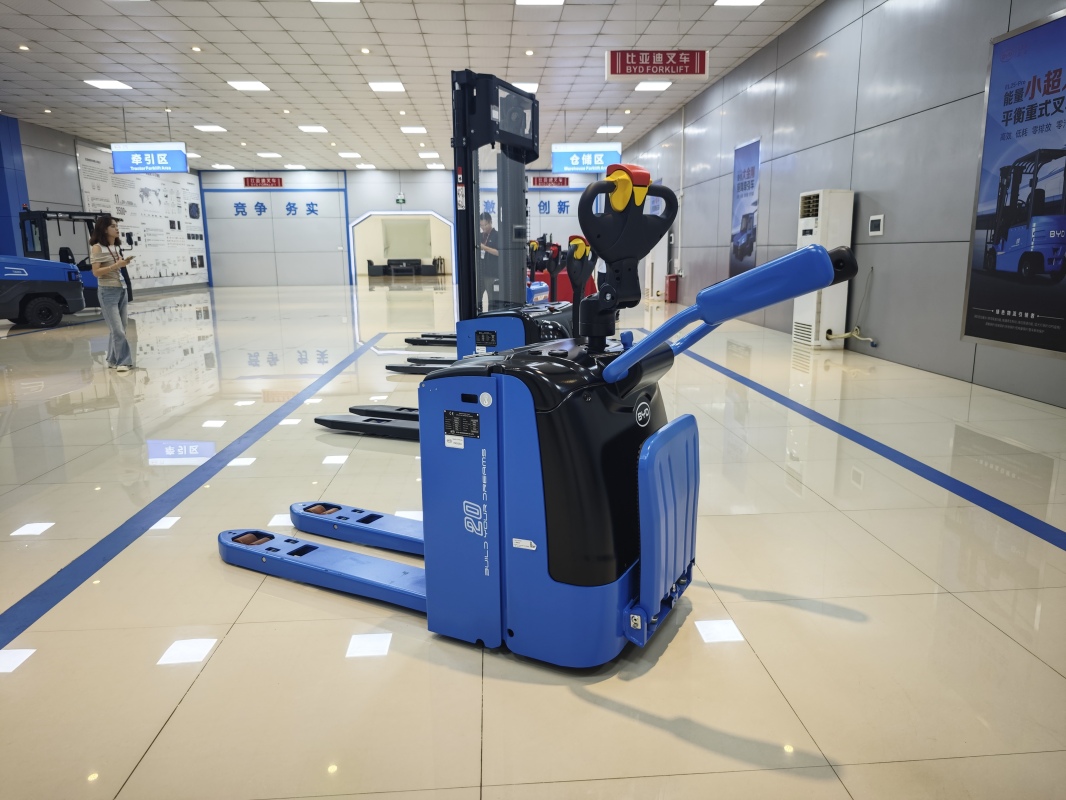
When operating outdoor electric forklifts, water exposure is a common challenge. Proper waterproof maintenance extends equipment life and ensures safe operation. This article provides a reference for after-sales service content related to waterproofing, without exaggerating claims or mentioning third-party brands.
First, regular inspection of all sealing points is essential. Service teams should check door seals, cable entry glands, and panel gaskets for wear or damage. Any compromised seal must be replaced promptly to prevent moisture ingress into electrical components. Second, the battery compartment requires special attention. After each outdoor use, especially in rain or wet conditions, technicians should dry the compartment and test the drainage system. Corrosion on terminals or connectors should be cleaned and treated with anti-rust spray.
Third, the charging system is vulnerable. Outdoor forklifts often face rain during charging. Service personnel must verify that the charging port cover seals tightly and that any accumulated water is wiped away before connection. Additionally, a quarterly deep inspection of the traction motor and controller enclosures is recommended. High-pressure water cleaning should only be done with approved covers in place.
Fourth, after-sales support should include a clear procedure for water-related incidents. If a forklift has been submerged or heavily splashed, immediate shutdown is required. The service team must conduct a full drying and evaluation before restart. Use only compressed air or low-heat drying methods; avoid direct heat sources.
Finally, documentation and training are key. Provide operators with a simple checklist for pre-use checks, focusing on visible seal condition and drain plugs. For long-term storage, advise keeping the forklift under a roof or using a waterproof cover. Jianshu New Energy emphasizes that proper after-sales guidance reduces costly repairs. BYD Forklift also supports these best practices in their service networks.
For any service inquiries or technical support, contact us at 17399989919@163.com. Always follow manufacturer guidelines and local safety regulations. This reference is intended as a starting point; adapt it to your specific equipment model and operating environment. Remember that regular, honest maintenance is more effective than any exaggerated claim.


