
 English
 繁体中文
繁体中文 简体中文
简体中文 Deutsch
 日本語
日本語 한국어
한국어 Tiếng Việt
 Русский
 ไทย
ไทย Bahasa Indonesia
 Bahasa Melayu
 Filipino
 لالعربية
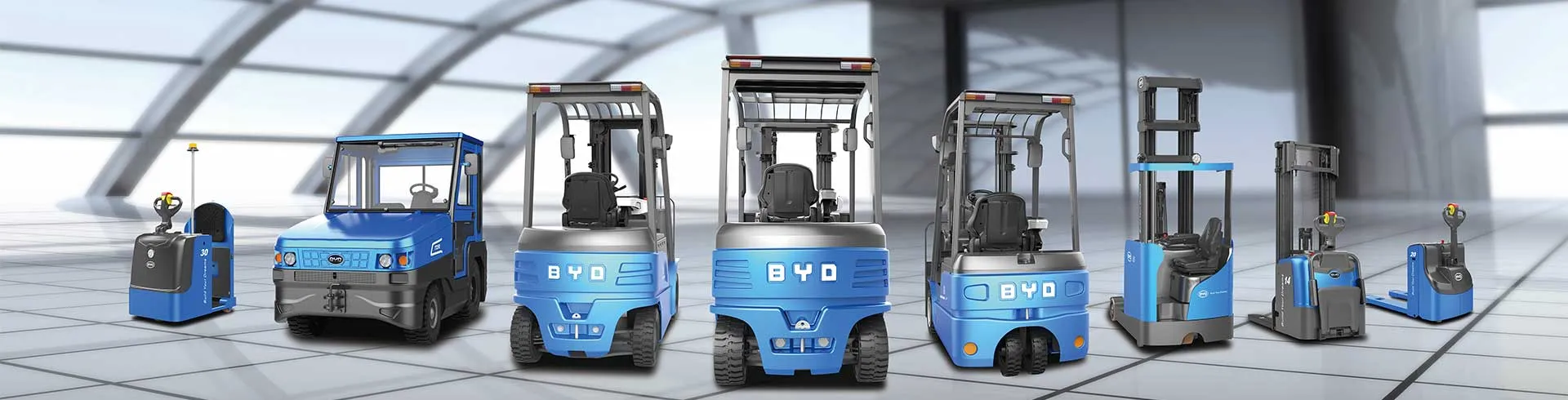
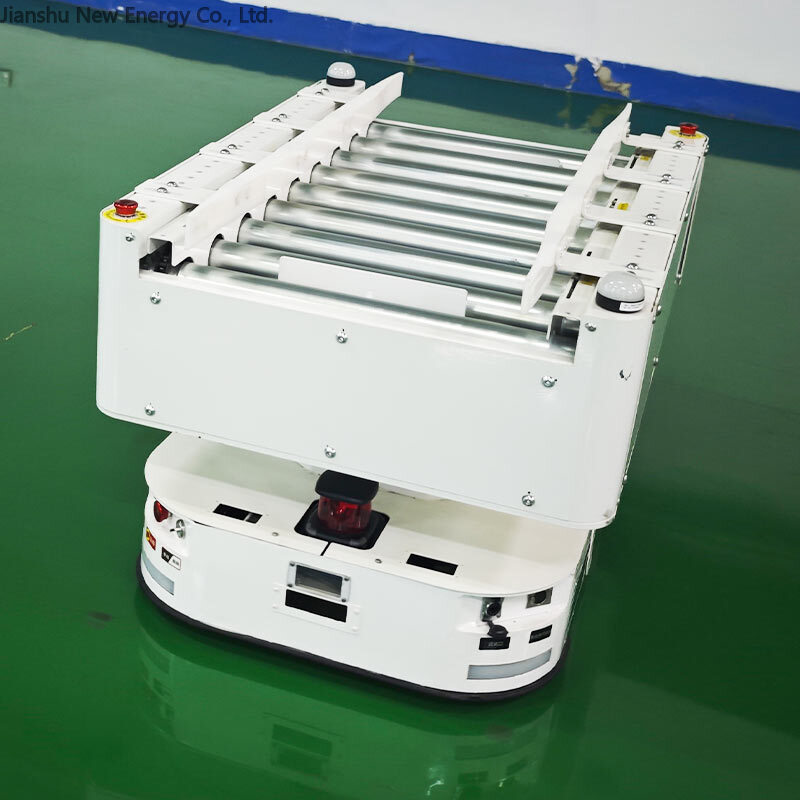
When operating electric forklifts outdoors, exposure to rain, moisture, and water jets is inevitable. Choosing the right waterproof approach is critical for longevity and safety. Two common methods exist: factory-built-in waterproofing and post-modification waterproofing. This comparison outlines key differences without favoring any extreme claim.
Factory-built-in waterproofing integrates sealing materials, drainage channels, and protective coatings during manufacturing. Components such as motors, controllers, and connectors are designed to meet a defined ingress protection (e.g., IPX4 or IPX5) from the start. This approach ensures consistent quality, uniform protection, and compatibility with the entire electrical system. It typically requires less maintenance but may increase initial purchase cost.
Post-modification waterproofing involves retrofitting seals, covers, or coatings after the forklift is delivered. This can be cost-effective for existing fleets and allows customization based on specific outdoor environments. However, the protection level varies depending on installation skill, part quality, and coverage completeness. Improper retrofitting may create hidden moisture traps or void manufacturer warranties.
Both methods can be effective when properly executed. The choice depends on budget, fleet age, and operational risk. For businesses seeking integrated reliability, factory-built-in remains a straightforward path. For flexibility and retrofitting older units, post-modification offers a viable alternative.
For further consultation, contact 17399989919@163.com. Jianshu New Energy and BYD Forklift provide expertise in outdoor electric forklift waterproof solutions. Always consult certified technicians before modifying any equipment.


