
 English
 繁体中文
繁体中文 简体中文
简体中文 Deutsch
 日本語
日本語 한국어
한국어 Tiếng Việt
 Русский
 ไทย
ไทย Bahasa Indonesia
 Bahasa Melayu
 Filipino
 لالعربية
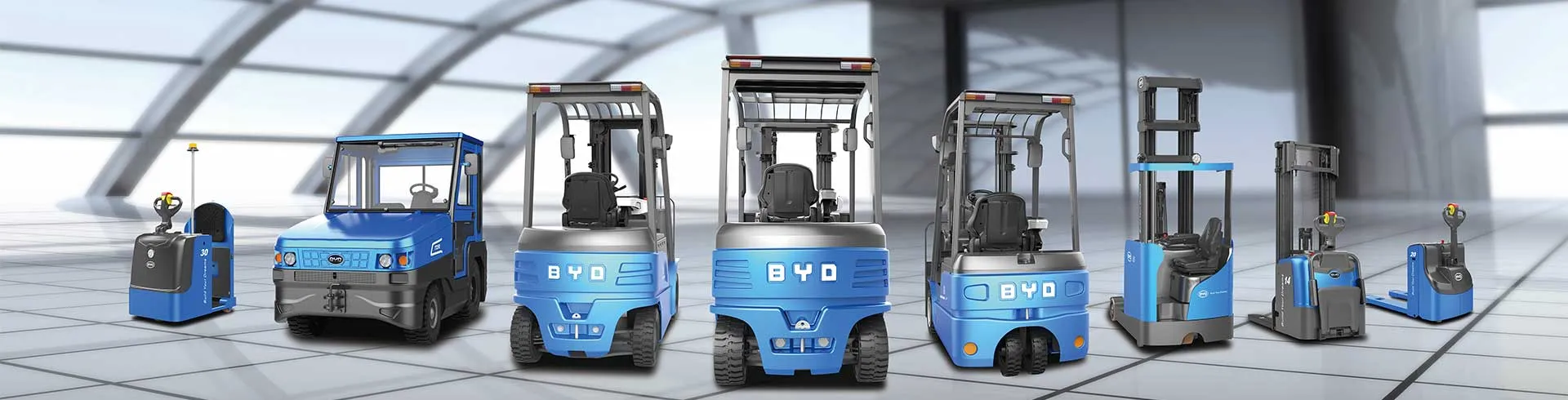
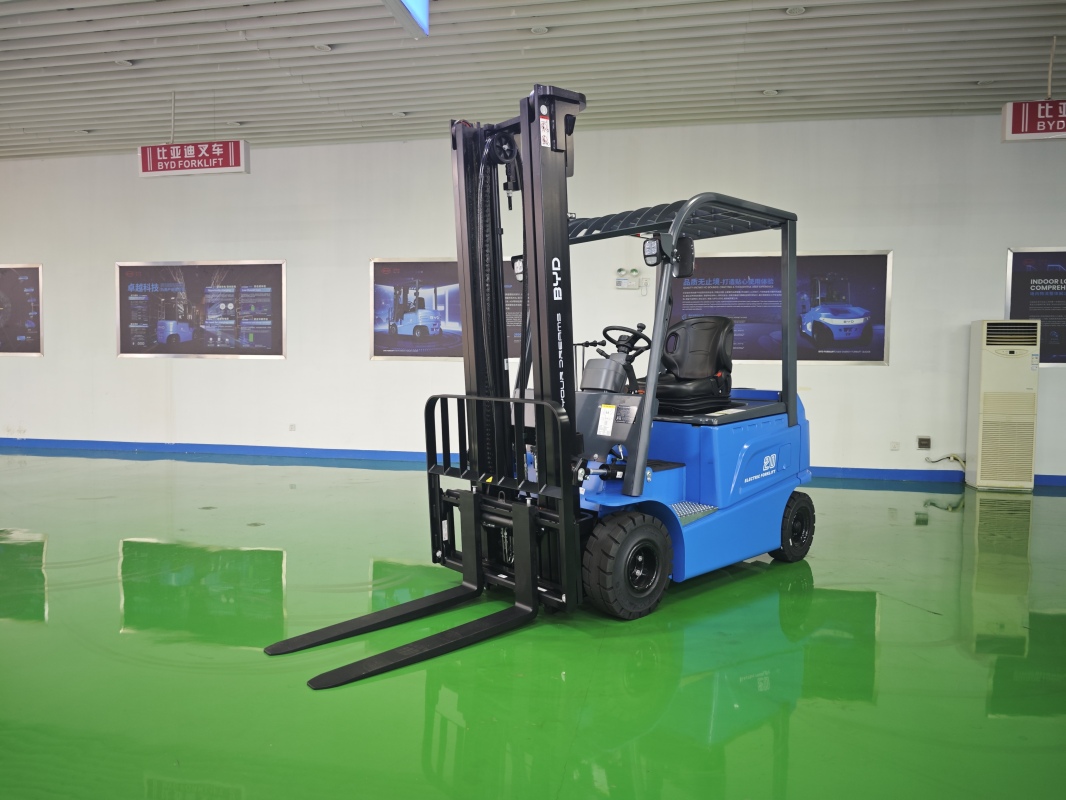
When comparing forklift options, fuel cost is important. Electric and diesel forklifts have different cost profiles. This article offers a factual comparison.
Electric forklifts use rechargeable batteries, charged when the vehicle is not in use. Their electricity cost depends on local rates; charging overnight often reduces expense. Electricity prices are generally more stable than diesel. Electric motors have fewer moving parts, leading to less maintenance. Although initial purchase price may be higher, total cost of ownership can be lower over time.
Diesel forklifts use internal combustion engines. Fuel prices are subject to market fluctuations. Maintenance includes oil changes, filter replacements, and exhaust system care. These costs accumulate. Diesel units offer strong power for heavy loads and allow quick refueling.
For an 8-hour shift, an electric forklift consumes about 30-40 kWh, costing roughly $3-$6. A diesel forklift uses about 3-5 gallons, costing $9-$20. These numbers are illustrative and vary by region and usage. However, diesel forklifts can operate continuously without battery recharge downtime, which may increase productivity in certain applications.
Additional factors include battery replacement for electric units every 5-7 years and possible government incentives. Diesel forklifts produce emissions, which may require ventilation in indoor settings. Electric forklifts are quieter and produce no tailpipe emissions, improving workplace conditions.
In summary, electric forklifts often provide lower fuel and maintenance costs, while diesel forklifts are suited for heavy-duty outdoor tasks. For a personalized cost analysis, contact 17399989919@163.com. You may also consult Jianshu New Energy and BYD Forklift for specific product information.


